

 Online Reporter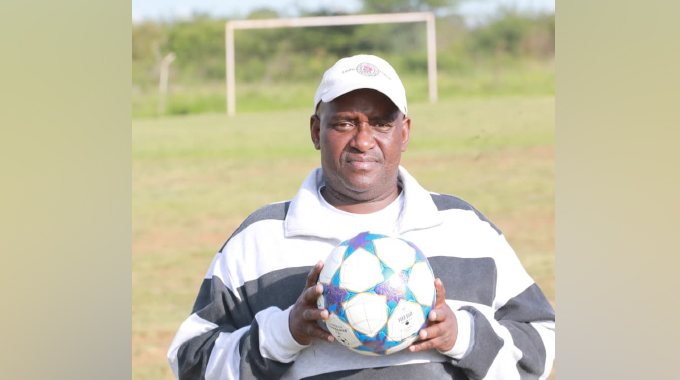
Vusumuzi Dube , Deputy Radar Editor
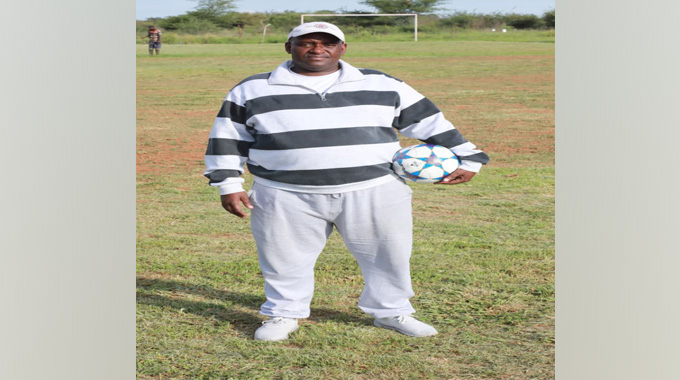
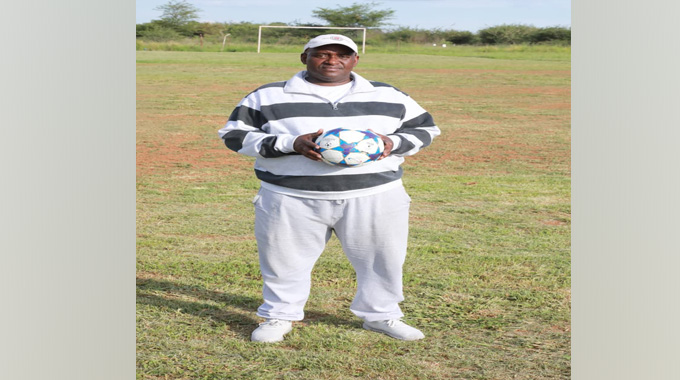
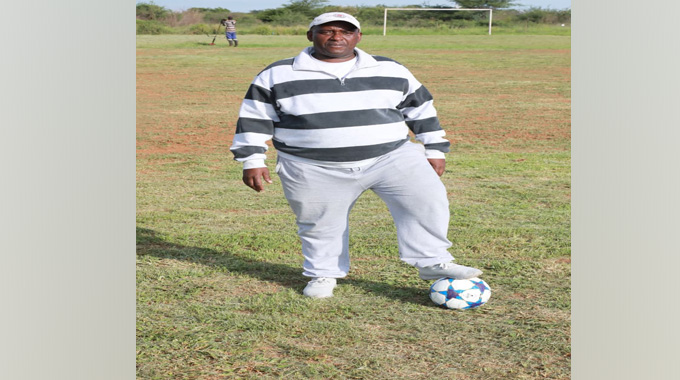
ZIMBABWE’S football landscape currently stands at a perilous juncture. Following the election of new regional leadership, the newly appointed Zimbabwe Football Association (Zifa) Southern Region chairperson, Chris Mtungwazi, has taken charge of an organisation weighed down by historical glory and modern failure. He has unflinchingly laid bare the monumental task ahead: to restore the region’s once-shining, now tragically fading, prominence.
His vision rings with clarity and ambition: to aggressively propel Southern Region football back to the glorious heights it once commanded, even as the area grapples with alarmingly dwindling representation in the Premier Soccer League (PSL) and the profoundly troubling pattern of promoted teams suffering immediate relegation after a solitary, humiliating season.
“The Southern Region has a proud history in Zimbabwean football. But currently, we have the fewest teams in the PSL, and the clubs that do make it there rarely survive beyond the first season. This is a situation that must change if we are to reclaim our rightful place in the sport,” Mtungwazi said in an interview with Saturday Chronicle last Thursday, the gravity of his words undeniable.
He did not mince words when describing the current predicament, delivering a stark assessment of the regional powerhouses.
“As it stands, even our so-called powerhouses, Highlanders and Chicken Inn were battling relegation last season. That is the stark reality that we are faced with.”
This decline, he noted, is a symptom of deeper, systemic issues, spanning everything from player development to coaching expertise, right through to resource allocation.
“Addressing these will require patience and collective effort,” he firmly added, highlighting the sheer scale of the turnaround needed.
The challenge confronting him is formidable. Over the past decade, the region has seen its once-thriving football infrastructure noticeably decline.
Numerous clubs have struggled under the triple threat of limited funding, substandard facilities, and, most critically, a conspicuous lack of clear, structured development pathways for emerging young players.
Mtungwazi duly acknowledged these systemic setbacks but immediately pivoted to emphasise a pragmatic, long-term plan firmly rooted in meticulously rebuilding from the grassroots level upwards.
“Our first priority is youth development. Being someone who came from the Zifa Area Zones I am someone who has a strict bias to development. I strongly believe football should be nurtured from the grassroots, create proper structures within our junior leagues, equip coaches with the necessary skills and provide all the required infrastructure,” the chairman declared, drawing on his own experience.
The strategy is clear: there is a critical need “to identify and nurture talent early, working closely with schools and local clubs to provide young players with the training and support they need.” Without this fundamental foundation, the regional chairperson stressed, “no club can sustain success at the top level.”
He further detailed that for junior football to genuinely prosper, there must be a continuous, year-round investment in coach development, ensuring the gaffers possess the requisite qualifications through consistent coaching clinics.
Mtungwazi spoke with evident enthusiasm about recent progress.
“I was excited that today (Thursday) I officiated at Caf D coaching clinic where we had coaches from as far as Binga, Beitbridge and Plumtree participating. I believe it is such clinics that will play a major role in developing young footballers.”
He then delivered a pivotal piece of news: “Further, our president, Mr Nqobile Magwizi led the association in signing a Memorandum of Understanding with the Ministry of Primary and Secondary Education to integrate structured football into the school system, aimed at reviving grassroots talent, develop players, train teachers as coaches, and create year-round programmes, which I believe will go a long way in changing the country’s footballing landscape.”
Beyond the technical pitch work, he also pointed to the immediate need for dramatically improved governance and the cultivation of stronger, transparent relationships among the clubs, coaches, and the wider football community.
“I know that one of the main challenges that we are faced with, is that of funding, but at the same time, we have to ask ourselves; are we selling the right product to the corporate sector, will they want to partner with us.
We have to self-introspect, such that when we go out to the corporate sector, we make sure that we are selling a product that they will want to associate with.”
He identified the crucial mechanism to unlock corporate trust. “One mechanism that we have to apply to gain the trust of the corporations is through communication, accountability and transparency.” He was emphatic that “We must work together with all stakeholders to rebuild trust and foster a culture of accountability. We also cannot rely on goodwill alone, sustainable investment is crucial to creating an environment where football can thrive.”
The chairperson heavily emphasised the strategic importance of forging robust partnerships with key stakeholders, specifically naming the Bulawayo City Council, local schools, and the sports clubs that currently own football grounds. He stressed that upgrading these facilities to acceptable standards is absolutely essential for the sustained development of the beautiful game in the region.
“By working closely with the council and institutions that manage these venues, we aim to improve the quality of pitches and training facilities. Providing teams with well-maintained grounds where they can train and play will not only enhance player performance but also raise the overall standard of football in the Southern Region.”
Turning briefly to his own history in the administrative game, Mtungwazi recounted his deep, enduring passion for football, which saw him begin his foray into administration back in 2010 when he was co-opted into the Zifa Area Zones under Bafa.
“I have always loved football, having played football from my schooling days, I played football in the Zifa Area Zones for a team called Revolution, I also played football in the social levels. I was one of the founding members of the Golden Oldies social league, then I founded my own team which competed in the Zifa Area Zones under Bafa.
“In 2010 I was co-opted into the Bafa committee, in 2014 I was elected to be the chairperson of Bafa. I have a passion for football, I have a passion for football administration being a passionate football administrator and the expectations of the region, I felt that I could contribute towards the development of football in the Southern region,” he said.
Mtungwazi expressed genuine optimism that, armed with a clear, strategic roadmap and unwavering community backing, his committee will indeed revive the region to its former glory.
“This is not a quick fix,” he admitted with candour. “But with dedication and collaboration, we can restore pride. Football belongs to everyone; players, coaches, fans and administrators. I urge all to come together and support this vision. Only together can we bring football back to the level it deserves in the Southern Region.”


What does a radar editor do?