Online Reporter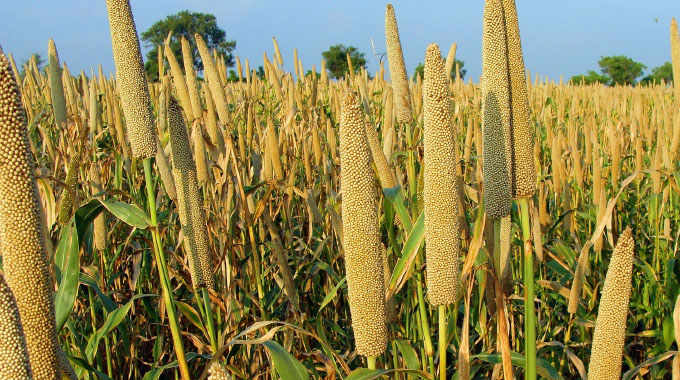
Features Writer
As Zimbabwe faces the dual challenges of climate change and a growing burden of diet-related diseases, a homegrown solution may lie in the traditional grains that once nourished generations before us—sorghum (amabele / mapfunde), millet (inyawuthi / mhunga), and rapoko (uphoko / zviyo / rukweza).
These traditional grains, long overshadowed by maize, possess qualities that could significantly enhance food security and improve public health.
Arnold Moyo, a Zimbabwean researcher who recently graduated with a Doctor of Philosophy (PhD) in marketing from Nelson Mandela University in South Africa, has developed a comprehensive model explaining consumer behaviour toward these traditional superfoods.
His study, surveying individuals across Zimbabwe’s 10 provinces, provides policymakers with a clear roadmap for reviving these climate-smart, nutrient-packed grains, thus improving the nation’s health and food security.
Moyo conducted his research with the support of professors Felix Amoah and Marle van Eyk from Nelson Mandela University.
The forgotten solution
“While maize now dominates our plates, our ancestors thrived on small grains that are drought-resistant and help prevent diseases,” explains Moyo.
“My research shows we can reverse decades of decline in the consumption of traditional foods through smart policies and public support.”
There has been a significant decline in the consumption of traditional grains, which coincided with a nutritional transition that favoured processed wheat and rice products. This change was intensified by socio-economic developments, urbanisation and the promotion of maize as the main staple, which led to reduced cultivation and consumption of sorghum, millet and rapoko.
As a result, the country grapples with escalating health issues, including a growth in the prevalence of non-communicable lifestyle diseases such as sugar diabetes, hypertension and obesity.
Moreover, Zimbabwe spends substantial sums annually importing processed foods, draining vital resources that could be invested in local agriculture.
Key findings
The study found that people’s attitudes, how positively they feel, had the biggest impact on whether they planned to buy traditional grains.
“If people think highly of these grains, they’re much more likely to want them,” explains Moyo. Price and cultural identity also played an important role. According to him, “Affordability matters, but so does the emotional and historical connection people feel toward these grains.”
Other factors, like how easy the grains are to find and what others think about buying them, had some influence too.
However, things like health concerns, advertising, nutritional value, and feeling in control of food choices didn’t matter as much.
“We were surprised to see that health worries and promotion efforts had such a small effect,” Moyo notes.
He adds: “If people knew that sorghum and millet are rich in compounds that provide a variety of health benefits, including antimicrobial, antilipidemic, anticancer, anti-inflammatory, antiproliferative and certain antidiabetic effects; they would be eating more traditional small grains.”
Overall, Moyo recommends that “marketing strategies should focus on shaping positive attitudes, keeping prices fair and emphasising the cultural value of these foods” to boost their purchase and consumption.
Four-point action plan for Zimbabwe
To unlock the potential of these grains, Moyo urges urgent and coordinated policy measures across government ministries:
· Farmer support: Strengthening extension services through the Ministry of Lands, Agriculture, Fisheries, Water and Rural Development will empower farmers to cultivate these resilient crops.
· Consumer education: Launch a nationwide “Zimbabwe’s super grains” awareness campaign led by the Ministry of Health and Child Care.
This campaign should emphasise the health benefits of traditional grains and their role in preventing diet-related diseases.
· Market incentives: Provide tax breaks and incentives for retailers who dedicate shelf space to traditional grains. The Ministry of Finance, Economic Development and Investment Promotion could play a key role in facilitating these incentives, making it easier for consumers to access these nutritious options.
· Institutional Procurement: Mandate the inclusion of traditional grain foods in school feeding programmes and army rations, for example, coordinated by the Ministry of Primary and Secondary Education or another relevant ministry. This policy will not only introduce young people to these grains but also create a consistent demand that supports local farmers.
“We urge collaboration across ministries — Agriculture to support farmers, Health to promote awareness, Education to embed grains in schools, and Finance to enable incentives,” Moyo stresses.
A call to action
“Reviving our traditional grains is not just about food; it’s about reclaiming our heritage and securing Zimbabwe’s future health and economy,” emphasises Moyo. “We invite NGOs, community leaders and private sector partners to join this movement to ensure traditional grains regain their rightful place on Zimbabwean plates.”
As climate shocks intensify and healthcare costs soar, Moyo’s research offers a rare win-win solution. “This isn’t about going backwards,” he concluded.
“It’s about combining ancestral wisdom with modern science to build a healthier, more resilient Zimbabwe.”
Arnold Moyo has since published his findings in the International Journal of Market Research, a peer reviewed and internationally recognised academic journal indexed in major databases, such as SCOPU and Web of Science.