
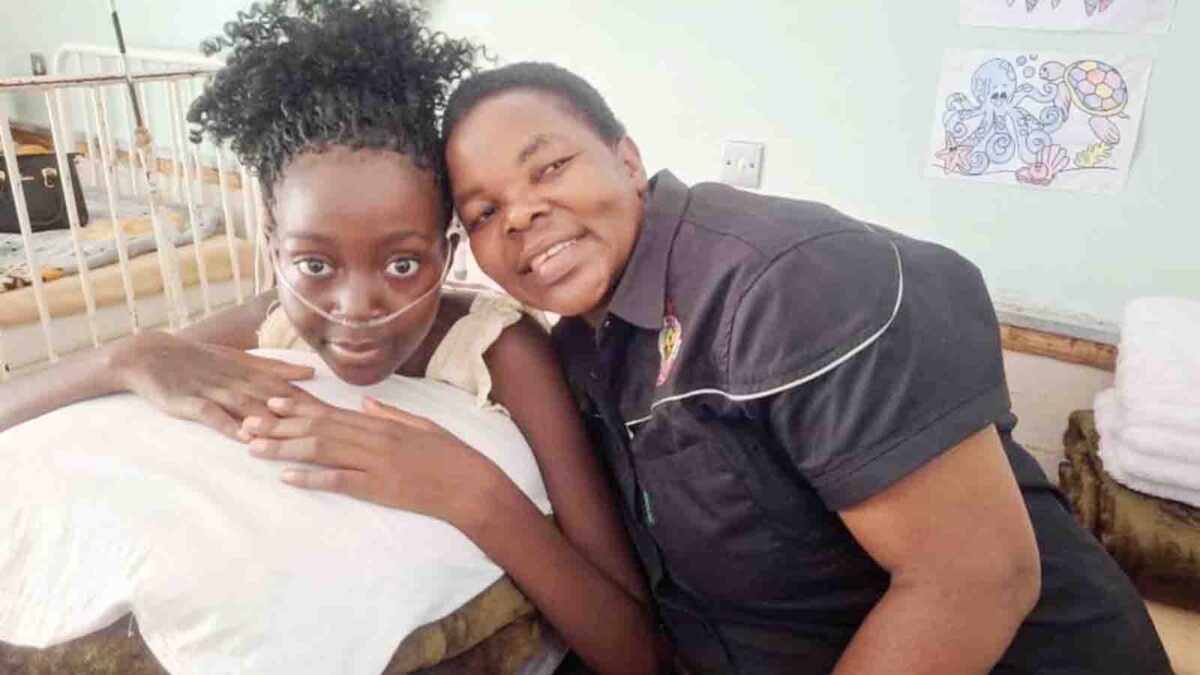
THE death of Shalom Onaja, after battling cancer, is a heartbreaking reminder of how cruelly life can sometimes treat the most innocent among us.
Losing a child at such a tender age is a tragedy no parent should ever have to endure, and the pain of saying goodbye to a young girl who fought bravely against cancer is difficult to put into words.
At just 13, Shalom should have been looking forward to the beautiful possibilities of life.
She should have been enjoying her childhood, pursuing her dreams, laughing with friends and planning for a future filled with promise.
Instead, she faced a battle against a devastating disease that ultimately claimed her life.
Her passing is a painful loss not only for her parents and family but also for everyone who followed her journey and hoped she would overcome the illness.
It is particularly heartbreaking when a young life ends before it has had the opportunity to blossom fully.
Shalom’s battle against cancer deserves to be remembered with compassion and admiration.
The word brave is often used casually but it carries special meaning when describing a child confronting a life-threatening illness.
Children should be protected from pain and suffering, yet some are forced to endure medical procedures, hospital visits and the uncertainty that comes with serious illness.
Shalom’s life must not be reduced to the disease that took it away.
She was a child with her own personality, hopes and dreams, and her memory deserves to be honoured beyond the sadness of her passing.
For her parents, however, the road ahead will be extraordinarily difficult.
Losing a child can leave a devastating emptiness in a family, and there is no timetable for grief.
The memories of Shalom’s childhood, her voice, her smile and the future her parents imagined for her may become painful reminders of what they have lost.
Her parents must give themselves permission to grieve.
They should not feel pressured to appear strong every day or to recover from their loss according to other people’s expectations.
Grief is deeply personal, and there is no single correct way to mourn a child. They should lean on trusted relatives, friends, their faith community if that brings them comfort, and professional grief counsellors where possible.
Speaking about Shalom, sharing treasured memories and allowing themselves to cry can be part of the healing process.
They should also seek additional support if grief becomes overwhelming or makes it difficult to cope with everyday life.
Importantly, Shalom’s parents should not blame themselves for her death. Cancer is a complex disease, and losing a child to it does not automatically mean that a parent failed to do enough.
They deserve compassion and support, not accusations, speculation or unsolicited judgments about the decisions they made during her illness.
Zimbabweans should also reflect on the need to strengthen cancer awareness, early diagnosis and access to appropriate treatment for children.
Families facing cancer need reliable medical information, emotional support and financial assistance where possible.