

 dyton mupawaenda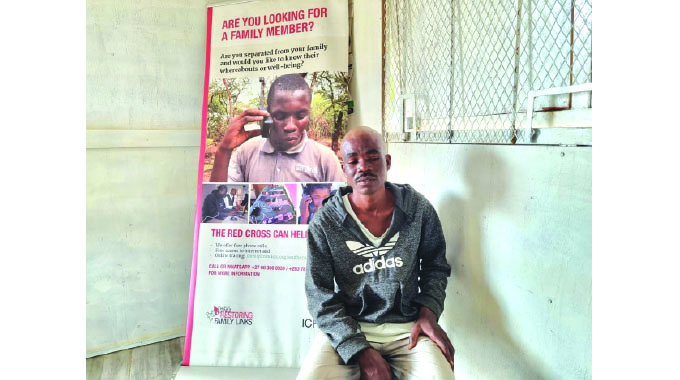
Phyllis Kachere in Beitbridge
With no food, cellphone, money, bus fare or even clothing, 36-year-old Mr Thandabantu Dumani from Plumtree says he was deported to Zimbabwe via the Beitbridge Border Post on March 11 from Lindela Holding Camp in South Africa where had been held up for the past year.
“I was arrested last year in Pretoria where I worked as a plumber because I did not have a permit to work and stay in South Africa. I have been living there since 2016 and I stayed with my wife and three children. After my arrest, I was eventually sent to Lindela, awaiting deportation to Zimbabwe. My wife and children are still in Pretoria, definitely struggling to make ends meet because I was my family’s bread winner.
“Hopeless on how I would get in touch with my wife in Pretoria and other family members in Zimbabwe to let them know that I have finally been deported to Zimbabwe, another deportee whom I share a sleeping spot with here in Beitbridge alerted me of the existence of a facility run by the Zimbabwe Red Cross Society.
“He took me to the Red Cross office where I was allowed to make phone calls to my wife and brother. I failed to get through to my wife and I eventually called a workmate whom I asked to check on her.
“When he later returned my call, he told me my wife had sold her handset to buy food for our children. I have asked for bus fare from my brother but he says I need to wait until month end when he gets paid. I can’t wait that long,” said Mr Dumani.
Mr Dumani is now roaming homeless in Beitbridge, waiting for his brother to send him bus fare so that he can try his luck and go back to Pretoria.
Mr Dumani’s story is similar to Mr Mzwake Moyo, originally from Entumbane in Bulawayo but was arrested in Johannesburg where he worked as a motor mechanic and deported a fortnight ago.
“When I was arrested I had my passport on me, but I did not have a valid permit. Police confiscated my cellphone and they never gave it back. I was sent to Lindela where I stayed for one month and two weeks before I was deported a fortnight ago.
“I had no means to contact my family and let them know I have been deported and now stranded in Beitbridge as I do not have a phone, money or food. I am glad when I came to the Red Cross, some volunteers here allowed me to make phone calls to my brother who has promised to send me bus fare so I can go home.
“I left all my belongings in Johannesburg where I worked as a motor mechanic. I left home in Bulawayo 2013 with my elder brother for Johannesburg. I visited Bulawayo once in a year or two. When my brother sends me money through the Red Cross volunteers, I will go home and then try again to go to Johannesburg to get my belongings,” said Mr Moyo.
Zimbabwe Red Cross Society (ZRCS) secretary general Mr Elias Hwenga said his organisation was implementing Restoring Family Links (RFL), a programme with technical and financial support from the International Committee of the Red Cross (ICRC).
“This programme aims to prevent the separation of families, facilitate the restoration and maintenance of family connections, reunite families, and shed light on the fate of missing persons. The programme operates in various regions, including Beitbridge, Tongogara Refugee Camp, and Harare.
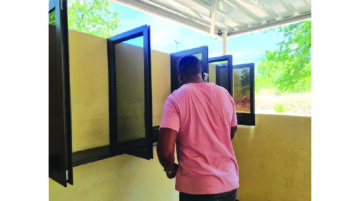
An undocumented migrant makes a phone call courtesy of the Restoring Family Links in Beitbridge.
“In addition to the RFL programme, in 2021, the ZRCS, in collaboration with the ICRC, launched the Red Safe project. This initiative complements the traditional RFL services by providing migrants with access to timely and reliable humanitarian assistance information. The Red Safe application also enables individuals to securely store digital copies of important documents and maintain contact details, thereby mitigating the risk of disappearances and family separations,” said Mr Hwenga.
He said due to dwindling financial support as available resources are outweighed by competing humanitarian needs, there was a reduction in the number of volunteers manning the different RFL sites.
“However, the need for services continues to be high. Therefore, the ZRCS began implementing the GSM phone innovation in February 2024 at the Beitbridge reception centre, where an average of 500 deportees are received weekly from South Africa. This has been done to ease the pressure on one volunteer (at a time) who is serving the deportees by providing phone calls, phone charging, facial tracing, among other vital RFL services,” he said.
A ZRCS volunteer based in Beitbridge, Mr Ndabezinhle Ncube, said when they receive the, they provide free wi-fi, phone charging facilities, free phone calls to unaccompanied minors and adults, and other services, their major challenges include dealing with vulnerable migrants who have no food, are sick and have no money for transportation.
“The sick can be referred to Beitbridge District Hospital but in most cases, the migrants are too sick to walk the distance to the hospital. There was an organisation that used to provide medical care at the Reception Centre, but they have since stopped. Some migrants arrive at the reception hungry and weak,” said Mr Ncube.
Another volunteer Mr Samuel Makasani Ngulube said they often receive feedback from relatives of those migrants whom they would have linked up with.
“Sometimes we also do family tracing for mentally-challenged migrants we receive at the reception centre. It is quite challenging as you have no information to start from. But perseverance pays, we always get results.
“The other challenge for us is when we receive female migrants who need sanitary hygiene kits. We don’t provide these kits, but practically we should have them,” he said.
Mr Hwenga said: “RFL services extend beyond just adult deportees to include other vulnerable groups whose protection is vital. These include unaccompanied minors who are suspected to be smuggled into South Africa. These vulnerable minors are in dire need of support and assistance.
“In December 2023, the ZRCS, in collaboration with the Ministry of Public Service, Labour and Social Welfare (MoPSLSW), facilitated the reconnection of a total of 43 minors with their parents or guardians through the phone call service. This vital initiative not only helps reunite families but also provides crucial care and protection for these vulnerable children.”



 Online Reporter