Online Reporter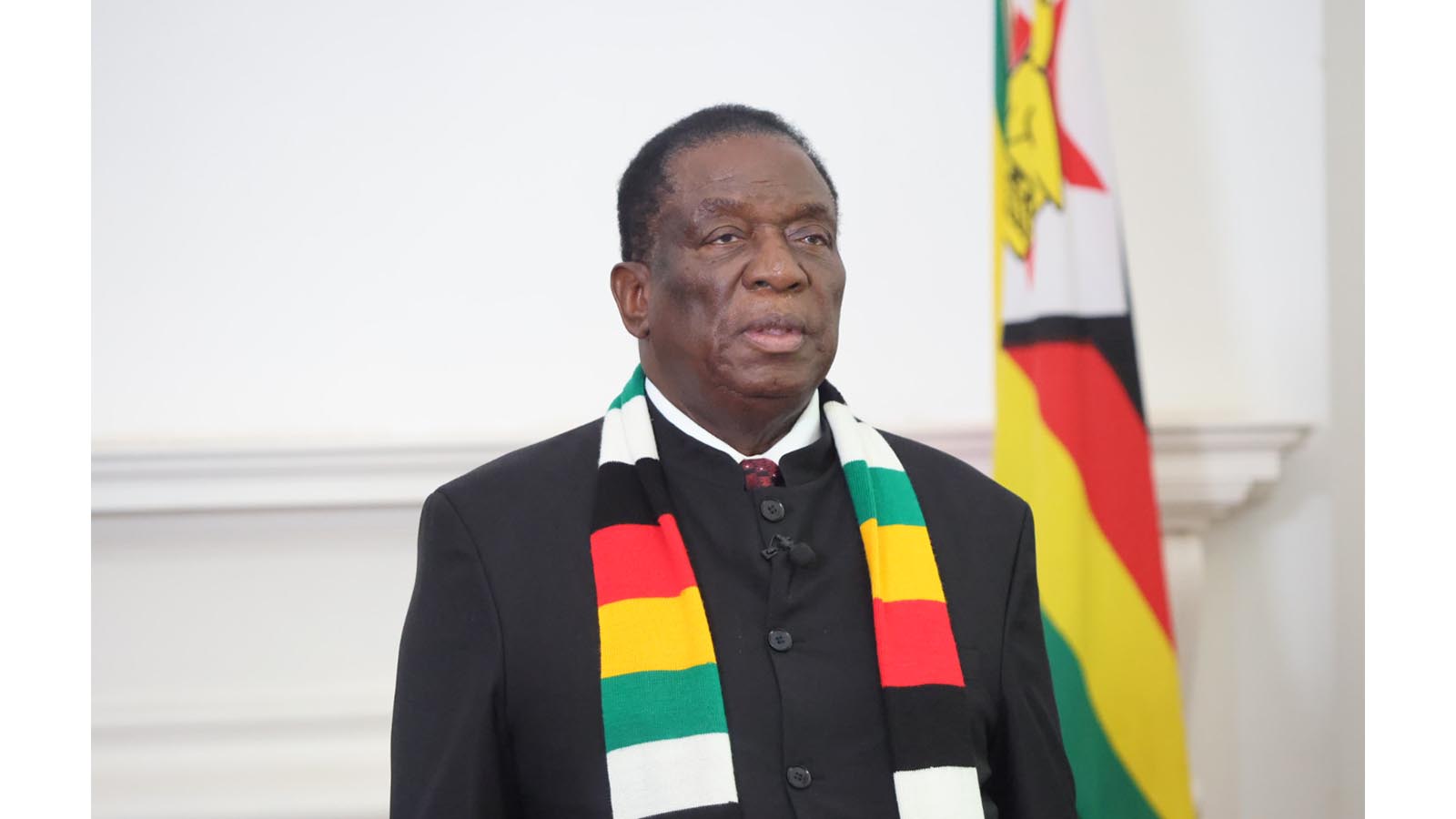
Retirement should not be regarded as the end of a productive life, but as a new phase in which accumulated skills, experience and resources can continue contributing to families, communities and the wider economy.
President Mnangagwa’s call, which he made yesterday for Zimbabweans to rethink retirement, could therefore not have come at a more appropriate time.
Speaking at the third Public Service Commission Retirement Conference in Mutare, he rightly emphasised that securing a dignified retirement begins long before an employee leaves the workplace.
The Government deserves credit for taking the lead among employers by embedding retirement planning into public-sector human capital development. The establishment of the Public Service
Pension Fund and progress on the State Service Pensions Bill demonstrate an effort to move beyond simply paying pensions towards building a more sustainable and transparent retirement system.
The emphasis on financial literacy, savings, investment, home ownership, estate planning, health and wellness, entrepreneurship and income diversification is particularly important.
A pension alone may not provide sufficient protection against inflation, rising healthcare costs and changing family circumstances. Workers who begin planning early have more time to build assets, accumulate savings and develop alternative sources of income.
For all of us, this has implications beyond individual welfare. Well-managed pension funds can mobilise long-term capital for productive investment, including infrastructure and other projects that support economic growth.
Retirees who remain economically active can also mentor younger workers, establish businesses and transfer valuable institutional knowledge.
The private sector should now take a cue from Government. Companies should not wait until employees are approaching retirement before discussing pensions and financial preparedness.
Retirement planning should become an integral part of employee welfare and human-resource strategies, supported by financial-literacy programmes, wellness initiatives and access to credible investment advice.
Employers should also encourage workers to diversify their sources of income and acquire productive assets during their working years.
Such measures can reduce the financial shock associated with retirement while creating a workforce better prepared for life beyond formal employment.
Government, meanwhile, must ensure that pension reforms translate into tangible improvements for beneficiaries.
Strong regulation, transparent fund management, sound investment practices and accountability will be essential to maintaining public confidence in the pension system.
The retirement conference provides an opportunity to shift the national conversation from preparing for retirement at the end of one’s career to planning for it throughout one’s working life.
Government has taken an important first step. The private sector should emulate that leadership.
A dignified retirement is neither a privilege nor an afterthought. It is the product of decisions made over many years, and Zimbabwean employers and workers alike must begin making those decisions early.