Peter Matika [email protected]
THE Government has intensified efforts to ensure children returning from South Africa are seamlessly integrated into Zimbabwe’s education system, with schools being directed to accommodate learners without allowing relocation to disrupt their studies.
In Bulawayo, families are already benefitting from the countrywide intervention, as Government departments work together to secure school places and provide support to children adjusting to a new learning environment.
The initiative comes as increasing numbers of Zimbabweans return home following the displacement of foreign nationals in parts of South Africa following recent xenophobic attacks by vigilante groups in the neighbouring country.
As of last Sunday, a total of 112 863 self-repatriations had been recorded at Beitbridge Border Post, with 42 339 assisted by Government, bringing the overall number of recorded repatriations from South Africa via Beitbridge to 155 264.
The Government is moving to ensure that returning families can access essential services and rebuild their lives.
President Mnangagwa last month directed schools across the country to accommodate children returning with their families, while also directing the Civil Registry Department to prioritise returnees requiring identity documents.
The measures are part of a broader Government response aimed at ensuring that the return of citizens does not result in disruptions to education, documentation and other essential services.
In Bulawayo, several children who were previously attending schools in South Africa have already been enrolled in local schools.
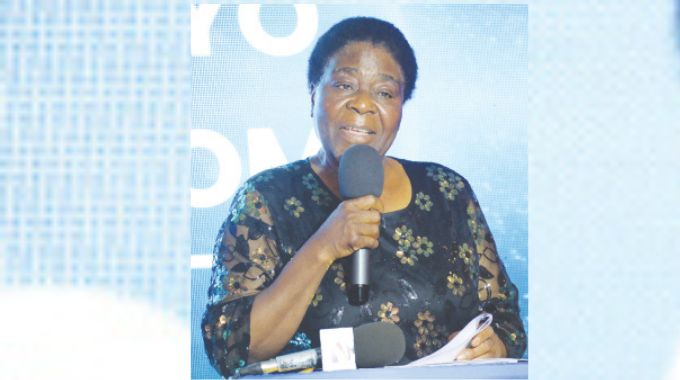
Minister of State for Bulawayo Provincial Affairs and Devolution Judith Ncube said the reintegration programme was not simply about receiving returnees, but restoring stability and dignity to families as they resettle.
“Government has ensured that these children can access education. We have the Ministry of Primary and Secondary Education working together with the Department of Social Welfare and other Government departments to make sure that the children are placed in schools and that their needs are attended to,” she said.
Minister Ncube said Government was determined to protect the constitutional right to education and ensure that no learner lost valuable learning time because of circumstances beyond their control.
“We do not want any child to lose valuable learning time because of circumstances beyond their control. Education remains a fundamental right and Government is committed to making sure that every returning learner finds a place in our schools,” she said.
The minister said authorities were also conscious of the need to protect returning children from stigma and unnecessary public attention.
“We must also respect their privacy. These are children, and they should not be made to feel different because they have returned from South Africa. Our responsibility is to make sure that they settle, continue with their education and feel at home,” she said.
The reintegration programme brings together the Ministry of Primary and Secondary Education, the Department of Social Welfare and other Government departments to identify vulnerable families and provide assistance where necessary.
“This is about making sure that the children are not disadvantaged. They have a right to education, and we have a responsibility to make sure that they continue learning. We have put mechanisms in place to assist them to integrate into our curriculum and into the school environment,” said Minister Ncube.
The intervention follows a Cabinet directive issued in June that all schools should absorb children of returning Zimbabweans within their respective catchment areas.
In his recent post-Cabinet briefing, the Minister of Information, Publicity and Broadcasting Services, Dr Zhemu Soda, said no child should be denied access to education because of relocation.
However, the integration programme presents schools with the task of accommodating learners who may have been following different curricula in South Africa.
Education authorities have therefore directed schools to assess returning learners and place them at appropriate educational levels, while providing additional academic support where necessary.
Permanent Secretary in the Ministry of Primary and Secondary Education Mr Moses Mhike previously said the integration process was progressing smoothly, with Government working to ensure that schools had the resources and personnel needed to accommodate additional learners.
The programme is also being implemented as Zimbabwe continues to strengthen its Heritage-Based Education curriculum, which places emphasis on practical skills while grounding learning in the country’s history, culture, languages and national development aspirations.