Online Reporter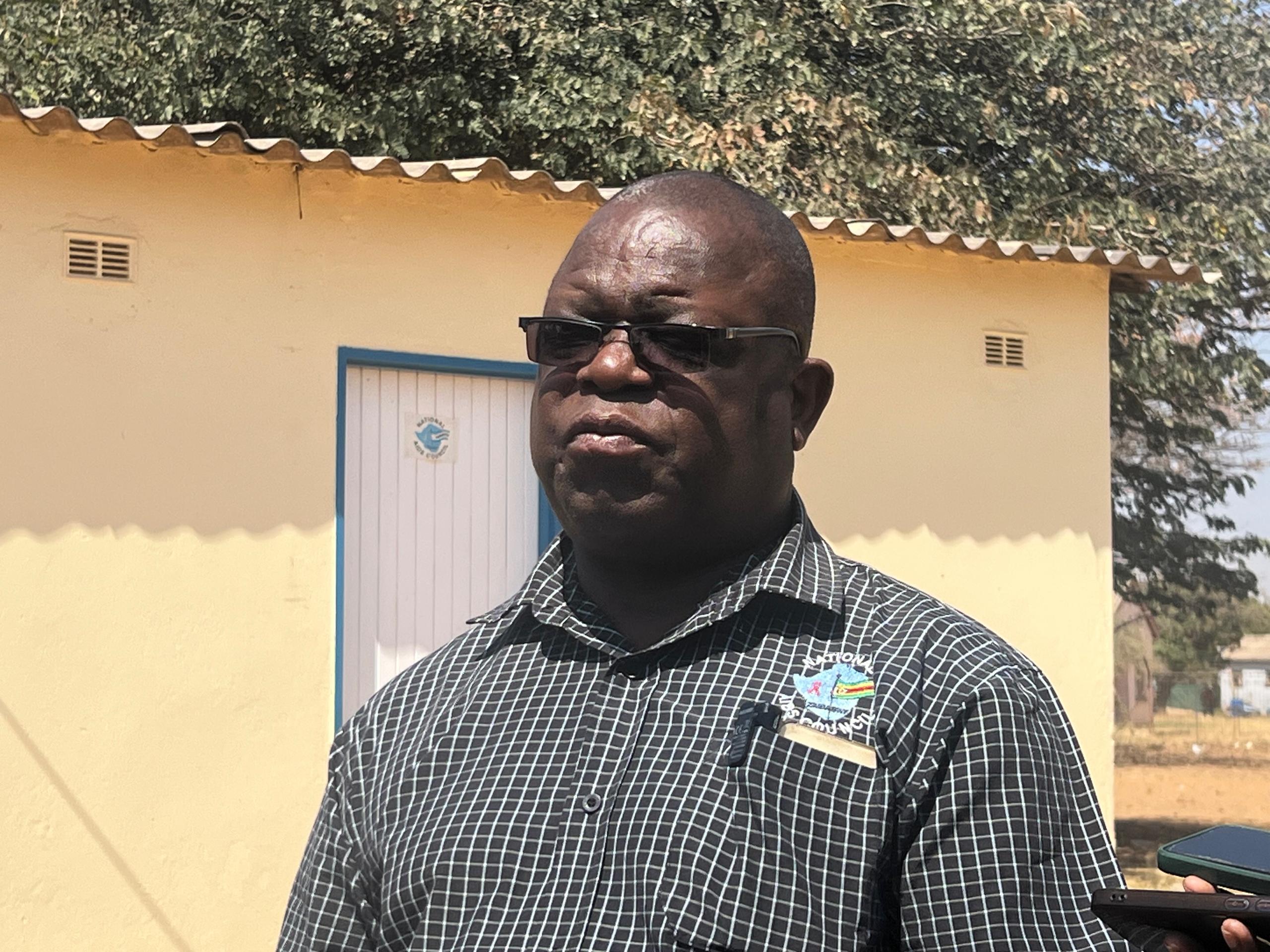
Sukulwenkosi Dube-Matutu
AREAS in Gokwe South District that have a high population of Zimbabweans working in South Africa, have high cases of new HIV and AIDS and Sexually Transmitted Infections (STIs) as the men are not willing to get tested when they visit home.
Speaking during a National AIDS Council (NAC) media tour in Midlands Province, Gokwe South District AIDS Coordinator, Mr Isaki Chiwara, said small-scale mining areas also have high STI infection rates.
Other areas which are HIV hotspots in the district include areas of trade, such as fruit and vegetable markets, among others. He said spousal separation puts people at risk of being infected.
“We have areas like Manoti, Mateta 2 and Mkoka, which have a high population of injiva and when they come home, they refuse to get tested and we are getting reports from health care workers that a lot of infections are happening in those areas.
“Among the economic activities we have in the district is small-scale mining and these areas have been identified as hotspot areas. Health facilities in some of these mining areas have indicated that they are failing to cope with the number of new STIs that are being recorded in Ward 24 and 25 areas,” he said.
Mr Chiwara said as part of efforts to reach out to people in the hotspot areas, various initiatives have been rolled out, among them, the peer educators programme targeting small-scale miners.
He said nine peer educators are working in mining areas where they share HIV related information.
Mr Chiwara said the male engagement programme is also assisting in increasing knowledge on HIV issues among men and communities. He said the engagement platforms also tackle gender based violence issues.
Mr Chiwara said engagements are also held that target diasporans when they come home.
He said several partners have come in to assist in the fight against HIV and AIDS. These include Government ministries and Non-Governmental Organisations.
“We also have cross-cutting activities such as awareness campaigns and some of them are initiated by chiefs. The chiefs call the people for a meeting and we go there as Nac and other partners and we educate the people,” he said.
The district has a population of 350 000 and approximately 10 percent of the population is in the urban settlement. The district has 39 wards, six in the urban areas and 33 in the rural areas.
The district has the second-lowest HIV prevalence rate in Midlands Province with 9,2 percent for the 15 to 49 year age group. The prevalence for the rest of the province is at 5,9 percent, second after Gokwe North.
@DubeMatutu