Chronicle Editor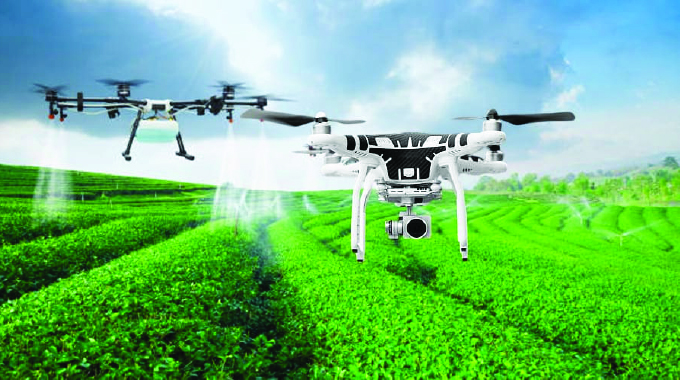
Njabulo Nkomo, [email protected]
AGRICULTURE is an ever-evolving landscape so it is not surprising that a remarkable technological advancement has taken root — the use of drones. These unmanned aerial wonders have ushered in a new era of possibilities, propelling the agricultural sector to greater heights with their versatile applications.
From farm pegging to pest control, drones have swiftly become an indispensable tool in the hands of farmers nationwide. With the ability to access once-inaccessible areas, they have dramatically improved efficiency and productivity on the farms, revolutionising traditional farming practices.
Winstone Babbage, a representative from the Zimbabwe Commercial Farmers’ Union spoke enthusiastically about the integration of drones into farming operations.
“Drones have now been used to monitor livestock, farm surveillance and spraying of herbicides. Drones and GPS technology are now critical components in the farm boundary pegging to expedite issuance of 99-year leases and resolve boundary disputes,” he said.
While drone technology is becoming a game-changer, it is important to acknowledge that it is still somewhat restricted to farmers with sufficient financial means to acquire the necessary equipment.
Nevertheless, its potential impact on increasing crop production and reducing manual labour is undeniable.
Before the advent of drones and GPS technology, surveyors relied on conventional methods such as dumpy levels, tape measuring and beacon placements to measure and peg farmlands.
The arrival of drones has streamlined these processes making them faster and more accurate.
“Surveyor General was using dumpy levels and humans’ holdings beacon, tape measuring and even used the calibration of speedometer in the motor vehicle,” he said.
The Government has recognised the transformative power of drones in agriculture and has invested in their procurement to boost productivity and drive digitalisation in the economy.
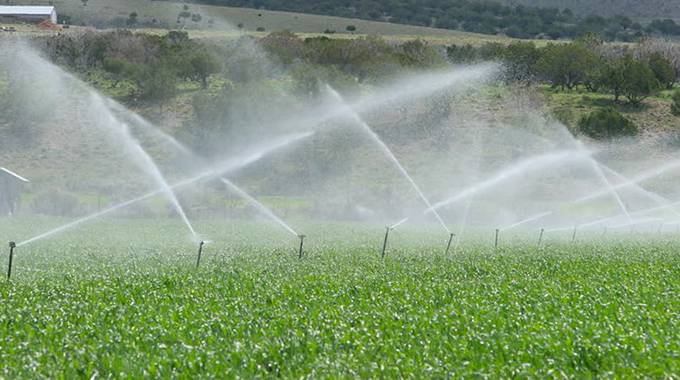
As the drones take to the skies, they have significantly increased the efficiency of spraying chemicals and collecting essential data, benefiting both large and small-scale farmers.
The rise of drone technology has unlocked new doors for precision agriculture, ensuring optimal resource utilisation in the face of climate-related challenges.
Embracing this technological marvel enables farmers to maximise their yields while making the most of every available resource.
Looking forward, drones are poised to become an ubiquitous presence in the agricultural landscape, proving their worth on a grand scale. As the Government advocates for their widespread use, farmers are eagerly adopting this technology to thrive in a rapidly changing world.


 Online Reporter