

 admin
admin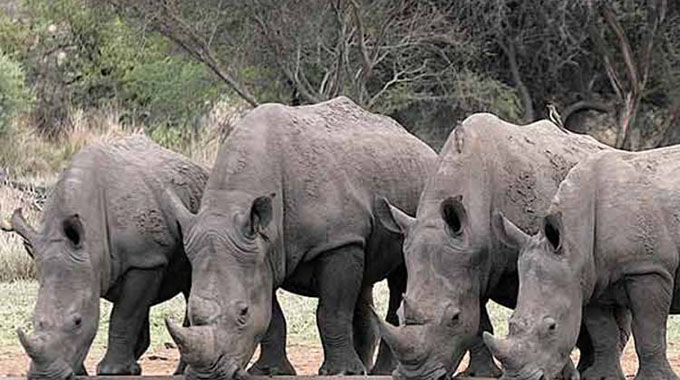
Sifelani Tsiko Agric, Environment & Innovations Editor
The poaching rates of the African rhinos have fallen by 2,3 percent as at 2021 compared to 2015 when killings hit a peak of 5,3 percent of the species population, according to a new report by the specialist groups for the International Union for Conservation of Nature (IUCN) and conservation organisation Traffic.
However, experts warned that the species population is still being illegally hunted, threatening their survival.
“The overall decline in poaching of rhinos is encouraging, yet this remains an acute threat to the survival of these iconic animals,” said Sam Ferreira, a senior official with the IUCN SSC African Rhino Specialist Group. “To support the growth of rhino numbers, it is essential to continue active population management and anti-poaching activities for all subspecies across different range states.”
The latest report tracked the changes in populations from 2018 to 2021.
Researchers say nine in 10 poaching crimes were in South Africa – mostly of white rhinos in Kruger National Park which holds the world’s largest population of white rhino.
The white rhino is on the IUCN red list of threatened species.
African range states recorded a total of 2 707 illegal killings of rhino between 2018 to 2021.
South Africa continues to face the greatest threat with about 90 percent of the species losses.
Range states also reported 1 588 rhino-related arrests from 2018 to 2021, together with 751 prosecutions and 300 convictions.
Animal experts attributed the decline in poaching rates to restrictions on movement and travel during 2020 as result of the COVID-19 pandemic.
Restrictions on movement hampered horn trafficking networks on all four of the major rhino range states – South Africa, Namibia, Zimbabwe and Kenya resulting in lower poaching rates.
A bright spark on the conservation front was the marginal rise of the critically endangered black rhino population – which increased at a rate of 3 percent per annum to 6 200 animals between 2018 and 2021.
However, the white rhino numbers have continued to decline at around 3.1 percent per year and numbered just below 16,000 animals at the end of 2021.
The total estimate of rhinos in Africa was 22 137 rhinos at the end of 2021. These latest figures show an overall decline in rhino numbers on the continent, from 23 562 at the last report in 2017.
“The news about increased black rhino numbers is encouraging, as it underscores the value of creating new habitat and growing numbers of rhinos and the need to continue to commit to these efforts in future,” said Dr Jo Shaw of the Africa Rhino Lead, WWF.
“We must support the partnerships required between state agencies, local communities and the private sector to secure future range for rhinos and work towards broader conservation benefits to wildlife and people.
“The Kigali Call for Action for People and Nature from the recent African Protected Areas Congress emphasized the importance of the role of local communities in the future of biodiversity conservation in Africa.”
Said Dr Margaret Kinnaird, Wildlife Practice Leader at WWF: “Transnational organised crime networks and the corruption they create continue to threaten rhinos. These networks are a risk to the safety and security of wildlife, and the people living around them and those working to conserve them.
“We know these challenges are global in nature and transnational collaboration and co-operation is required to overcome them, such as has been proven through multi-agency wildlife crime units. We must continue targeted efforts to build resilience to corruption, and to address the problem at the source in the form of illegal demand for rhino horn.”
Findings on the global status of rhinos have been submitted to the Convention on International Trade in Endangered Species of Wild Fauna and Flora (CITES) ahead of the 19th Conference of Parties (CoP19), which will take place in Panama in November 2022.



 daniel chigunwe
 Online Reporter