

 Online Reporter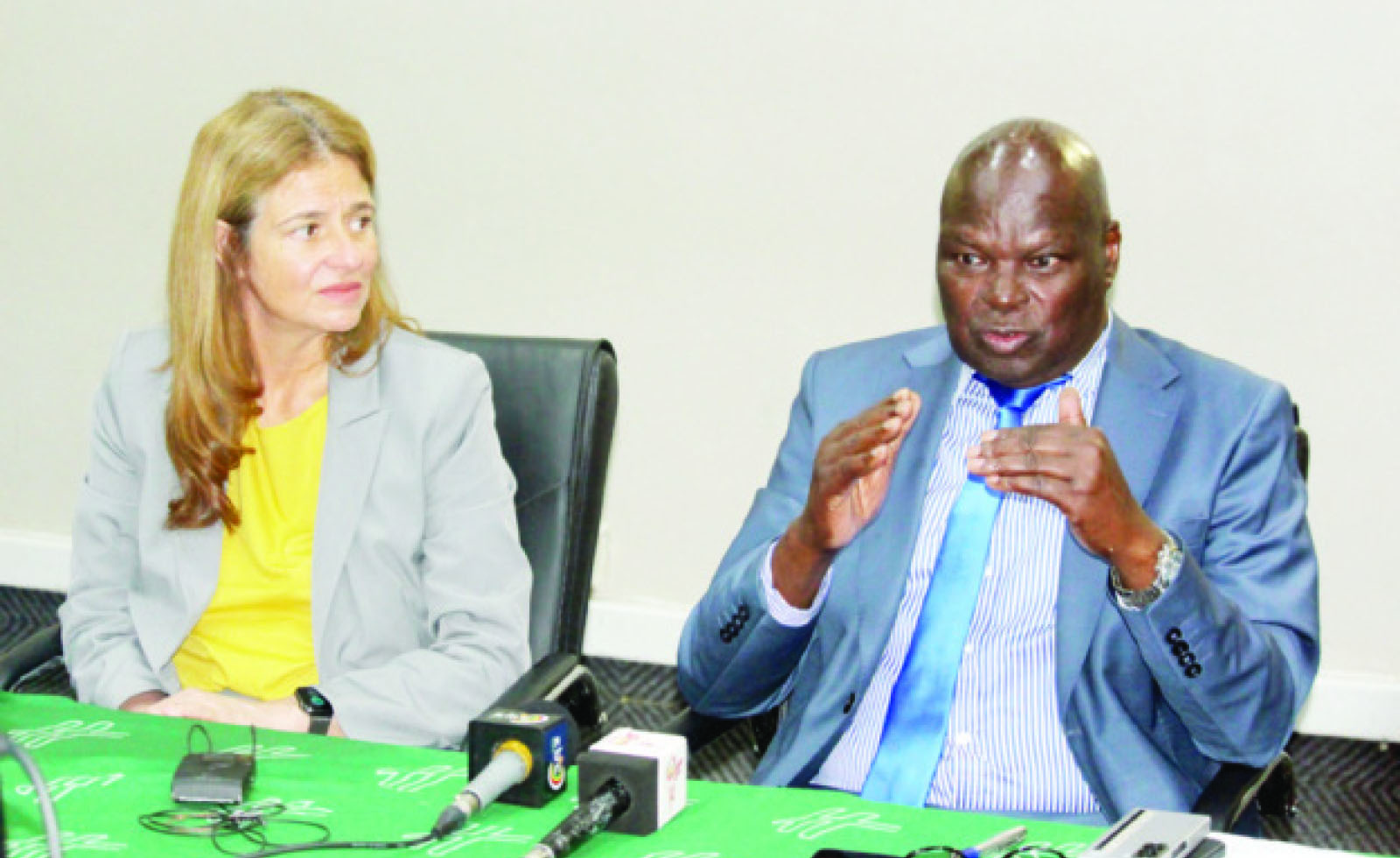
Blessings Chidakwa
Herald Reporter
THERE are high prospects for improved electricity availability this winter due to increased water inflows into Kariba Dam, which now stands at 16.2 percent up from minus 7 percent at the start of the season, a Cabinet minister has said.
Inflows are rising, with Victoria Falls, which feeds Kariba Dam, seeing a surge from 700 cubic metres per second last year to 2,700 cubic metres per second currently.
The Government has also assured farmers of consistent electricity supply for the upcoming winter wheat season, while efforts are underway to resolve a fault at Hwange Thermal Power Station.
Speaking at a National Energy Compact workshop in Harare yesterday, Energy and Power Development Minister July Moyo said the increased water levels at Kariba point to a likely improvement in electricity supply.
“When we started this season, Kariba was below 7 percent. The last reading I saw was about 16,2 percent. Last year, we started at 13 percent and it went even lower. So, today it’s going up,” he said.
“What we are watching also is Victoria Falls, which is a key indicator of what’s happening in Kariba. Around the same time last year, 700 cubic metres per second were falling at Victoria Falls. Now we’re above 2 700.”
Minister Moyo noted that the peak inflows are yet to be reached, as the water originates from the Democratic Republic of Congo and Angola, typically taking two months to flow from Victoria Falls to Kariba Dam.
“So, we are still very hopeful that the waters will continue to rise. The Zambezi River Authority is constantly reviewing how much to allocate to both ZESCO in Zambia and ZESA in Zimbabwe,” he said.
On electricity supply during the winter season, Minister Moyo said although the country is facing some power challenges, the Government is prepared to meet the energy demands of wheat farming.
“Our focus during this period is to ensure wheat production is secure and meets targets. The Ministry of Lands, Agriculture, Fisheries, Water and Rural Development has already indicated the wheat hectarage to be planted, which translates into energy requirements,” he said.
“While we have challenges at Hwange at present, we have ramped up production at Kariba to cover the shortfall. We believe this will allow us to meet wheat production needs.”
Minister Moyo said several industries are being encouraged to produce their own power, such as Dinson Iron and Steel, which uses thermal energy.
These captive power producers support the national effort by generating electricity for their own use, easing pressure on the national grid.
“We are encouraging more companies to use either solar or their own thermal captive power. Given what we’re outlining in this compact, we should be able to provide energy security to most of our industries,” he said.
Speaking at the same event, World Bank Zimbabwe Country Manager Ms Eneida Fernandes said the energy compact is crucial for the region, given Zimbabwe’s strategic role.
“You are at the centre of everything happening in Southern Africa. Not having Zimbabwe as part of the energy compact would have made it impossible to achieve the goals of Mission 300,” she said.
Ms Fernandes said energy access is central to resilience and inclusive development.
“It powers industry, supports education, strengthens healthcare systems, and enhances livelihoods,” she said.
Energy and Power Development Permanent Secretary, Engineer Gloria Magombo, said Zimbabwe’s pursuit of a sustainable, reliable, and inclusive energy future places the private sector at the heart of its strategy.
“We recognise the importance of the private sector as a partner in implementing all these initiatives,” she said, underscoring the collaborative approach being pursued.
The proposed National Energy Compact represents Zimbabwe’s pledge to achieve universal access to clean and modern energy services by 2030, an ambition that cannot be realised without strong private sector participation.
With the right partnerships and investment climate, Zimbabwe is laying the foundation for a more resilient energy sector, one that not only powers growth but also ensures long-term sustainability.



