Online Reporter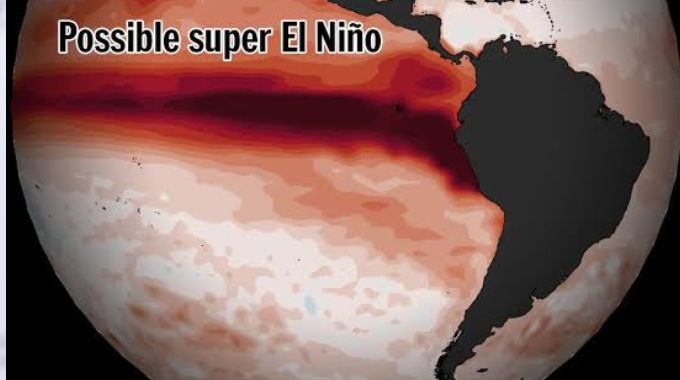
Dr Hillary Mugiyo
A new season, a new resolve
AS Zimbabwe prepares for the predicted Super El Niño of 2026/27, farmers and extension staff across the nation are facing the future head-on, armed with knowledge, innovation and community spirit.
While this weather event brings the likelihood of drought, heat waves and water shortages, it also presents an opportunity to strengthen resilience, adopt smarter practices and build a more robust agricultural sector.
Understanding the Super El Niño: What does it mean for agriculture?
El Niño is no stranger to Zimbabwe’s fields. Past events have brought lower rainfall, reduced crop yields and increased pressure on water resources especially for maize and livestock. Research reveals that in 11 out of 13 El Niño seasons, Zimbabwe recorded negative maize yield anomalies.
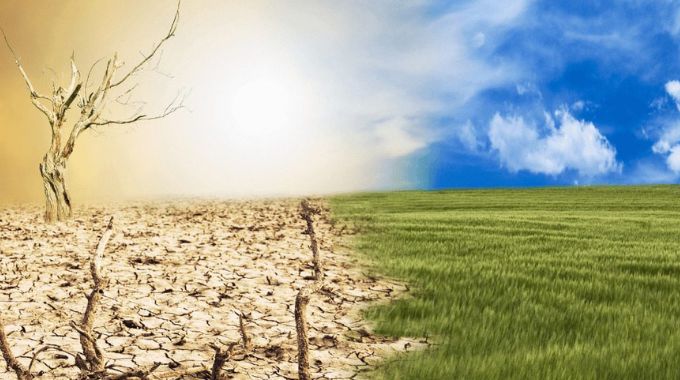
However, the story doesn’t end with the weather forecast. Today, farmers have more tools and strategies than ever before to turn challenges into opportunities.
Smart strategies across all farming sectors
1. Crops and Horticulture: Planting for Tomorrow’s Climate
n Drought-Tolerant Choices: Farmers are shifting towards sorghum, millet and cowpeas, as well as improved drought-tolerant maize varieties.
n Conservation and Climate-Smart Farming: Techniques like Pfumvudza/Intwasa, mulching and crop rotation are helping soils retain precious moisture.
n Precision Planting: By staggering planting dates and waiting for the first effective rains, risk is spread and yields are protected.
n Horticulture Goes Resilient: Heat-tolerant vegetables, shade nets and drip irrigation are keeping gardens green and productive.
2. Mechanisation: Doing more with less
n Water-Smart Equipment: Modern planters, minimum tillage machinery and efficient harvesters are saving both fuel and water.
n Smallholder Solutions: Access to contractor services and shared equipment pools is making mechanisation affordable, even for small farms.
n Repair and Maintenance: Early servicing of tractors, pumps, and implements keeps the season running smoothly.
3. Irrigation: Every Drop Counts
n Revamping Infrastructure: Rehabilitation of old irrigation systems and community dams is underway across the country.
n Drip and Micro-Irrigation: These methods deliver water directly to plant roots, cutting losses and boosting yields.
n Solar Pumps and Rainwater Harvesting: Farmers are harnessing the sun and every possible drop of rain to keep crops thriving during dry spells.
4. Livestock: Protecting the Herd, Securing the Future
n Water Security: Borehole drilling, trough construction and dam repairs are ensuring animals have drinking water, especially in drier regions.
n Smart Grazing: Structured destocking, feedlot development and fodder banks are reducing overgrazing and preserving core breeding herds.
n Health and Disease Control: Vaccinations, deworming and improved veterinary care are being scaled up to prevent disease outbreaks.
n Feed Innovation: Farmers are conserving crop residues, baling hay and processing locally grown fodder to ensure ample feed throughout the season.
5. Aquaculture and Apiculture: Expanding Opportunity
n Fish Farming: By monitoring pond water levels, adjusting stocking rates and adopting water-efficient feeds, fish farmers are safeguarding their operations.
n Beekeeping: Providing shade, planting drought-tolerant flowering trees and ensuring water nearby keeps bees productive and pollination strong.
6. Soil Health: The Foundation of Resilience
n Soil Enrichment: Compost, manure and cover crops are building soil fertility and water retention capacity.
n Bush Thinning and Erosion Control: Removing invasive shrubs and maintaining ground cover prevents erosion and boosts grazing potential.
7. Marketing: Turning Challenges into Cash Flow
n Market Planning: Early sales of surplus produce and livestock help capture higher prices before peak drought.
n Group Marketing: Farmer collectives are negotiating better deals and sharing transport costs.
n Value Addition: Processing crops into storable products and exploring niche markets for honey, fish and horticulture are driving new income streams.
Community and Capacity Building: United for Success
n Training and Knowledge Sharing: Extension workers are delivering workshops on drought resilience, water conservation and business skills.
n Youth and Women Empowerment: Special programs target young and female farmers, expanding opportunity and innovation across communities.
n Insurance and Financial Tools: Weather-indexed insurance and microfinance are cushioning shocks and supporting quick recovery.
A Season of Hope and Innovation
Although El Niño brings challenges, Zimbabwean farmers have more knowledge and tools than ever before. By making a few key changes choosing the right crops, preparing early and managing water wisely you can protect your land, your harvest and your family’s food security.
Let’s work together to farm smart, using every resource and piece of advice available. With good planning and cooperation, we can turn this El Niño season into a story of resilience and success.
The predicted 2026/27 Super El Niño is indeed a serious test, but it is not insurmountable. Zimbabwe’s agricultural community is responding with agility, science and heart.
By embracing mechanisation, modern irrigation, climate-smart practices and collaborative solutions, every farmer large or small can weather the storm and thrive beyond it.
Let’s make this El Niño season a showcase of Zimbabwean resilience, innovation and unity. Together, we will not just survive but succeed.
n Dr Hillary Mugiyo is the Chief Agricultural Specialist in the Ministry of Agriculture, Mechanisation and Water Resources Development