Gibson Mhaka, Senior Features Writer
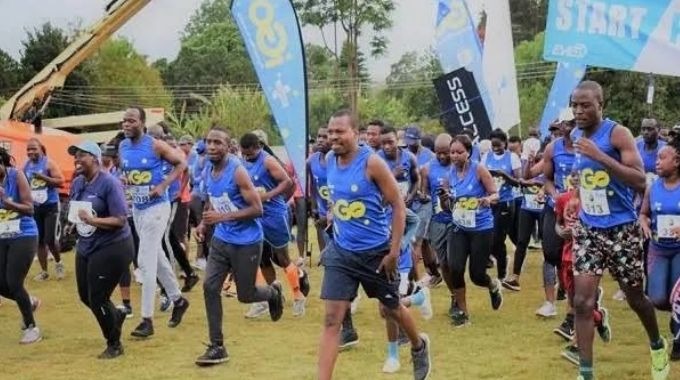
ON any given weekend, at the crack of dawn, the streets of Bulawayo — from the wide avenues of the Central Business District to the bustling thoroughfares of Gwabalanda, Nketa and Hillside — come alive with a collective rhythm.
The air fills with the sound of pounding feet, cheering spectators and runners encouraging one another towards the finish line.
Some arrive hoping to improve their times, others are chasing medals, while many simply want to complete the distance and enjoy the satisfaction of keeping their bodies active.
What began years ago as a niche sporting arena reserved for elite distance runners and seasoned adventurers has rapidly transformed into Zimbabwe’s most inspiring grassroots wellness movement.
Across the country, thousands of citizens are lacing up their trainers, taking to the roads in a conscious shift toward physical fitness, mental well-being, balanced nutrition, and holistic living.
From high-profile corporate-sponsored races such as the annual Cimas iGo Half Marathon, the Econet Victoria Falls Marathon, Kings and Queens Marathon, Great Zimbabwe Marathon, First
Mutual Marathon and the PPC Matopos Marathon to regional road walks and neighbourhood jogging groups, organised running events are sweeping through communities.
They are proving to be far more than mere athletic competitions, they are dynamic public health interventions disguised as road races.
Movement as preventive medicine
As non-communicable diseases (NCDs) such as hypertension, Type 2 diabetes, and obesity continue to pose significant public health challenges across Africa, fitness experts emphasise that regular movement remains the first line of defence.
Bulawayo-based fitness coach and Glowfit Athletics Club (formerly Gwabalanda Fitness Team) trainer, Thulani Sibanda, believes that participating in marathons and structured road walks provides the vital foundation needed to curb lifestyle-related ailments.
“Marathons and organised road walks play a significant role in promoting physical health and preventing lifestyle-related diseases,” says Sibanda.
“Regular physical activity helps the body burn calories, manage body weight, improve cardiovascular health, and strengthen muscles and bones.
“Running and walking enhance heart and lung function while helping regulate blood pressure and blood sugar levels.”
He stresses, however, that consistency is the real key to long-term vitality.
“Participation should be consistent and progressive. One does not have to run a full 42-kilometre marathon to enjoy these benefits. Even regular walking, jogging, and moderate exercise can significantly improve one’s health.
“Movement is medicine; we must move away from the mentality that exercise is exclusively for athletes and embrace it as a necessity for everyone,” Sibanda notes.
Echoing these sentiments, Thulani Dube, a veteran fitness coach, highlights the underlying physiological mechanics that make running so effective against chronic conditions.
“Marathons push for proper blood circulation and rejuvenate internal body organs, which improves blood pumping and heart rate by regularising the pulse rate, thereby reducing the intensity of hypertension,” explains Dube.
“Running naturally forces the body to utilise stored fatty deposits by converting them into the energy required to meet the physical demands of the race.”
Mind over miles: Mental health and social support
Beyond physical conditioning, the psychological benefits of road running are drawing thousands of Zimbabweans seeking an effective outlet for stress relief. In a fast-paced modern world, the mental clarity achieved on the road is proving invaluable.
Bulawayo fitness instructor Rudo Moyo observes that group running creates a unique environment for emotional resilience and social bonding.
“When you step onto the road with hundreds of other runners, there is an immediate release of mental tension,” says Moyo.
“Exercise triggers the release of endorphins—the body’s natural mood boosters—but beyond the biochemistry, it is the community spirit that heals.
“You are surrounded by people cheering you on, sharing the same struggle and celebrating the same finish line. It breaks isolation, builds self-discipline, and gives participants a profound sense of accomplishment that carries over into their daily work and personal lives.”
Coach Fohloza agrees, noting that fitness events offer a rare chance to disconnect from daily pressures.
“Running and walking provide participants with an opportunity to reflect, socialise, and develop a sense of achievement,” he says.
“Being part of a running or walking community creates a sense of belonging, friendship, and mutual support. Ultimately, wellness is not only about physical fitness; it is about nurturing the body, mind, and spirit to achieve a healthier, more balanced life.”
Dube adds that the sheer focus required during long-distance walks and runs acts as a natural mental reset. “It requires intense concentration, which naturally detracts one from dwelling on daily problems, resetting the mind as you push to complete the distance,” Dube observes.
Corporate leadership in
community wellness
The rapid growth of road-running events across Zimbabwe has been significantly bolstered by corporate entities that recognise health promotion as a strategic priority. Institutions like Cimas
Health Group have led the charge by aligning corporate social investment with preventative healthcare initiatives.
Through flagship events such as the Cimas iGo Half Marathon and the “Pedal to W3llness” campaign, Cimas actively encourages Zimbabweans to take proactive charge of their health.
Cimas Health Group chief executive officer, Mr Vuli Ndlovu, emphasises that inspiring healthier communities requires accessible, inclusive platforms that motivate individuals across all fitness spectrums.
“We host our annual events as part of our commitment to promoting a culture of wellness in line with our purpose to inspire healthier communities. Through these initiatives, we are not only encouraging participants to engage in physical activity, but also highlighting the critical role that cardiorespiratory fitness plays in overall health and well-being.”
Addressing global health metrics, Mr Ndlovu notes that cardiovascular diseases remain a leading cause of mortality worldwide.
“According to the World Health Organisation, cardiovascular diseases take an estimated 17.9 million lives each year.
“The marathon, designed to encourage physical fitness and motivate people to take control of their health, is open to all members of the public—whether you are an avid runner, a health enthusiast, or simply wish to support a noble cause,” Mr Ndlovu adds.
“Through the iGo wellness brand, Cimas provides holistic programmes dedicated to improving the health and lifestyle of Zimbabweans through health screenings, fitness and wellness events.”
Building inclusive, active communities
To sustain this positive momentum, stakeholders are calling for deeper collaboration between local authorities, health institutions, businesses and grassroots organisations.
Coach Fohloza advocates for making road events accessible to everyone by diversifying race categories.
“Event organisers should make marathons and road walks inclusive by introducing varied distances such as 3km, 5km and 10km fun runs alongside half-marathons.
“This allows beginners, families, senior citizens and seasoned athletes to participate according to their abilities,” he says.
Dube also calls for structural support to nurture local fitness culture.
“Communities can establish street gyms, athletics clubs and recreational teams. This can be made possible through the active involvement of local leaders and businesses.
“Government could also consider providing tax incentives to entities that invest in community sports and fitness infrastructure,” Dube suggests.
As the morning sun rises over Bulawayo’s suburban roads, the growing sea of runners serves as a vibrant reminder of a nation on the move.
Step by step, stride by stride, Zimbabwe’s road-running movement is turning the pursuit of wellness into a collective, life-affirming journey toward Vision 2030.