Chronicle Editor
Leonard Ncube, [email protected]
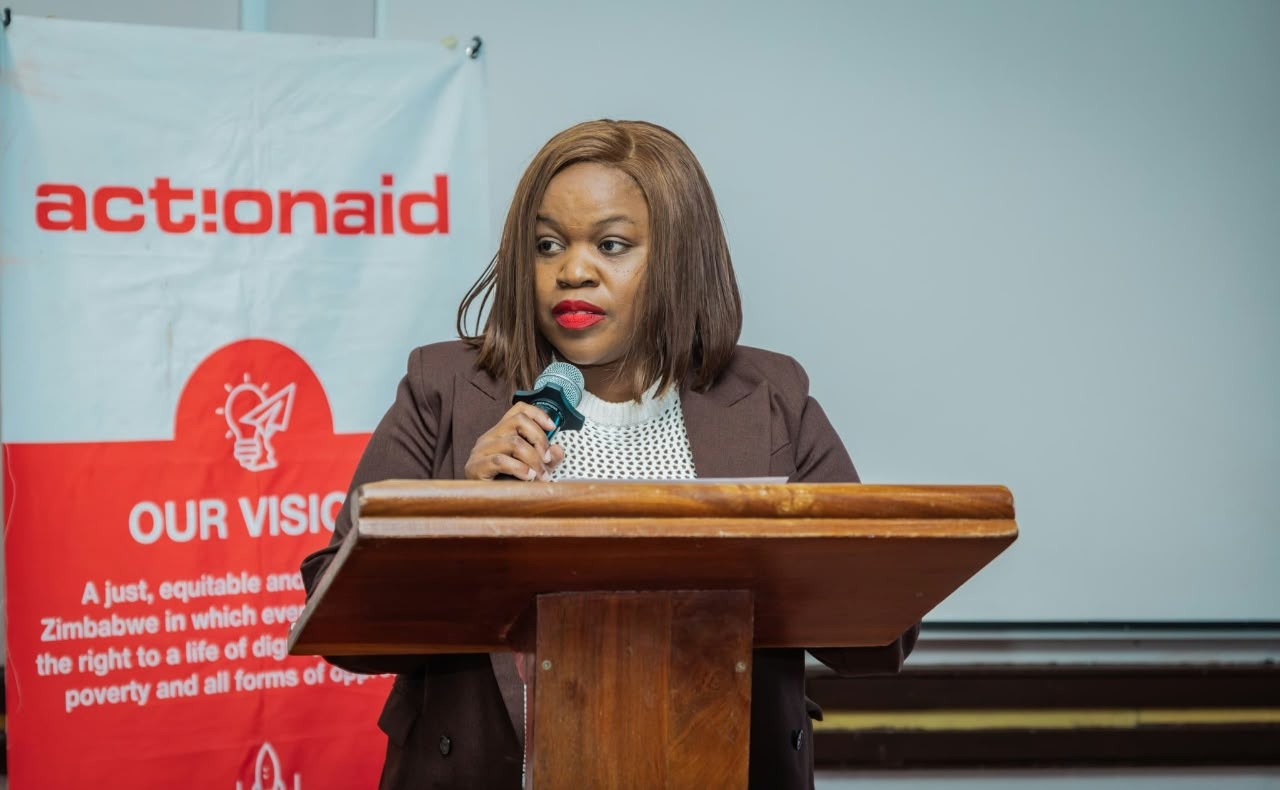
THE Rural Electrification Agency (REA) is taking significant strides towards achieving universal energy access in Zimbabwe by seeking investment partnerships to electrify over 2 million rural homesteads that are currently off the grid.
However, funding remains a major obstacle to achieving their goals, according to REA acting chief executive officer, Mrs Felisters Makumbinde.
While the Rural Electrification Fund provides a meagre six percent of the necessary allocation, the ambitious projects require additional grants, loans, or debt funding to move forward.
Mrs Makumbinde revealed this during an interview at the Zimbabwe-Zambia Energy Projects Summit in Victoria Falls.
“As Rural Electrification Fund Zimbabwe, we have our rural energy masterplan, which prescribes how each rural area in Zimbabwe must be electrified. We are prioritising off-grid solutions due to challenges that we are experiencing in the grid in the country,” she said.
Mrs Makumbinde said as part of their Rural Energy Master Plan, they are implementing community solar mini-grids and solar home systems to ensure no one and no place is left behind.
She said REA has identified 227 economically viable community solar mini-grid projects, which collectively require US$72 million to cover about 500 000 households. In addition, feasibility studies are ongoing for 1,8 million rural homesteads to be electrified through solar home systems.
“We are running with three models of solar projects where we have community solar mini-grids, which are earmarked for the remote cluster settlements far away from the existing grid lines and we are running solar mini-grids to the community,” she said.
Mrs Makumbinde said micro-grids and mini-grids cannot be used for sparsely populated rural households.
“We are electrifying them through solar home systems, which come in different sizes from the smallest size just to charge phones. But as REF, we have said we are not going to be distributing those small solar systems because we want to distribute a system such that we can classify them as having been electrified,” she said.
“These are electrified through community solar mini-grids. We are constructing a micro-grid to feed that whole institution and feed them with power.”
REA is actively seeking partnerships to bridge funding gaps. The agency is collaborating with the United Nations Development Programme (UNDP) on feasibility studies and exploring financing options, including equity investments, grants and debt funding.
Mrs Makumbinde said where full feasibility studies have been completed, funding and partnerships are required.
She said REF will fund the viability gap while REA looks for debt, or equity and grants.
Mrs Makumbinde said a grant will make the whole project affordable and achievable, adding that REA can repay as has been proven through feasibility studies.
Some of the projects go with biogas digesters, especially for households with a minimum herd of eight cattle.
For solar home systems, REA is adopting a pay-as-you-go model to enhance affordability. Beneficiaries will pay an initial deposit and settle the remaining costs through monthly instalments.
Among the projects already underway are community solar mini-grids in Bemba and Hakwata, Chipinge District, which are set to transform energy access for surrounding communities.
Mrs Makumbinde said the agency is committed to ensuring that rural electrification supports the broader national development agenda.
“With the right funding and partnerships, we can achieve sustainable energy access for all, driving rural development and improving livelihoods,” she said. — @ncubeleon



 Online Reporter