admin
admin
Fungai Lupande Mashonaland Central Bureau
Over 40 transformers have been installed in rural areas across Mashonaland Central with 82, 3 km of high voltage and 7,2 km low voltage power lines constructed to the tune of US$1,7 million from the Rural Electrification Fund.
The sub-station capacity of these power lines is 1 650kVA and will light up many rural institutions in the province.
This comes as the Second Republic accelerates rural development in the province with the Rural Electrification Agency (REA) installing 12 transformers in Kanyemba, Mbire alone.
Over 30,15 kilometre high voltage power lines and two, one kilometre of low voltage lines with a total substation capacity of 500Kva are complete in Mbire and ready to light up 19 institutions.
Currently, REA is working on construction of crossing links across the Zambezi River while construction of 7, 5 kilometres and 33KV line from ZESCO grid to Zambezi River crossing is 85 percent complete.
The rural electrification programme has seen the electrification of rural schools and clinics like Maparepare, Ganganyama and Masoka in Rushinga.
Presenting a report during the provincial development meeting, provincial roads engineer, Engineer Joseph Makokove said institutional solar mini-grids have complemented the rural electrification programme.
“Community solar grids have also helped in lighting up rural homes. Meanwhile the construction of biogas digesters in Bindura, Guruve and Mazowe have benefited Chawagonahapana prison, St Philips Mangwenya High School and Amandas Primary School,” he said.
Turning to dams, Eng Makokove said Mbada, Semwa, Dande and Bindura Dams are under construction.
At Semwa Dam, the Second Republic is moving with speed with construction work now at 46 percent, exceeding this year’s target of 45 percent.
The main dam excavation outlets work and construction of the dam are progressing well, said Eng Makokove.
“At Mbada Dam in Muzarabani site establishment has been done and construction of access roads is complete. At Dande Dam the excavation of a kilometre tunnel is progressing well and main dam grouting at Bindura Dam is ongoing,” he said.
The Zimbabwe Water Authority (ZINWA) has established 50-hectare irrigation schemes at Nyabvuti and Karoyi in Guruve.
Eng Makokove said 100-hectare irrigation scheme has been established at Mwenje in Mazowe.
Speaking at the same meeting, chairperson of the value chain cluster Mrs Bridget Mhonderwa said industry is calling for the resuscitation of the railway lines for easy transportation of bulky goods.
She said a number of projects are ongoing including a moringa processing plant, oil and stock feed processing in Mbire, while a maputi processing plant on card in Bindura
A 200 tonne manganese smelter plant in Bindura is complete after its construction was stalled by COVID 19, outstanding connections to ZESA.
In Mazowe they have a meat processing plant, citrus processing plant, leather production, footwear manufacturing plant and roofing sheets and tile production.
“All these companies indicated that they want to utilise railway transport. Unfortunately, the railway network is not working.
Resuscitation of the railway system will ensure that bulk goods are not transported by road, this will also save the roads,” she said.
“Mashonaland Central is a primary producer of raw materials and we need to set up industrial space for value addition.”
Housing director Mr Petros Maringe said there is a need to come up with strategies to combat informal settlements mostly in Shamva.
He said the provincial plan is alien to policies.
He added that concepts of smart cities are being implemented in Kanyemba and building back better for old structures in Bindura.
He revealed that there is no progress in housing projects in Bindura and Muzarabani
Following the launch of the National Development Strategy 1, the province sat down and came up with our home grown economic development plan in July 2021.
Director economics and investment Mr Levi Katambarare said the journey is toward vision 2030 while coming from a bad side going towards milk and honey.
“For us to get there we need to plan so that we achieve our objectives, this is why we are gathered here,” he said.
“From the NDS1, we prioritised six areas, infrastructure and utilities, inclusive economic growth, food and nutrition security, housing delivery, structural transformation (value chain) and environmental protection,” he said.
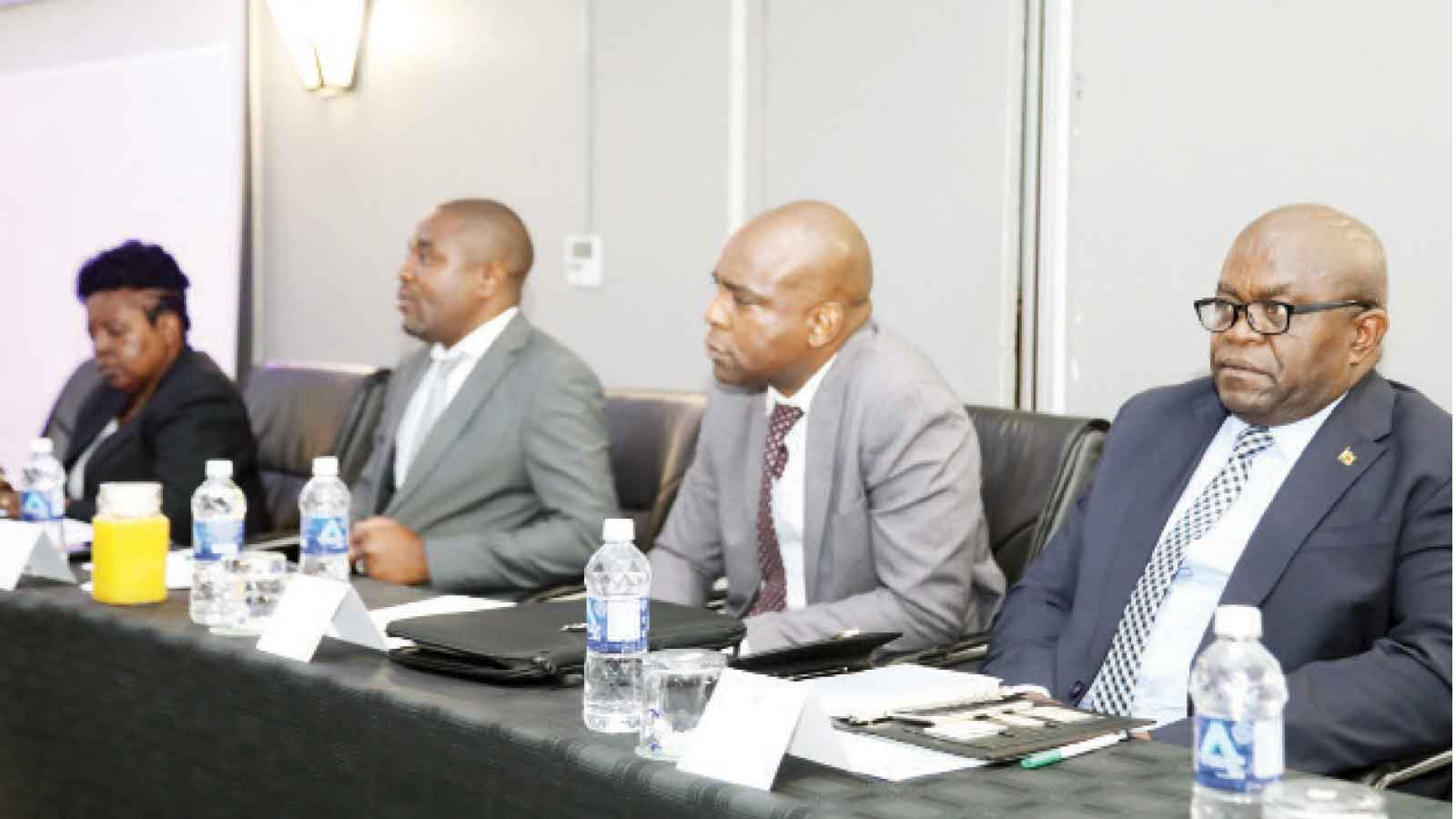
Minister of State for Provincial Affairs and Devolution Senator Monica Mavhunga said vision 2030 can only be achieved through implementation of various strategies.
She said NDS1 is the first giant step towards realising vision 2030.
“In pursuit of economic growth we are leaving no one and no place behind. We are working with everyone in achieving objectives of our provincial economic development plan which is aligned to NDS1,” she said.
“Embrace transparency and accountability in conducting business. Corruption is cancerous and together we can eliminate corruption which has the potential to reverse gains made in the province.”


 Online Reporter