Online Reporter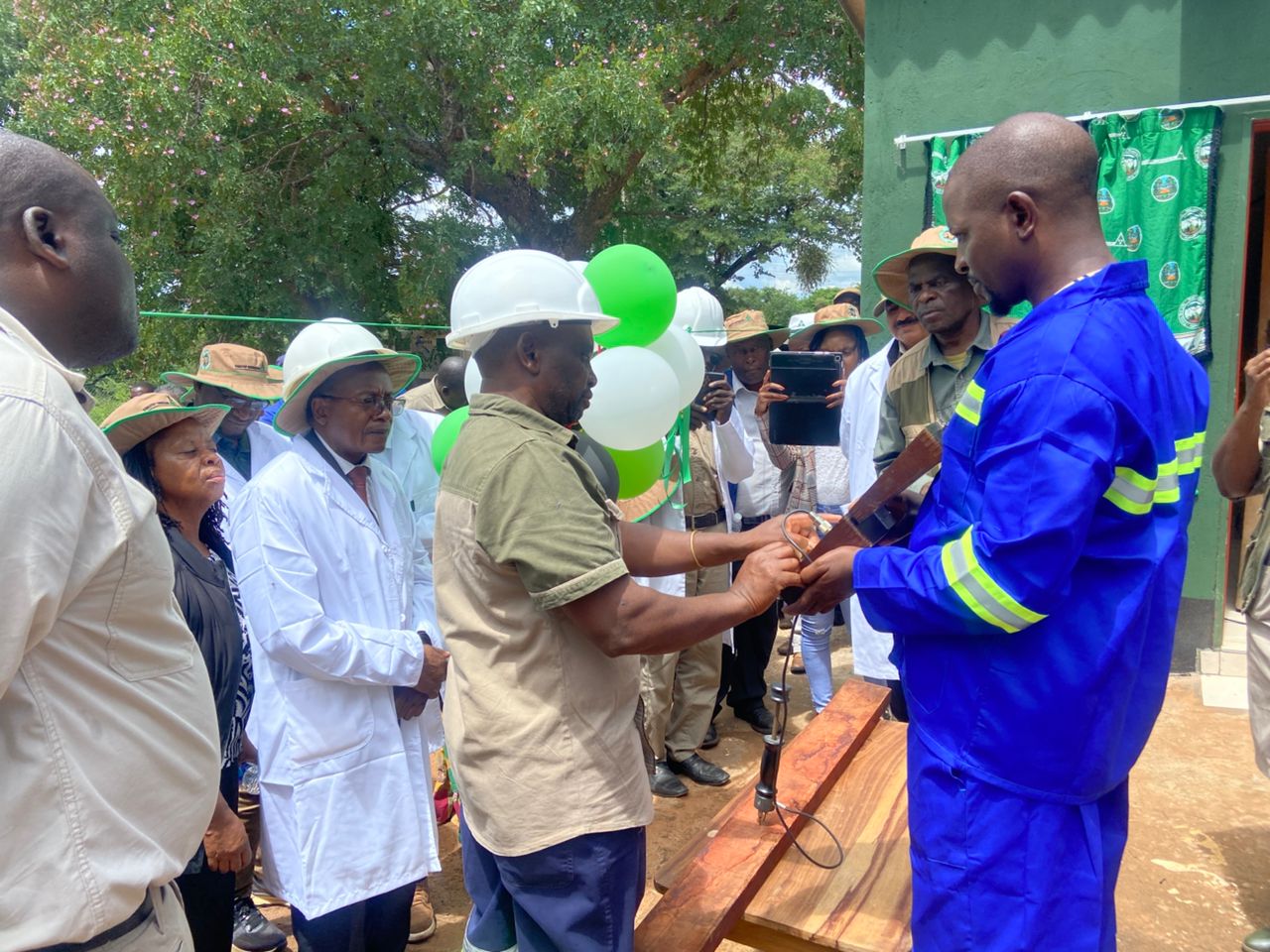
Rutendo Nyeve in Lupane
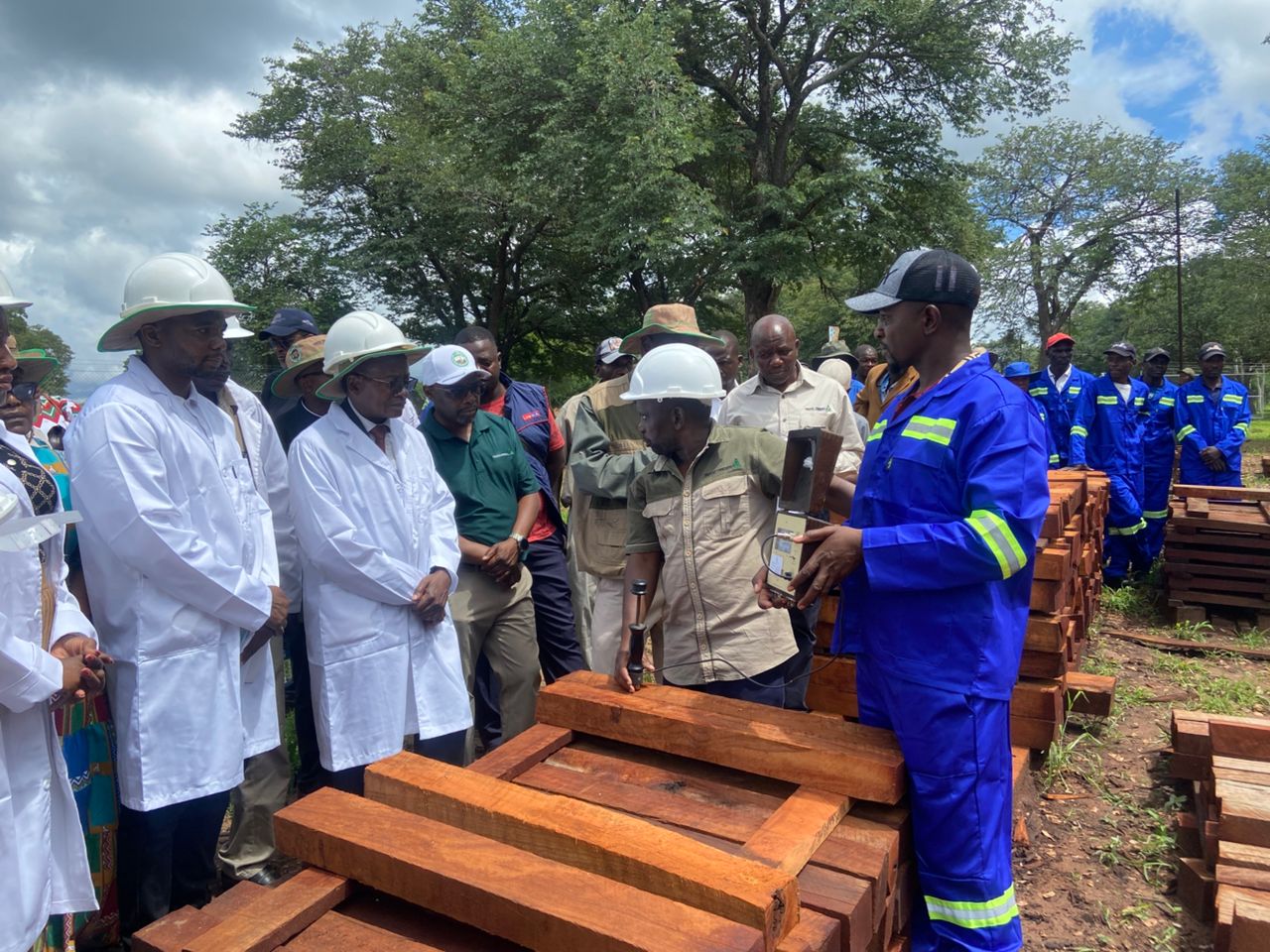
RURAL industrialisation has taken a significant stride in Matabeleland North Province with the commissioning of a state-of-the-art timber drying kiln at Forest Hill in Gwaai Forest Land, a development set to transform local forestry into a higher-value, job-creating enterprise.
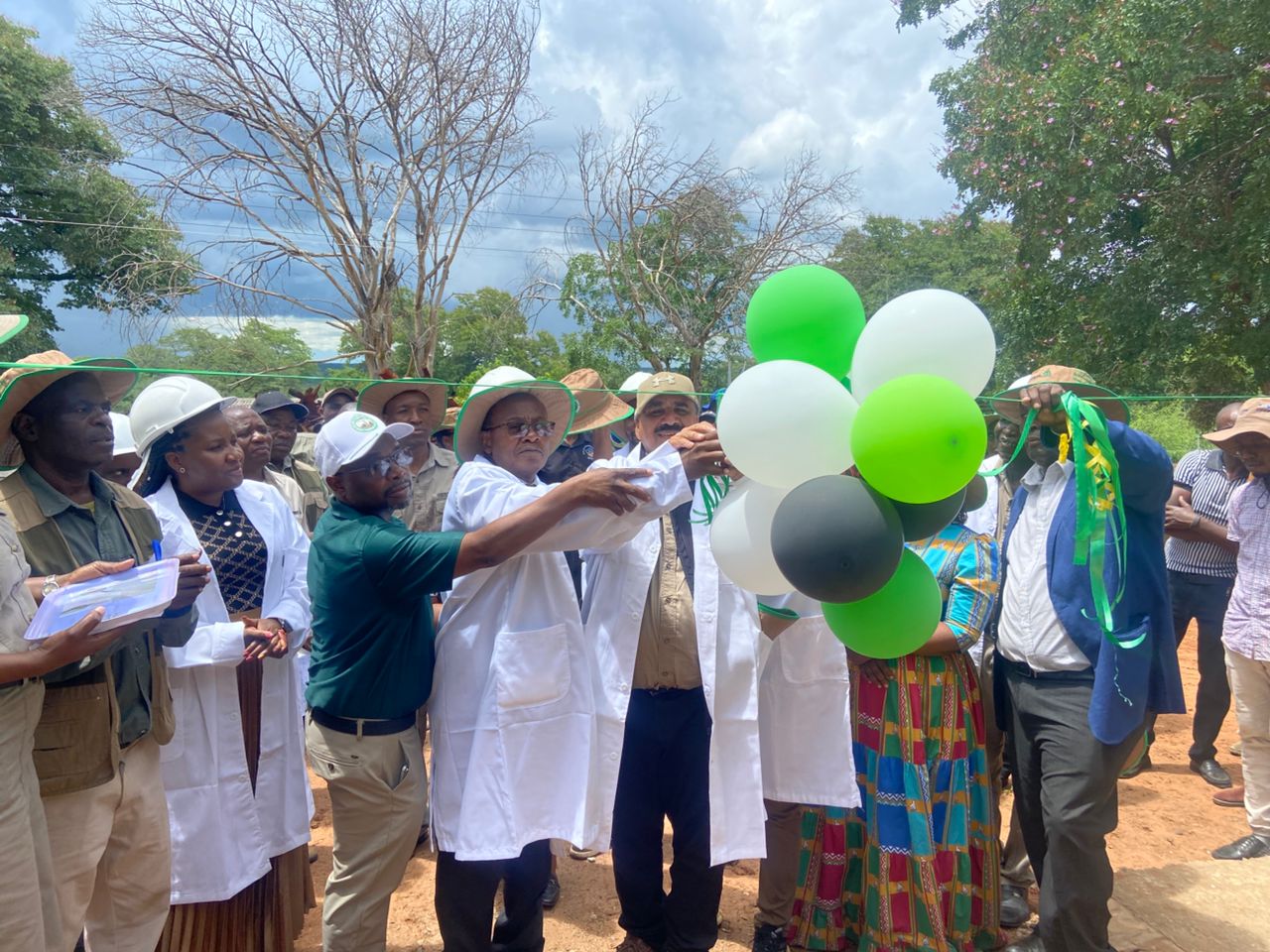
The facility which was commissioned on Friday is set to empower the local community by enabling value addition to indigenous hardwood timber, moving beyond raw extraction to finished, durable products.
The event was presided over by the Minister of Environment, Climate and Wildlife, Dr Eveline Ndlovu, who was represented by the Chief Director in her Ministry, Dr Washington Zhakata.
Dr Ndlovu said the kiln will play a pivotal role as a catalyst for rural industrialisation.
“We are not simply talking about a piece of equipment. We are talking about a tool that transforms our indigenous timber sector and strengthens our economy, she said.
She highlighted that properly dried timber meets international standards, opening export opportunities, earning foreign currency, and creating jobs in processing, furniture making, and construction.
The Chairman of the Forestry Commission Board of Commissioners, Ambassador Mahomed Jassat, described the kiln as a critical step for sustainability.
“This state-of-the-art facility will allow us to better utilise our resources while reducing waste, thus contributing to our broader goals of sustainability and conservation,” he said.
He added that the project symbolises a commitment to a future where forests, economy, and communities can thrive together.
Matabeleland North Minister of State for Provincial Affairs and Devolution, Honourable Richard Moyo, who was represented by Director Local Government, Mr Tapera Mugoriya welcomed the development, noting the province’s rich endowments.
“Matabeleland North Province is home to hardwoods that support timber concessions found in most of our Districts,” he said.
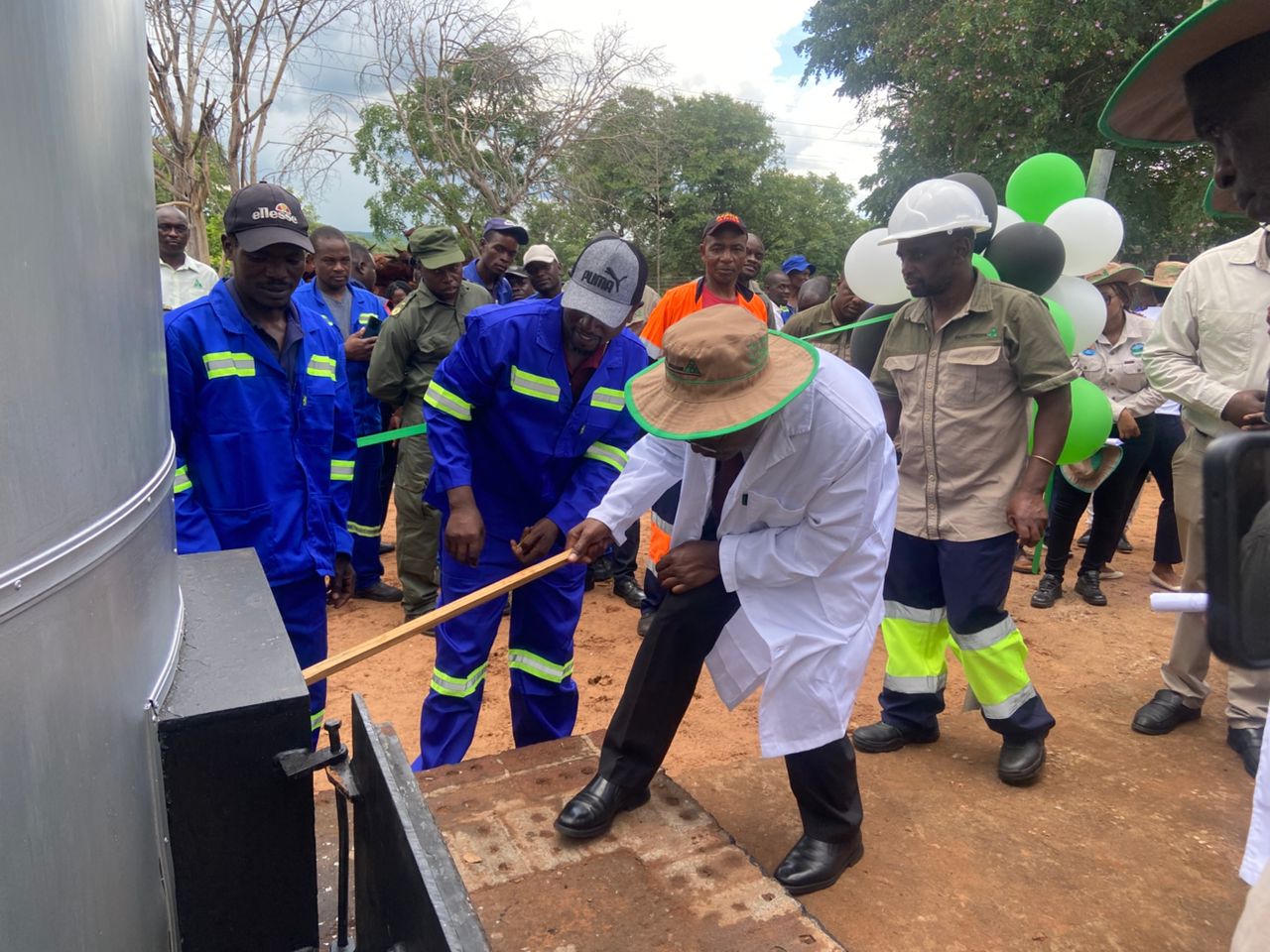
He expressed confidence that the kiln, located near Lupane State University, would foster practical learning and innovation.
The kiln will allow local timber processors to reduce the moisture content in wood, protecting it from pests and decay, significantly enhancing its durability and market value.
Operated on a cost-recovery basis, it is designed to be accessible to local businesses and entrepreneurs, fostering self-reliance.
Furthermore, the facility will serve as a research hub for academic institutions like Lupane State University.
This project, a partnership between the Forestry Commission and the World-Wide Fund for Nature (WWF), stands as a tangible milestone towards Vision 2030, demonstrating how targeted investment in rural technology can drive economic emancipation, community resilience, and sustainable resource management.