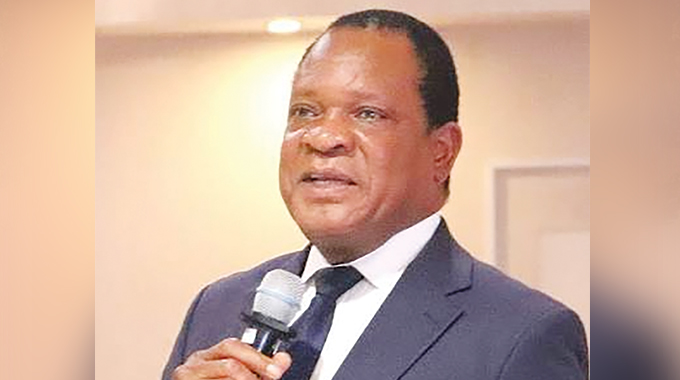
Gibson Mhaka
In Moscow, Russia
AS Russia prepares to host the third Russia-Africa Summit and Economic and Humanitarian Forum on October 28 and 29, the central question for Zimbabwe is how to translate longstanding diplomatic goodwill into investments, industrial capacity and jobs.
The gathering comes at an important moment in relations between Harare and Moscow. The two countries marked 45 years of diplomatic relations in February. Bilateral trade was estimated at about US$80 million in 2025. Both sides see opportunities for growth in agriculture, energy, mining and technology. The task is now to move from identifying opportunities to negotiating viable projects that deliver lasting benefits.
The summit’s programme covers trade, investment, technology transfer, food and energy security, digitalisation, healthcare, education and science. These priorities align with Zimbabwe’s drive to expand production, add value to natural resources and strengthen national capacity.
For Zimbabwe, Moscow is more than a diplomatic destination. It offers a platform to match local development needs with Russian expertise, capital and technology, while ensuring cooperation produces tangible results at home.
From goodwill to bankable projects
The distinction between potential and delivery was underscored by African-Russian Energy Association executive secretary and GR-Group founder Mr Andrey Gromov in a recent interview with the International Association GlobUs.
“At the current stage, both sides are highlighting extensive opportunities. It is fair to speak of the high potential of our relations. However, practical steps are needed to bring concrete deals closer,” he said.
Mr Gromov said projects required “a specific understanding of each party’s participation and the benefits for both sides”.
His assessment identifies the work ahead: proposals need feasibility studies, clear financing arrangements, agreed responsibilities, reliable markets and measurable outcomes.
Summit meetings can bring decision-makers and companies together, but declarations cannot substitute for contracts and implementation. The forum’s value will lie in helping businesses identify partners, resolve obstacles and move promising ideas towards investment decisions.
Anton Kobyakov, an adviser to the Russian President and executive secretary of the summit’s organising committee, said the gathering would focus not only on agreements but also on “adopting practical solutions”.
That emphasis is particularly relevant to Zimbabwe, where investment must translate into productive capacity.
Trade needs balance and easier channels
The fivefold increase in direct agricultural exports from Zimbabwe to Russia this year, compared with the same period last year, offers an encouraging signal. However, the overall trade figure remains modest, and sustained growth requires a more diversified basket of goods moving in both directions.
Mr Gromov described international trade as “primarily a question of balance” and said cooperation in national currencies was among the options available to both countries.
Such arrangements could help businesses manage payments, although their effectiveness would depend on settlement mechanisms, exchange-rate conditions and confidence among trading partners.
Russia currently supplies Zimbabwe with fuel, fertilisers and some agricultural products, including grain, Mr Gromov said. Zimbabwe can offer agricultural produce, but access to the Russian market is shaped by established supply contracts, market structures and seasonal production risks.
These realities make market intelligence, product standards, transport and predictable payment channels as important as political support. Zimbabwean exporters need consistent supplies and quality, while Russian importers require confidence that goods will arrive on schedule.
Agriculture beyond importing inputs
Agriculture provides one of the clearest opportunities to connect trade with domestic development. Fertiliser supplies can support yields, but the longer-term objective should be a stronger agricultural system built around mechanisation, irrigation, skills and local processing.
“We are ready to create entire production clusters,” Mr Gromov said, describing Russia’s approach to agricultural cooperation.
He pointed to agricultural machinery and Zimbabwean students studying in Russia as elements of a broader relationship combining equipment, knowledge and production.
The opportunity is to develop partnerships addressing Zimbabwe’s priorities: reliable access to inputs, improved productivity, climate resilience and agro-processing.
Machinery must be supported by maintenance services, spare parts, trained operators and affordable financing. Otherwise, equipment risks becoming isolated purchases rather than a productive assets.
Joint ventures in processing, storage and packaging could help farmers and manufacturers retain more value locally and supply regional markets.
Minerals must create local value
Zimbabwe’s mineral wealth offers another field for cooperation, particularly in geological exploration, processing and energy infrastructure. However, mining projects require substantial capital and long investment cycles.
Mr Gromov cautioned that mineral development requires “comprehensive development”, including energy supplies and beneficiation capacity. He noted that production cycles can extend over 10, 15 or 20 years.
Exploration may establish a resource, but processing facilities, reliable electricity, technical expertise and transport determine how much value can be retained locally.
Agreements should, therefore, specify partners’ responsibilities, skills transfer and realistic implementation stages.
Energy is equally important. Industrial expansion requires dependable, affordable power. Cooperation combining technology, training and infrastructure could help address bottlenecks, provided projects are technically sound, transparently financed and aligned with national priorities.
Human capital is strategic infrastructure
The summit’s focus on education, science and technology is fundamental to sustainable trade. Zimbabwe needs engineers, agricultural specialists, geologists, technicians and researchers capable of operating and improving the systems that investment brings.
Mr Gromov said cooperation should extend beyond commercial transactions to “a transfer of skills and assistance in creating a foundation for domestic production”.
He also emphasised personal contact, arguing that relationships between people help create conditions for joint projects and scientific solutions.
Russian Ambassador to Zimbabwe Sergei Berdnikov has similarly said: “We are seeing a trend towards bringing Russian-Zimbabwean relations to a new level of practical cooperation.”
He added that both Governments were focused on expanding investment and financial mechanisms to match political goodwill with concrete economic outcomes.
Training, university partnerships and technical exchanges should therefore be linked to specific industrial needs rather than treated as separate initiatives.
A summit measured by follow-through
As delegates prepare to meet in Moscow, Zimbabwe has an opportunity to present viable projects in agriculture, energy, mineral beneficiation and technology. Each proposal should identify its commercial case, financing requirements, local partners, employment potential and contribution to production.
The relationship’s historical foundations remain important, but its next phase will depend on implementation. Both countries need transparent arrangements, realistic timelines and accountability to secure mutually beneficial economic cooperation.
For Harare, the objective is not simply to increase trade figures. It is to build domestic capacity, diversify exports, create skilled jobs and ensure natural resources contribute more directly to national development.