admin
admin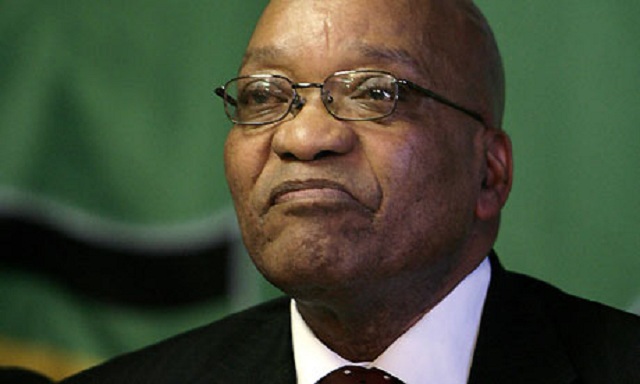
South African President Jacob Zuma failed to “uphold, defend and respect” the constitution when he ignored the order of an anti-corruption watchdog to repay some of the $16 million spent to upgrade his private home, the Constitutional Court ruled.
After delivering a stinging rebuke to the scandal-plagued leader yesterday, the court gave Zuma 105 days to repay the “reasonable cost” of non-security-related upgrades to his sprawling rural residence at Nkandla in KwaZulu-Natal.
The unanimous ruling by the 11-judge court is the latest twist in a six-year saga over Nkandla that now adds financial damage to the political wounds it has already inflicted on Zuma.
It was also a clear vindication of Public Protector Thuli Madonsela, a constitutionally mandated watchdog who was described by chief justice Mogoeng Mogoeng as a “Biblical David” fighting against the Goliath of corruption.
The uncompromising nature of the verdict — Mogoeng described it as a “profound lesson” for South Africa’s young democracy — piles more pressure on Zuma, already feeling the heat from a string of scandals.
Standing outside the court in downtown Johannesburg, opposition leader Mmusi Maimane told reporters Zuma should be removed from office and said he would table a parliamentary motion to have him impeached.
Zuma, a 73-year-old Zulu traditionalist, has been under fire since December when his abrupt sacking of finance minister Nhlanhla Nene sent the rand into a tail-spin.
The rand firmed to a near-four month high against the dollar as Mogoeng delivered his ruling.
The African National Congress’ majority in parliament will almost certainly give political cover against any attempt to impeach Zuma, but the ruling may embolden opponents within the ruling party to challenge him.
Madonsela’s 2014 report on the upgrades to the Nkandla residence made clear that he should pay for anything not security-related, in particular the cattle enclosure, amphitheatre, visitor centre, chicken run and swimming pool.
Zuma refused to comply, ordering parallel investigations by the public works and police ministries that largely exonerated him, based on declarations that included calling the swimming pool a fire-fighting reservoir. In her report, Madonsela said the Treasury and police should work out the “reasonable cost” of the final cost of the five items she deemed non-essential. — AFP


 Online Reporter