admin
admin
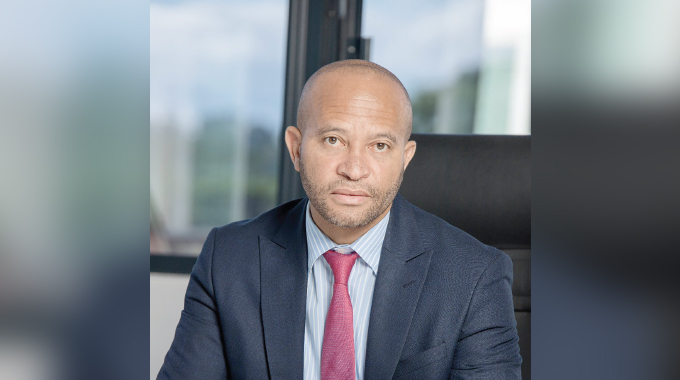
New South African Finance Minister Enoch Godongwana’s heavyweight status within the ruling party could help to build alliances for the fiscal policies championed by the National Treasury, according to Fitch Ratings analyst Jan Friederich.
Godongwana, a former labour unionist and close political ally of President Cyril Ramaphosa, was named finance chief in a cabinet shake-up late Thursday after Tito Mboweni resigned. He is the ruling African National Congress’s head of economic policy and a former deputy minister of public enterprises and of economic development.
The rand slumped as much as 2,5 percent against the dollar in the seconds after Ramaphosa announced Mboweni’s resignation on Thursday, but pared most of the loss on Godongwana’s appointment. Mboweni was popular among investors for his strong stance on reining in government spending, cutting public-sector wages and support for loss-making state-owned companies, and selling some state assets.
The change is unlikely to have an immediate impact on fiscal plans, Friederich, Fitch’s head of Middle East and Africa sovereign ratings, said Friday in an emailed response to questions. “Enoch Godongwana clearly understands the risks from the rise in government debt and is also unlikely to do anything that would jeopardise the credibility of the South African Reserve Bank.”
‘Larger forces’
The National Treasury, under Mboweni, has committed to stabilising the debt ratio at 88,9percent of gross domestic product in the 2026 fiscal year and changed its focus to make a primary budget surplus its most critical fiscal anchor, instead of a spending ceiling. Its plans, which include reducing spending and cutting the public-service wage bill, have been opposed by some members of the ruling party.
“The challenges to South Africa’s public finances stem from larger forces, the very low-trend growth and the socio-political pressures due to very high inequality,” Friederich said.
Africa’s most-industrialised economy was stuck in its longest downward cycle since World War II even before the coronavirus pandemic weighed on activity. GDP hasn’t expanded by more than 3 percent annually since 2011 and output is only expected to reach pre-virus levels in 2023.
In June, Fitch raised its 2021 economic growth forecast for the nation to 4,9 percent from 4.3percent, after better-than-expected output in the first quarter. – Bloomberg.


 Online Reporter