admin
adminThe Preferential Procurement Policy Framework Act, which came into effect last month, enables all organs of the state to ensure that products with a stipulated threshold for local production and content are produced.
A report by the African Development Bank on Zimbabwe for December 2011 said developments in South Africa are likely to impact on its external sector because the latter is Zimbabwe’s major trading partner.
The trepidation is that the economy would take a serious financial hit, particularly at a time when local companies are beginning to find their feet after a decade of economic decline.
In addition, the negative trade balance with its southern neighbour is forecast to widen as exports are expected to decline while imports are projected to continue to rise.
In 2010, Zimbabwean companies exported R1,4 billion (US$175 million) worth of goods and imports onto the local market rose to R15,1 billion (US$1,9 billion).
But the AfDB said in the immediate future, the impact might not be as heavy as is being feared.
According to the 2012 National Budget, about 56 percent of Zimbabwe’s exports go to South Africa, with China and the
United Arab Emirates coming a distant second at only 6 percent.
The SA government has already identified the first wave of products that have to satisfy the minimum level of local content when procured.
The list of the designated products includes power pylons, rolling stock, buses, canned vegetables, clothing, textiles, footwear, leather products and set-top boxes.
“Although more product lines would be designated in 2012, the impact of the first wave of products in Zimbabwe would be minimal,” said the AfDB.
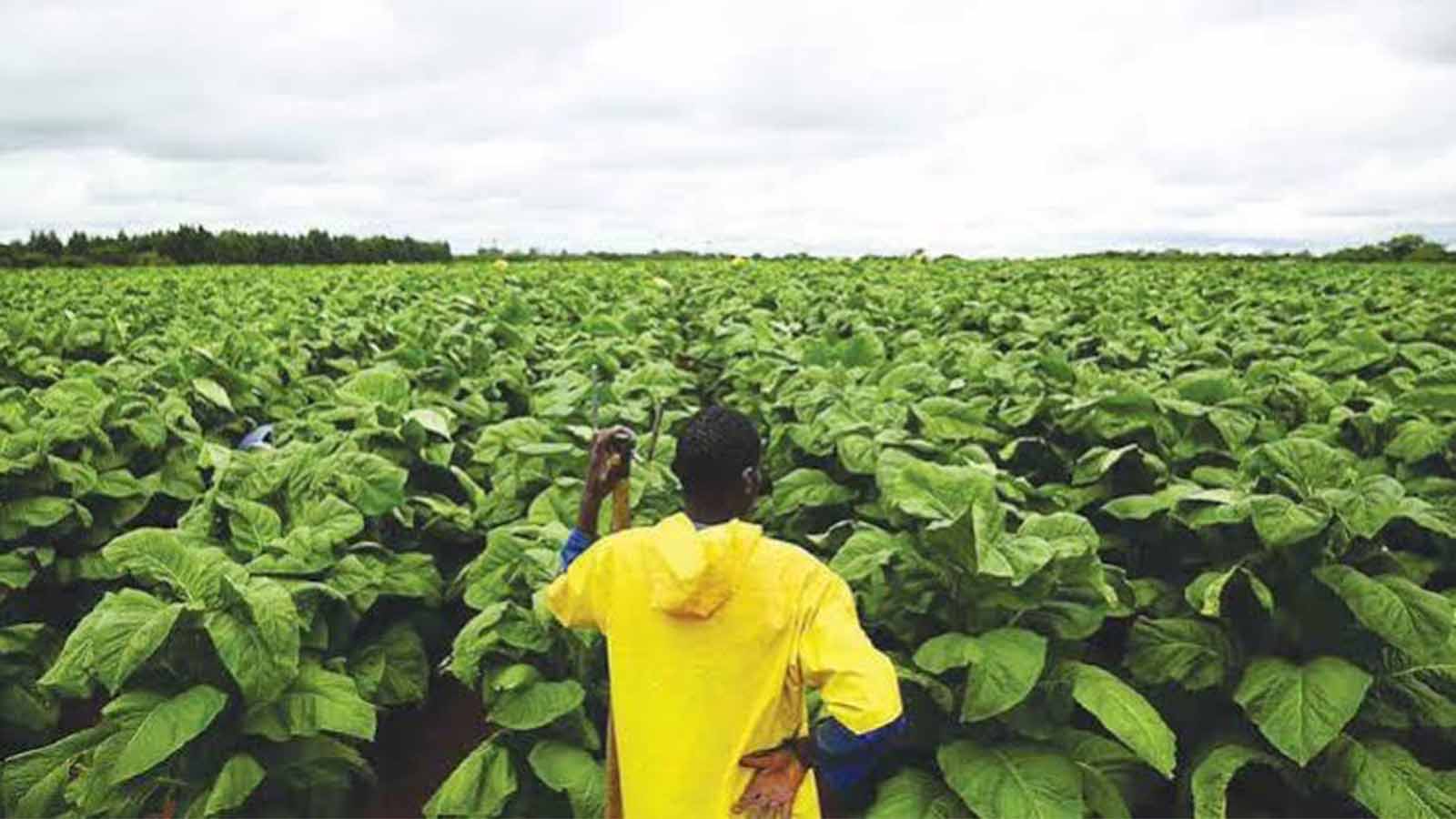
According to the 2012 National Budget statement, and the latest Zimtrade report, exports are mostly composed of unprocessed tobacco, minerals and sugar which are not on the list.
AfDB says clothing, textiles, footwear and leather product industries are in decline with little room for exports. But the canned vegetables market is constrained with Bonnezim, which was the leading producer in the country, already under liquidation.
Finance Minister Tendai Biti said exports are estimated to grow by 30,2 percent in 2011 and a further 15,3 percent in 2012. This translates into total export earnings of US$4,4 billion and US$5,1 billion, respectively.
Main exports remain mineral commodities, tobacco and manufactured products.
Import growth is, however, estimated to decelerate from 23,3 percent in 2011 to 6,8 percent in 2012.
This accounts for total imports of about US$6,4 billion in 2011 and US$6,8 billion in 2012, implying a trade and respective current account deficit of US$2 billion in 2011 and US$1,7 billion in 2012.


 leeroy