admin
admin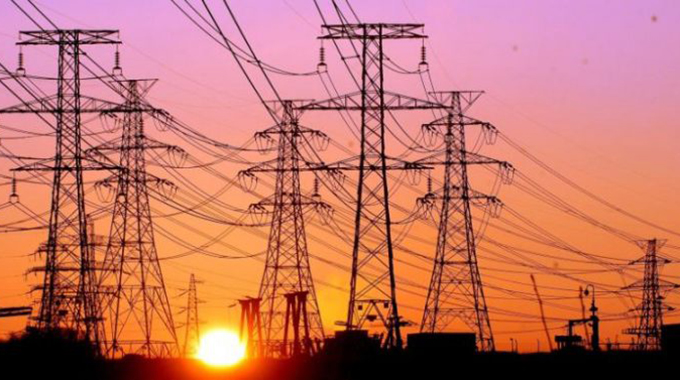
South Africa is planning to scale up its grid capacity as it works to both address the crippling power shortages that have plagued it for 15 years, and also put the country on track to meet its decarbonisation goals.
According to Electricity Minister Kgosientsho Ramakgopa the country will increase transmission lines by 14 218 kilometres (8 835 miles) over in the next 10 years and will seek to boost transformers sixfold by 2033, as it tries to keep up with projected demand from consumers and business.
“That amounts to a 600 percent increase in transmission infrastructure over the next 10 years,” he said at a briefing from Pretoria on Sunday.
The government is already working on three projects that will unleash 2 300 megawatts, which would represent two levels of power-cuts known locally as load shedding. The state is also expediting a further 22 projects, most in the Eastern, Western and Northern Cape that will generate 24 gigawatts by 2033.
“It is just an alteration of the grid configuration, so that it gets to reflect the renewable energy sources and it makes it possible for us to realise that ambition of an energy mix that is biased toward renewables and help us to meet the nationally determined contribution, and also the net zero path,” Ramakgopa said.
The announcement comes after the newly established National Transmission company received the first license from the National Energy Regulator, allowing it to become the system operator for the national grid.
The licensing is another step toward the unbundling of the giant power utility Eskom. The company is still awaiting regulatory approval for its trading, and import and export licenses.
“We are very concerned about that because the NTC needs all three licenses in order to operate” Saul Musker. – Bloomberg.


 Online Reporter