

 Online Reporter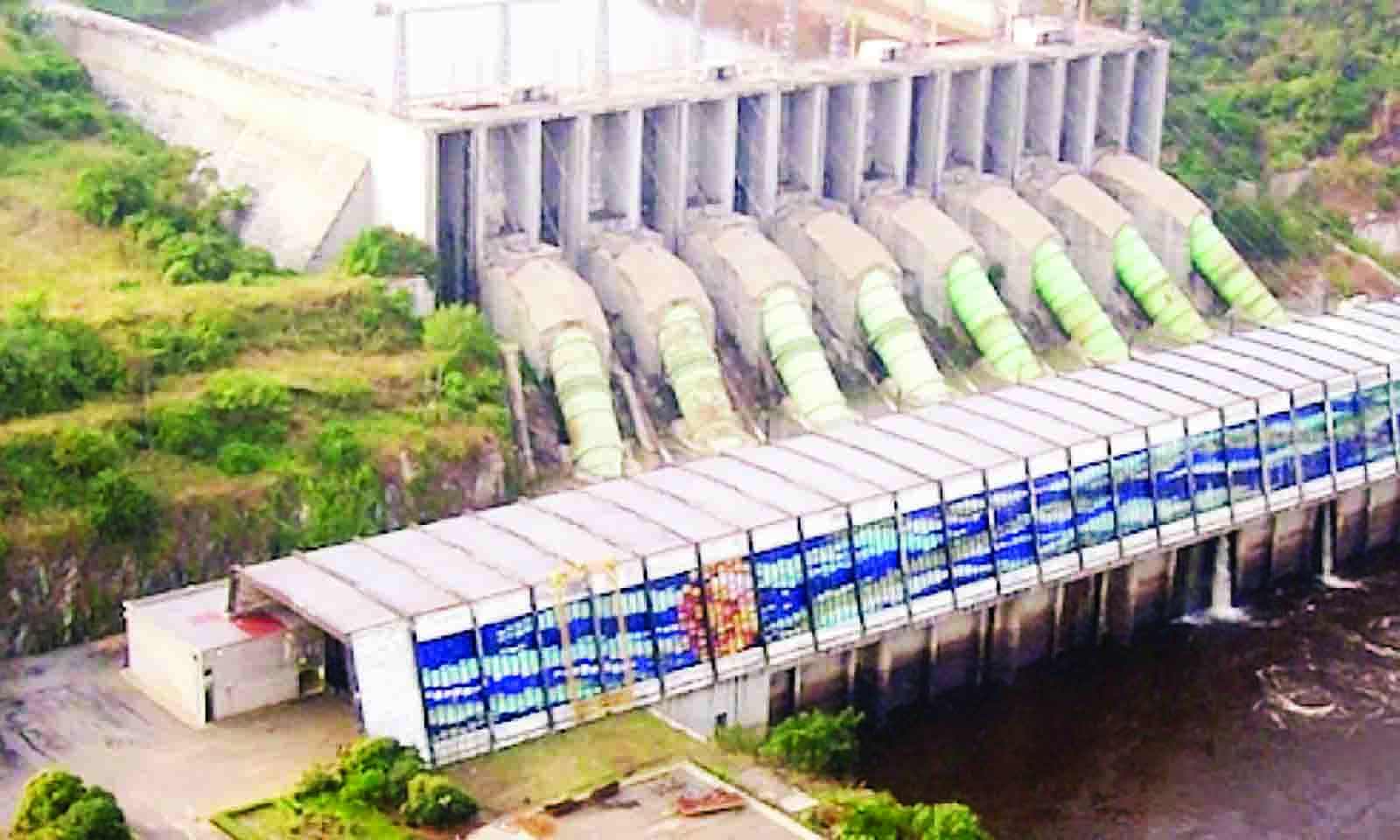
Ivan Zhakata
For decades, the Grand Inga Hydropower Project and the Congo River Water Transfer Initiative have lived in the realm of possibility, grand ideas with the promise to power industries, light up homes and bring water to parched landscapes across Southern Africa.
But at a high-level meeting in Harare last week, that narrative began to shift.
In a room filled with ministers, engineers and regional planners, the mood was unmistakably different: one of resolve, not rhetoric.
And if the momentum sparked here is anything to go by, Southern Africa may finally be ready to flip the switch on some of the most ambitious infrastructure projects on the continent.
“We are here to make history. We are here to make a difference,” SADC Executive Secretary Mr Elias Magosi said.
“The Congo project has been with us for 50-some years. Some of us were born into it. Let us not be talking about it again 10 years from now, we must be implementing it.”
It was a call to action that underlined what was at stake.
The Grand Inga Hydropower Project, situated in the Democratic Republic of Congo, is more than just another dam, it is a potential game-changer.
With the ability to generate more than 40 000 megawatts of electricity, Inga could power entire countries and shift the balance of energy access in Africa.
Mr Docta Muzungu Diakolo, Coordinator of Bi- and Multilateral Cooperation at ADPI-RDC, brought fresh urgency to the conversation and said the long-stalled project was finally breaking ground, figuratively and soon, literally.
“We secured a US$1 million preparatory loan from the World Bank last month,” he said.
“Feasibility studies are already underway. Once they are complete, we move to construction, which will take five to seven years.”
Mr Diakolo described a planned transmission corridor snaking from the Inga site through Zambia, Zimbabwe, Botswana and all the way into South Africa, connecting countries with a reliable energy artery in an era of rising demand and grid instability.
But Inga is not the only project capturing the region’s imagination.
Equally bold is the Congo River Water Transfer Concept, a visionary plan to channel water from the mighty Congo River, Africa’s second longest, to the drier southern parts of the continent.
Engineer Christopher Chisense of the Zambezi River Authority laid out the motivation in hard numbers.
Lake Kariba, which straddles Zimbabwe and Zambia and powers much of their electricity, has been drying up.
“In 2014, Kariba had inflows of over 60 gigahertz. Last year, just 20,” Eng Chisense said.
“This is not sustainable. The Congo River, with its enormous flow, over 1 000 cubic metres per second could stabilise our water security and keep turbines turning.”
He said there was a future where water transfer infrastructure supports agriculture, urban supply and dam operations across borders making droughts less devastating and climate change more manageable.
Dr Patrice Kabeya, SADC’s Senior Programme Officer for Water, tied it all together.
For him, these projects are not about engineering feats but about regional survival.
“These are strategic projects embedded in our water-energy-food security nexus,” he said.
“We cannot continue to treat climate, agriculture, and energy as isolated issues. They are interconnected and our solutions must be, too.”
Dr Kabeya also said that global partnerships were already being tapped to support the vision, including the Saudi-African-Israeli Water-Based Investment Plan and Paris Agreement-aligned climate finance mechanisms.
Even as the conversation turned to clean cooking energy, another regional priority, the overarching message remained the same: it is time to stop talking and start building.
For Mr Magosi, the conversation returned to people, the farmers working one hectare plots, the children studying by candlelight, the families walking miles for clean water.
“When we cluster and invest in our people, we empower them to feed themselves,” he said.
“Governments must stop trying to feed people and instead facilitate production. That is how we grow, how we survive and how we lead.”
The dialogue may have concluded, but for Southern Africa, it could mark the beginning of something far more lasting.
If the promises made last week are kept, and the groundwork laid turned into infrastructure on the ground, the region will not only light up but rise.
After all, as Mr Magosi reminded the room one last time: “We must not let these projects remain stories we tell our children. They must be the foundation we build their future on.”


 Bongani Ndlovu