Chronicle Editor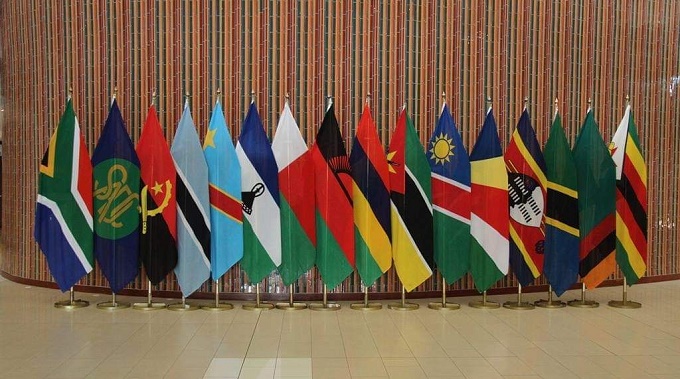
MALAWI, Zambia, Zimbabwe, and Botswana have agreed to scrap mobile roaming charges.
The move comes into effect in August and takes the Southern African Development Community closer to a single digital market.
This means mobile users in Malawi, Zambia, Zimbabwe, and Botswana will no longer be charged extra when they cross borders.
The initiative in the four Southern African Development Community (Sadc) countries is part of a move to create a One Network Area (ONA). An initiative for single digital markets is in place in the East African Community (EAC) too.
Cross-border travellers in Africa generally face high internet and mobile roaming tariffs. Mercy Kachere, a Malawian businesswoman who traverses Zambia, Botswana, and Zimbabwe, believes the move to scrap roaming charges will mean she can stay in touch with her family in Lilongwe while on business trips.
“This is good news to any citizen from these countries. As a business lady, I travel a lot to these countries to procure different goods for my stationery and textile retail shops in my home country Malawi,” Kachere told DW.
She had come to consider high roaming costs as another fixed overhead expenditure.
“I have been subjected to interrupted phone conversations with my family members each time I travel because of the high costs that mobile phone companies charge on mere phone and voice calls, including roaming service,” Kachere said.
“My only request is that it spreads across Africa if communication on the continent is to improve as it affects many business operators.”
For Sam Ndlovu, a manager at a media organisation in Zambia and regular traveller, roaming charges have been excessive.
“At times, you are forced to buy sim cards for networks of the country you are visiting, which turns out to be really expensive,” Ndlovu told DW.
In an interview with DW, Mark Setshwane, the director of business and development for Botswana’s communications regulatory authority, said a single digital market “is quite important for our region in many forms.”
“This is one model of regional integration that we have managed to achieve as Sadc. We are small economies, but there is always power in numbers,” Setshwane added.
Nearly 1,1 billion new unique users must be connected to achieve universal, affordable, and good quality broadband internet access by 2030,” according to a 2019 World Bank/UN Broadband Commission report.
An estimated additional $100 billion would be needed to reach that goal over the next decade. The report also states that connecting the unconnected would also require innovative and alternative solutions to reach the nearly 100 million people living in remote areas, out of the range of traditional mobile networks. — dw.com news


 Online Reporter