Vusumuzi Dube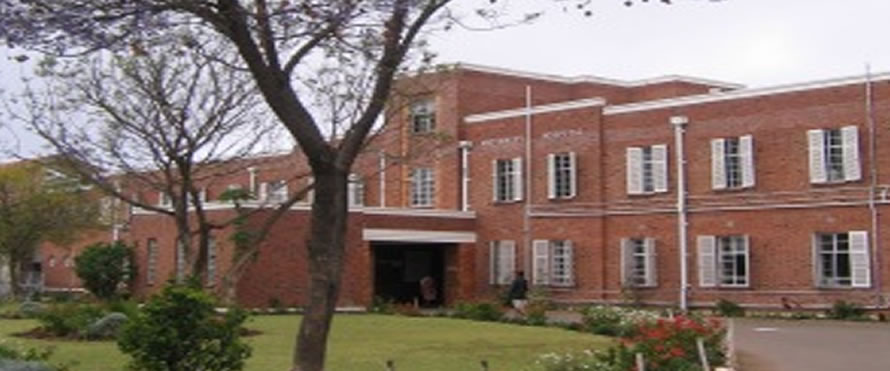
Robin Muchetu, Senior Reporter
PUBLIC health experts have called for the tabling of the fake doctor’s menace on the SADC agenda as the phenomenon is becoming common in Southern African countries posing a risk to the lives of unfortunate patients who meet the bogus characters.
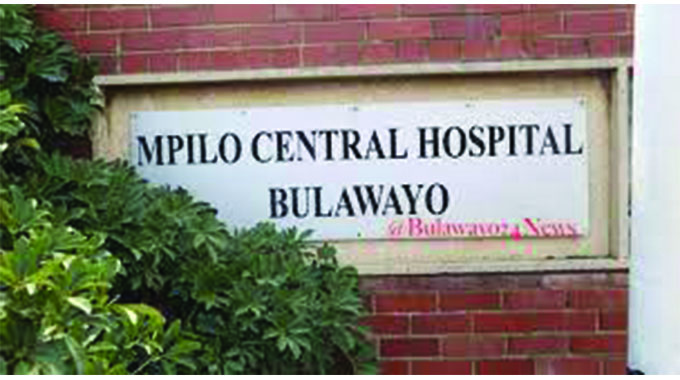
A fortnight ago, a fake doctor Prosper Vanhuvaone was intercepted at Mpilo Central Hospital and reported to have been operating at the institution for two years undetected. Allegations are that he also visited United Bulawayo Hospitals on several occasions and treated unsuspecting patients.
He is the 45th fake doctor nabbed in Zimbabwe after several were caught at Parirenyatwa, Sally Mugabe hospitals over the years.

Mr Lemson Machibiza, the principal Consultant of the African Centre for Global Health Innovation and Research (ACGHIR), a WHO-certified implementation research scientist and public health expert said if unabated, the matter can derail gains made in the public health sector.
“The proliferation of fake health professionals is on the rise in Southern Africa and its high time this is tabled on the SADC agenda. The menace is a serious cause for concern and our central hospitals in Zimbabwe including Mpilo and Parirenyatwa have not been spared. The fake health practitioner’s phenomenon if left unabated potentially derails the health gains the nation has obtained over the years,” said Mr Machibiza.
The public health expert said the imposters clandestine operations from Zimbabwe’s designated highest levels of care is a serious cause for concern adding that the risks associated with fake health professionals can be classified into short and medium to long term.
“The short-term risks include wrong diagnosis, wrong treatment and failure to alleviate patient conditions. Early detection and treatment are the masterstroke for disease burden management. The imposters are a barrier to early detection and treatment. The medium to long-term risks include but are not limited to, worsening of disease conditions, development of resistance attributable to irrational prescribing from the imposters who do not have an appreciation of medical ethics whatsoever and wastage of members of the public hard-earned resources through ‘supposed’ health care expenditure.
“The long-term risks include avoidable increased patient morbidity and mortality leading to reduced productivity negatively impacting the economic growth projections of the country,” he said.

said with menacing global challenges like antimicrobial resistance threatening to render all available anti-microbials ineffective, the proliferation of fake doctors prescribing medication willy-nilly is a nightmare and worrying phenomenon that antagonises all current interventions meant to nip the scourge in the bud.
Drug resistance or antimicrobial resistance (AMR) is when an organism/ pathogen/bug becomes resistant to antimicrobials designed to inhibit or kill them leading to effects like higher medical costs of securing an alternative drug, prolonged hospital stays and even increased mortality.
Mr Machibiza further noted that multi-pronged strategies are essential to nip the scourge in the bud.
“Tailoring interventions for the fake health professionals’ menace on the same framework with the reduction of falsified and counterfeit medicines is key. Interventions should target reducing supply side, utilisation and demand side activities.
“Under supply-side interventions enforcing deterrent sentences on those masquerading as health professionals will send a clear message to would-be offenders. The Health Professions Act (Chapter 27:19), provides for only registered practitioners to carry out health practitioners’ duties and stipulates penalties for impersonation,” he said.
Another public health expert Mr Itai Rusike, Executive Director, Community Working Group on Health (CWGH) also reiterated that the rising numbers of fake or bogus doctors, saying the health and safety of patients is at serious risk.
“We need to have checks and balances in our public health institutions by strengthening the security and monitoring mechanisms. Even though it may be a bit difficult to unmask the fake doctors as identification cards can still be faked, fake doctors are generally uncomfortable around genuine doctors.
“Many of the fake doctors are individuals who may at some point have passed through the same institution hence have some acquaintance with the world of medical practice but may have failed as medical students or may have done some basic medical training,” he said.



 Online Reporter