Online Reporter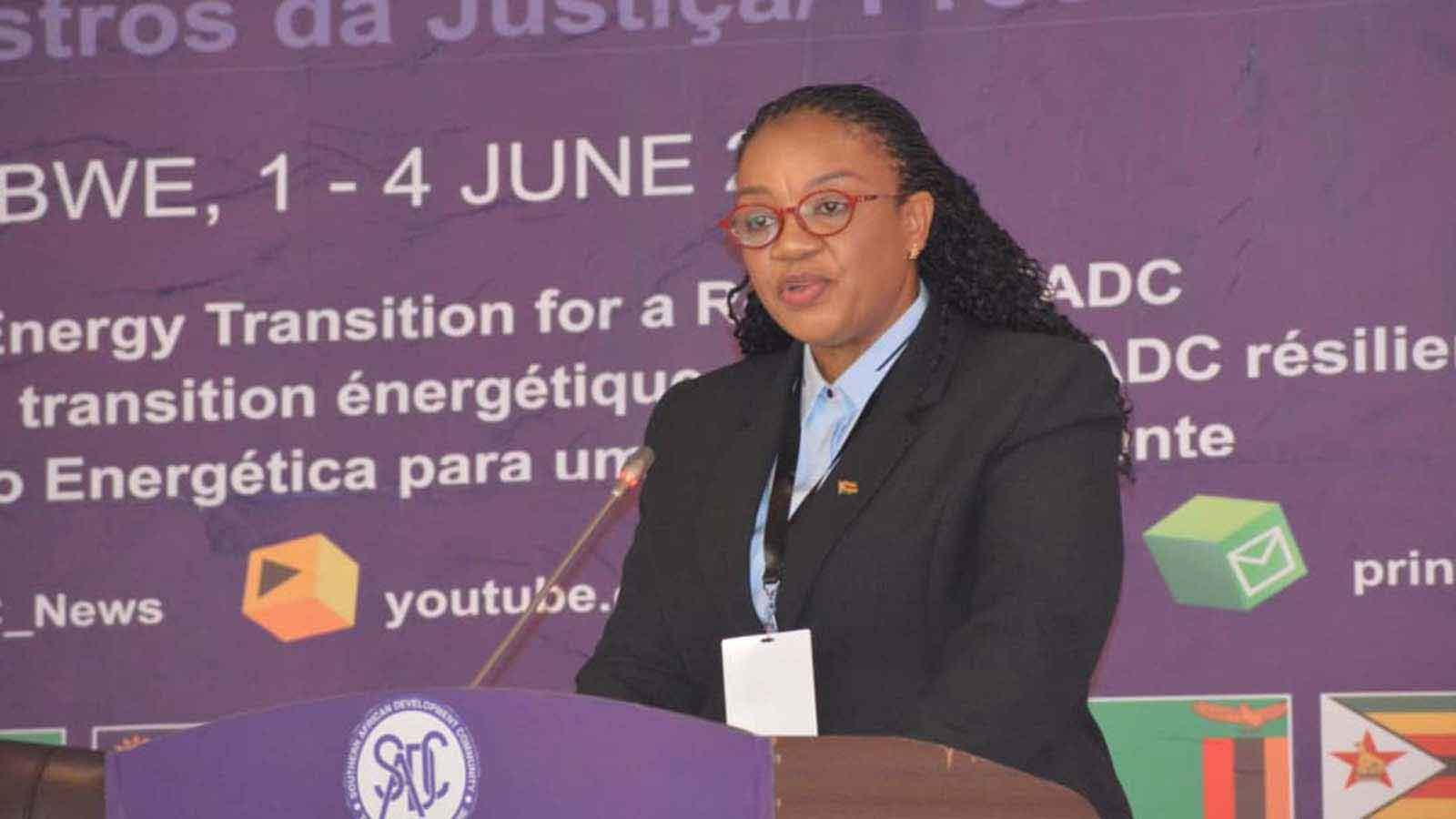
Ivan Zhakata in VICTORIA FALLS
SENIOR legal officials from SADC have recommended amendments to the regional bloc’s treaty aimed at strengthening compliance mechanisms, while advancing key initiatives on pharmaceutical procurement, tourism facilitation and judicial co-operation.
The recommendations were made at the end of a four-day meeting of senior legal officials drawn from Ministries of Justice and Attorneys-General’s offices across the region, which concluded in Victoria Falls yesterday.
Speaking after the plenary session, Permanent Secretary in the Ministry of Justice, Legal and Parliamentary Affairs, Mrs Vimbai Nyemba, said they had completed their technical deliberations and submitted proposals for consideration by the Committee of Ministers.
She said one of the key recommendations relates to amendments to Section 33 of the SADC Treaty, which provides for sanctions against member States that fail to comply with regional obligations, including non-payment of subscriptions for a period of four years and above.
“We proposed amendments to the SADC Treaty, Section 33 thereof, which speaks of the sanctions that are given to a member that is not in compliance with the rules, that has not paid its subscriptions on time for four years or more,” said Mrs Nyemba.
She expressed optimism that the proposals would receive favourable consideration at the ministerial level.
“We believe the recommendations we have made are going to be acceptable to the Committee of Ministers, which is going to sit tomorrow (today)”.
Mrs Nyemba said the officials also considered the draft charter for the establishment of the SADC Pharmaceutical Approved Procurement Services, a regional mechanism intended to facilitate joint procurement of medicines and pharmaceutical products.
She said the initiative, which has been under discussion since 2023 following engagement by Ministers responsible for Health and HIV and AIDS, would enable Member States to pool resources and undertake bulk procurement of medicines.
Mrs Nyemba said this would reduce administrative and procurement costs while improving access to essential medicines across the region.
“When Member States decide to make procurements, they will pool their resources together and make big procurements,” she said. “When procurements are done en masse, you reduce costs of administration and you reduce the cost of the bidding processes by each Member State.”
Mrs Nyemba said the arrangement would also enhance equity in access to pharmaceuticals across SADC.
“We also get the best for the SADC region. We will be almost on equal footing in terms of our medicines and pharmaceuticals. This will assist us a long way,” she said.
Mrs Nyemba said Tanzania has been designated to host the secretariat for the pharmaceutical procurement mechanism because of its coastal location, which facilitates shipment and logistics.
On regional tourism integration, she said officials have also discussed the proposed SADC UniVisa system, which would allow international tourists to access multiple Member States using a single visa.
She said the initiative would strengthen regional tourism and improve revenue inflows.
“This will enhance our tourism and also enhance our financial coffers as a region”.
Mrs Nyemba said tourists would be able to apply for the UniVisa before arrival, enabling seamless movement across the SADC region.
The meeting also deliberated on the status of the SADC Tribunal, which was suspended by the SADC Summit.
Mrs Nyemba said discussions on the future of the tribunal were ongoing, with Member States holding differing positions on its reinstatement.
“We were trying to look into whether it can get back to its feet for the purposes for which it was meant to be. Discussions are still underway. Member States are thinking differently as far as the SADC Tribunal is concerned,” she said.
The recommendations will now be tabled before the Committee of Ministers for further consideration before progressing to higher SADC decision-making structures.