Online Reporter
Richard Muponde
Zimpapers Politics Hub
THE Southern African Development Community (Sadc) Secretariat, working with regional and international partners, has intensified efforts to strengthen disaster risk preparedness and early warning systems across the region amid escalating climate-related emergencies.
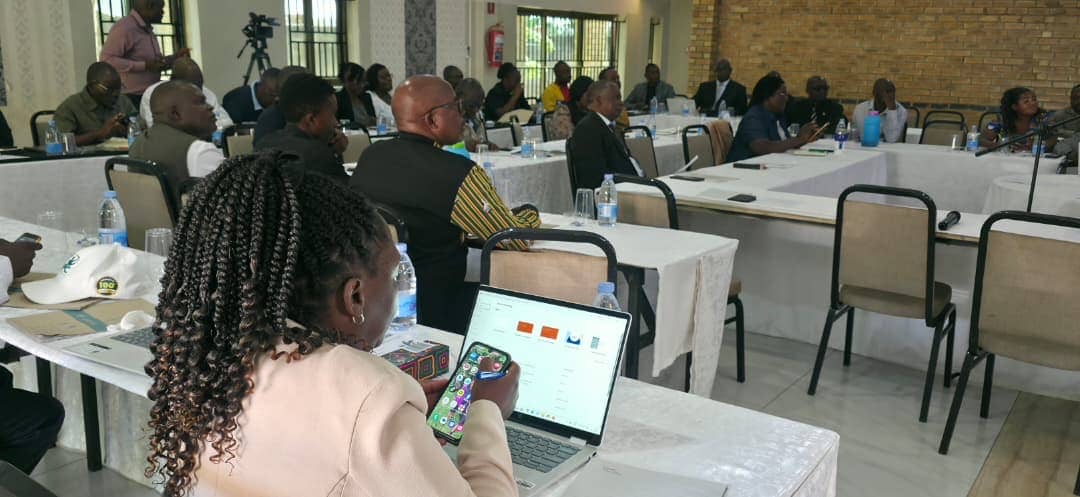
In a statement, Sadc said “despite the postponement of the 4th INFORM Subnational Risk Model Workshop, the Sadc Secretariat, with support from the Resilience Initiative Africa (RIA) programme… successfully conducted a pre-workshop mission from 6–9 February 2026 at the Sadc Humanitarian and Emergency Operations Centre (SHOC) in Nacala, Mozambique.”
An INFORM Subnational risk index shows a detailed picture of risk and its components within a single region or country.
The initiative was supported by the German Government through the Deutsche Gesellschaft für Internationale Zusammenarbeit (GIZ) and focused on consolidating technical groundwork ahead of the full INFORM Subnational Risk Model Workshop.
According to Sadc, the mission brought together a wide range of strategic partners, including UNDP, WFP, MapAction, the African union Commission, CIMA Foundation, Google, Kobo, and the International Federation of Red Cross and Red Crescent Societies from Malawi and Mozambique.
“The mission brought together key partners to strengthen collaborative risk analysis, early warning systems, and regional preparedness,” the Sadc Secretariat said.
The engagement comes at a particularly critical moment for the region. Southern Africa has recently experienced widespread flooding in several member states, while Tropical Cyclone Gezani made landfall in Madagascar, causing significant humanitarian and infrastructure impacts.
Sadc noted that these events underscore “the urgency of coordinated, impact-based risk information and response mechanisms across the Sadc region.”
The INFORM Subnational Risk Model is designed to provide granular, data-driven risk analysis at subnational level, enabling Governments and humanitarian actors to anticipate disasters, allocate resources efficiently, and protect vulnerable communities before crises escalate.
By convening technical experts and humanitarian partners at SHOC, Sadc aims to enhance interoperability among regional early warning platforms and improve the use of shared data for decision-making.
The Secretariat reaffirmed its commitment to regional solidarity, stressing that strengthened collaboration and preparedness are central to mitigating the growing threats posed by climate change, extreme weather events and humanitarian shocks across Southern Africa.