admin
admin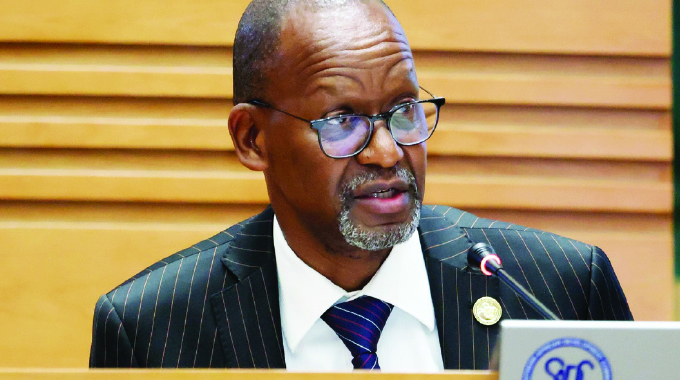
Richard Muponde, Zimpapers Politics Hub
THE Southern African Development Community (SADC) stands at a critical juncture, where the maintenance of peace and stability is not just a lofty ideal but a fundamental necessity for sustainable economic development.
The region has been facing destabilisation fuelled by ongoing conflicts, particularly in the Democratic Republic of Congo (DRC) and Cabo Delgado in Mozambique.
The impact of these conflicts extend beyond their borders, undermining economic collaborations and threatening the socio-economic integration that is essential for regional growth.
The DRC conflict has displaced over 6,4 million people, leading to a humanitarian crisis marked by widespread hunger and a tragic loss of human capital. Women, children, and youth, the backbone of the SADC region, are disproportionately affected, becoming casualties of war and instability.
Similarly, in Mozambique, the insurgency in Cabo Delgado has not only threatened local communities but also attracted the attention of neo-colonialist interest eyeing the region’s vast natural resources ranging from base metals and oil.
The world’s scramble for minerals which are abundant in Southern Africa, has intensified these predatory dynamics.
These conflicts are not merely internal strife; they are exacerbated by external forces where rebels are often sponsored by neo-colonialist entities seeking to exploit the region’s resources.
The competition for resources has made former liberation parties, which historically fought against colonial rule, targets of regime change.
Former liberation movements are viewed as impediments to the exploitation of resources, prompting efforts to destabilise their governance through various means, including political manipulation and economic sabotage.
To counteract this onslaught, the former liberation parties under the Forum of Former Liberation Movements in Southern Africa (FLMSA) have constantly met to exchange notes on how best they can buffer themselves against these post-colonial machinations.
One of the strategies they have come up with is strengthening internal cohesion, enhancing governance structures, and fostering community support.
The former liberation movements are also in agreement for the need to engage in proactive diplomacy, building alliances with sympathetic nations such as Russia and China and organisations such as BRICS to counteract the influence of neo-colonialists.
According to analysts SADC member states need to foster economic growth, prioritise regional unity and collective security to ensure regime stability.
SADC’s proactive measures, including conflict resolution initiatives and economic partnerships, underscore its commitment to maintaining peace and stability.
The organisation has facilitated dialogues and mediated conflicts, recognising that stability is the bedrock of regional development.
The impending elections in Namibia present a pivotal moment for SADC.
A victory for the ruling party, Swapo, would not only reinforce political stability in Namibia but will also serve as a rallying point for the region.
It would signal a commitment to the ideals of liberation and self-determination, ensuring that the region remains coordinated and united against external pressures.
In his address during an extra ordinary meeting of the SADC Ministerial Committee of the Organ (MCO) Troika on Politics, Defence and Security Cooperation at the Parliament in Mt Hampden on Monday, Tanzania’s Foreign Affairs and East Africa Cooperation Minister Ambassador Mahmoud Thabit Kombo said the maintenance of peace and stability was crucial for the development of the region.
“I reiterate my personal commitment and that of the Government of the United Republic of Tanzania in its totality to continue forging closer relations at bilateral, regional and international levels. As we all know, peace and security is a cornerstone of the integration and socio-economic development of our region and of our organisation. We need to remain steadfast in ensuring that it is preserved at all costs,” Ambassador Kombo said.
“Our resolve to maintain a peaceful, stable and prosperous region will not wither and we shall work very closely to bring about more strength to peace and stability in our region.”
He said since assuming the chairmanship of the Sadc Troika in August, Tanzania has been working hard to promote adherence to the principles of democracy and good governance in the region as stipulated in the Protocol on Politics, Defence and Security Cooperation.
“In that endeavour, Tanzania has had an opportunity to lead the SADC observer missions to the scheduled elections in the Republics of Mozambique, Botswana and Mauritius and currently the next following in Namibia,” he said
“I commend all these member states for successfully conducting their elections in accordance with their national legislations as well as revised SADC principles and guidelines governing democratic relations,” he said.
Addressing the same meeting, SADC executive secretary, Dr Elias Magosi, commended efforts being made by regional body and other parties to the conflict in DRC.
“Since the deployment of SAMIDRC in December of last year in support of the armed forces of the DRC and in collaboration with the DRC bilateral partners, the mission has made a significant impact in bringing relative peace and stability within its area of responsibility within North Kivu,” Mr Magosi said
“SAMIDRC deployment remains a critical deterrent against hostile armed forces to safeguard DRC’s territorial integrity. I wish to express SADC’s appreciation to the member states that have contributed troops and resources to SAMI DRC.”
The importance of a stable SADC cannot be overstated.
The control of governments by former liberation parties is essential in guarding against the threats of neo-colonialism and re-colonisation by Western powers.
As the region navigates the complexities of a globalised world, peace and stability must remain at the forefront of the development agenda, ensuring that SADC can harness its vast resources for the benefit of its people rather than succumbing to the machinations of external exploiters.
The path forward lies in solidarity, resilience, and a steadfast commitment to the principles of liberation that once united the region in its struggle against colonialism. — @muponderichard.



 Online Reporter