Online Reporter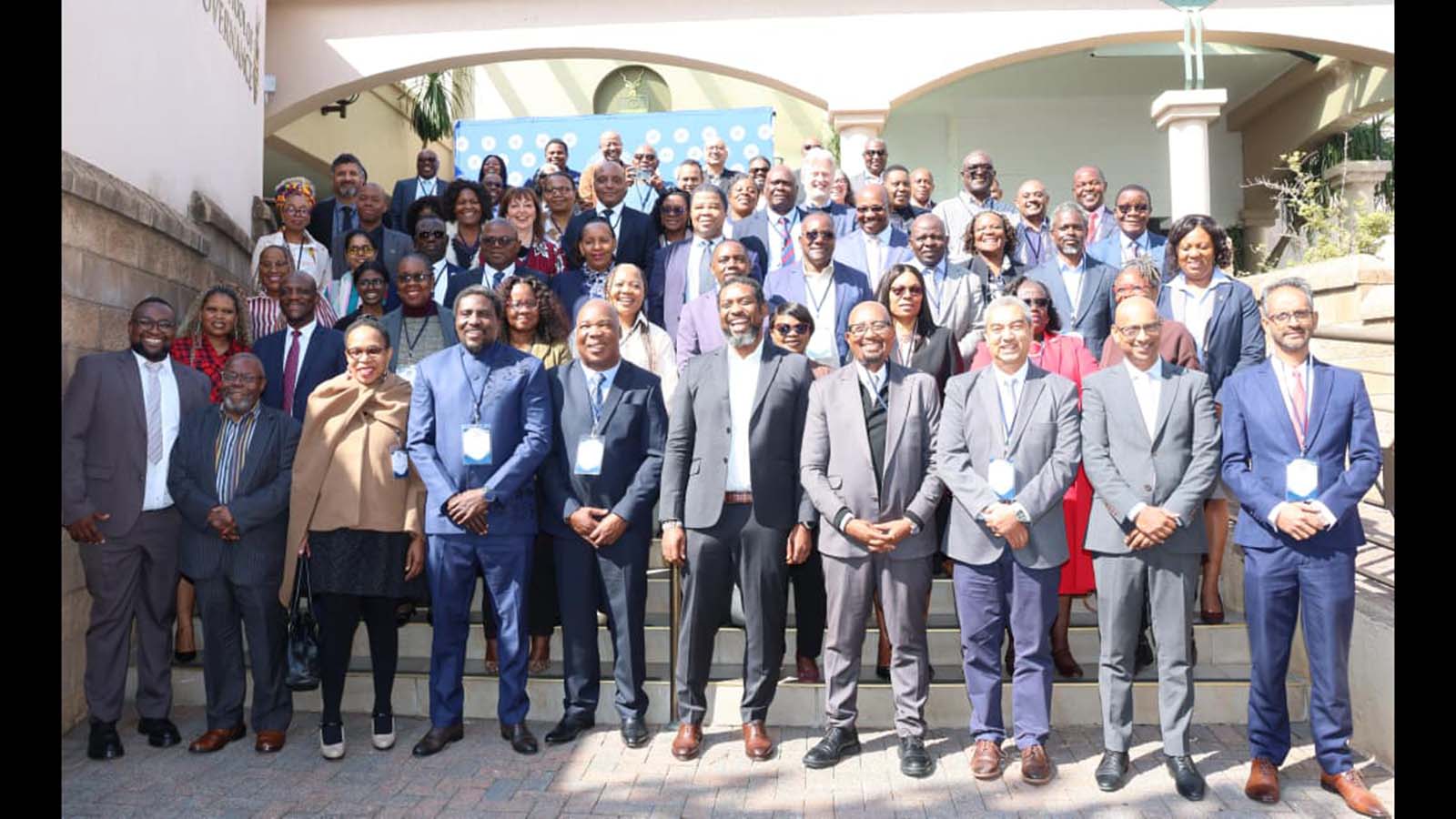
Conrad Mupesa
Mashonaland West Bureau
SOUTHERN African universities must move beyond producing graduates and become engines of industrialisation, innovation and economic transformation, South Africa’s Higher Education and Training Minister Buti Manamela has said.
Speaking at the SADC Vice-Chancellors’ Strategic Meeting in Johannesburg on Monday, Minister Manamela said the region could not achieve meaningful industrialisation while continuing to rely on knowledge and technologies developed outside Africa.
“A region cannot industrialise on borrowed knowledge,” he said.
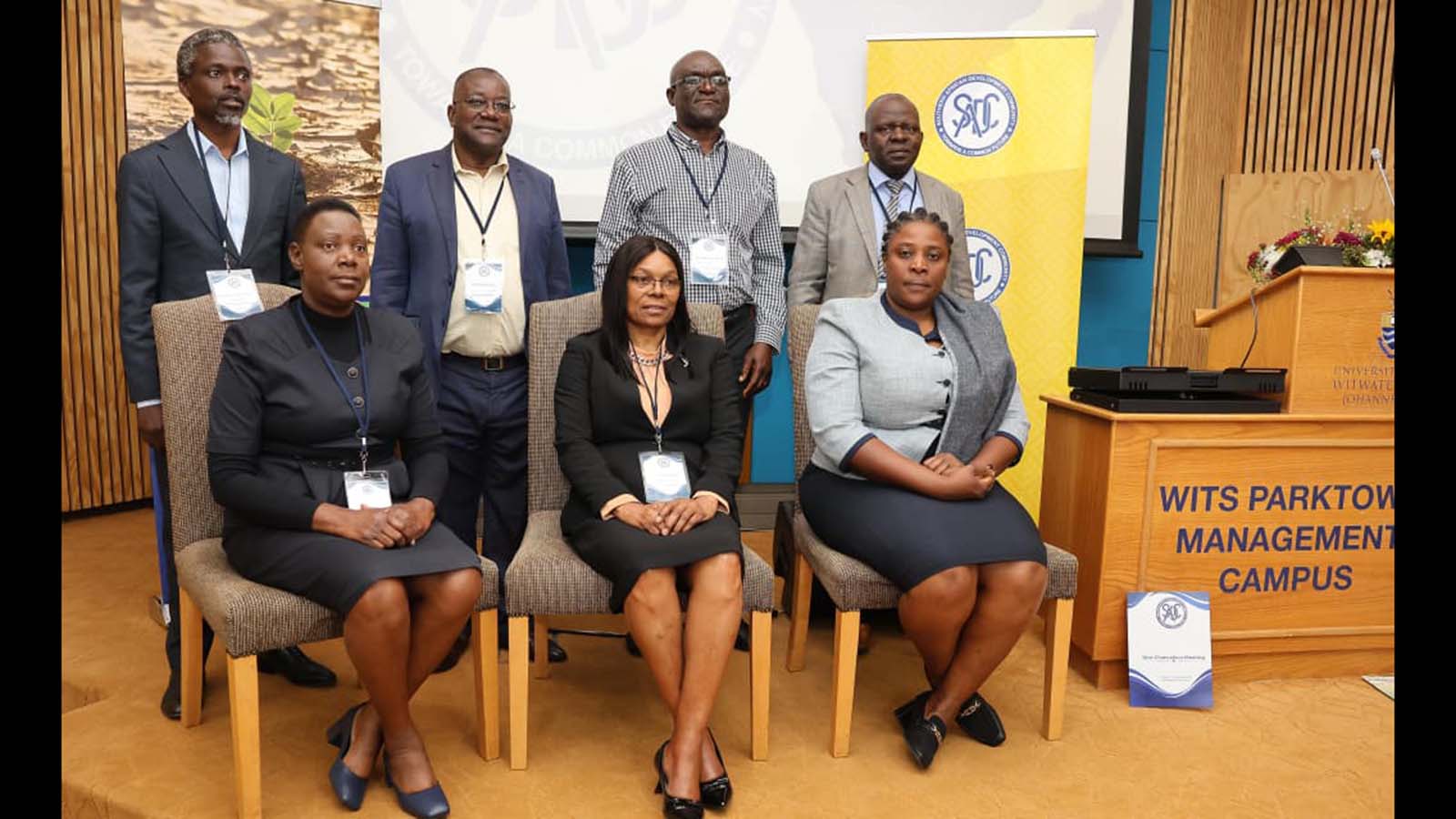
The two-day meeting, which ended on Tuesday, brought together vice-chancellors and higher education leaders from across the Southern African Development Community, including Chinhoyi University of Technology Vice-Chancellor Professor Irvin Mpofu, Government officials and representatives of the SADC Secretariat.
The meeting focused on transforming higher education through regional strategy, digital innovation, data intelligence and flexible learning pathways.
Minister Manamela said universities had to be placed at the centre of the region’s industrialisation agenda as they produced the engineers, scientists, technicians, entrepreneurs and other professionals required to drive development.
“Universities are therefore not observers of regional integration. They are part of its infrastructure,” he said.
The call resonates with Zimbabwe’s Education 5.0 philosophy, which seeks to transform higher education from institutions primarily focused on teaching and learning into centres that also emphasise research, innovation, industrialisation and community engagement.
President Mnangagwa, who is Chancellor of Zimbabwe’s State Universities, has consistently challenged institutions of higher learning to translate knowledge and research into products, services and solutions that address national challenges.]
He has said universities must “produce goods and services” and contribute directly to the country’s industrialisation and modernisation agenda.
Under Education 5.0, universities are therefore expected to move beyond producing graduates for existing jobs and instead become incubators of innovation, entrepreneurship and industrial solutions.
This approach dovetails with the emerging SADC agenda, which seeks to position universities as key drivers of regional economic transformation.
Minister Manamela said Southern Africa still faced challenges in the movement and recognition of qualifications, transfer of academic credits and mobility of students and academics between member states.
“A student can move from one SADC country to another, but too often the credit earned cannot move with them. A qualification may be respected at home but subjected to uncertain recognition next door,” he said.
The meeting considered the proposed SADC Higher Education Strategy, which seeks to establish regional priorities in graduate employability, research, innovation, digital transformation and future skills.
Minister Manamela urged delegates to ensure the strategy resulted in practical programmes rather than becoming another policy document.
“By the time SADC Ministers responsible for Education and Training, Science, Technology and Innovation meet in South Africa in June 2027, we should report more than completed documents.
“We should point to programmes begun, students and academics who have moved, data being shared and research missions producing results,” he said.
Delegates also reviewed progress towards establishing the SADC University of Transformation (SUT).
The proposed institution is expected not to become another conventional university with its own bureaucracy, but to operate as a regional network linking universities, Centres of Excellence, TVET institutions, research councils, industry and development partners.
The network could facilitate joint research, doctoral programmes, digital learning, student mobility, shared laboratories and industry placements across the region.
Its programmes, Minister Manamela said, should focus on strategic areas such as critical-minerals beneficiation, food and water security, climate resilience, energy transition, public health and digital technologies.
The meeting also considered a SADC Higher Education Data and Information System to improve evidence-based planning, institutional benchmarking, quality assurance, student mobility and graduate tracking.
Reliable regional data is essential in determining the skills being produced by universities and whether they match the needs of regional economies.
Micro-credentials and flexible learning pathways were also on the agenda, with discussions covering digital badges, verification of qualifications and alignment with the SADC Qualifications Framework.
SADC has also been working on harmonising qualifications and improving academic mobility through the SADC Qualifications Framework.
The latest meeting comes as universities grapple with the rapid emergence of artificial intelligence, digital transformation, changing labour-market requirements, climate change and increasing demand for lifelong learning.
Minister Manamela said the region risked becoming merely a consumer of artificial intelligence and other emerging technologies unless its universities developed local computing capacity, trusted datasets, cybersecurity expertise, scientific infrastructure, African-language technologies and intellectual property.
The meeting’s emphasis on innovation and industrialisation places universities at the centre of efforts to build a knowledge-driven Southern African economy, with Zimbabwe’s Education 5.0 model providing a practical example of how higher education can be linked to national development.
For SADC, the challenge now is to move from policy commitments to regional programmes that turn university research and innovation into tangible industrial and social solutions.