Online Reporter
ALL is set for the official opening of the Scholastica Expo 2025 today (Thursday) at the Zimbabwe International Conference and Exhibition Smart City (ZICES) in Bulawayo.
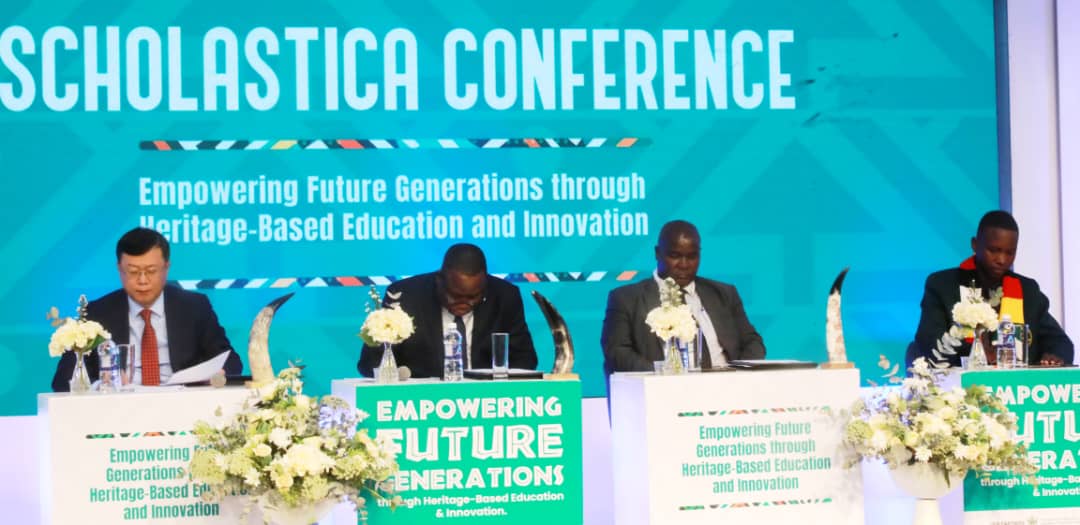
The event, which is the first standalone edition in over a decade, is running under the theme, “Empowering Future Generations Through Heritage-Based Education and Innovation”.
The Expo kicked off on Wednesday and attracted over 5,000 participants from across Zimbabwe, with close to 50 exhibitors showcasing their products and services.
Our Senior Reporter, Sikhumbuzo Moyo and Chief Photographer, Eliah Saushoma will be giving us live updates from the event.
Experts to share insights on bridging skills gap, fostering innovation
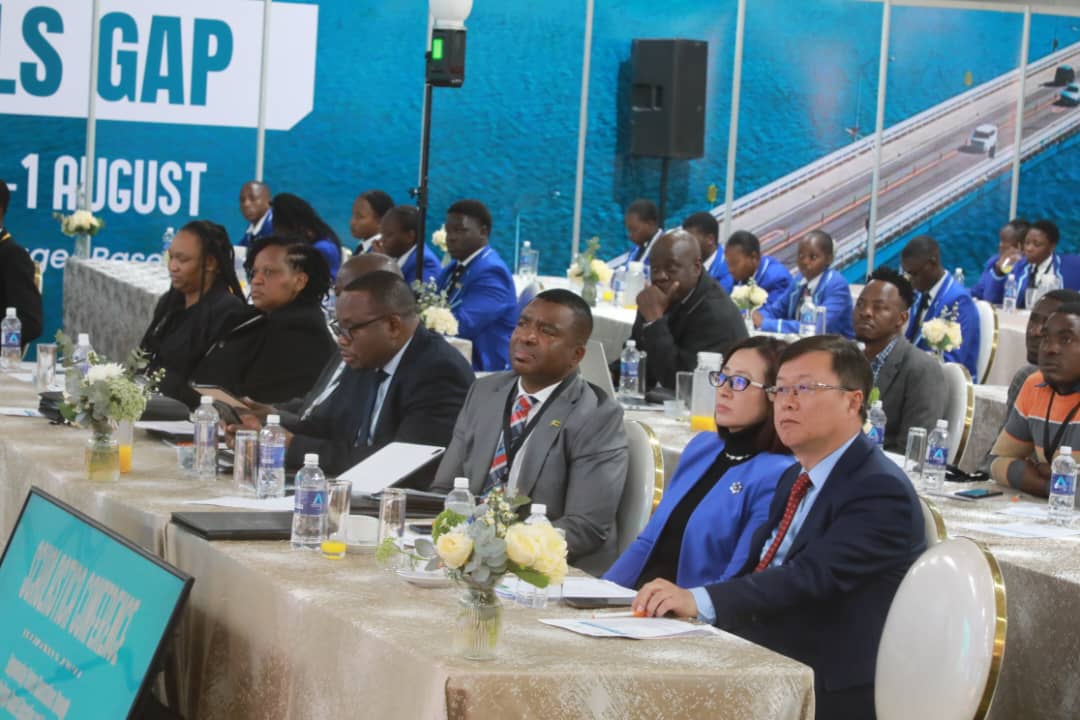
Before the official opening, there will be several high-profile speakers who will present papers on various topics after welcome remarks by the ZITF company chief executive officer, Dr Nicholas Ndebele.
Junior Minister of Education Bonginkosi Lunga will present a paper on the topic ‘Building a Future that Works for Us: A Youth Perspective,’ and soon after her presentation Dr Thomas Utete Wushe, Permanent Secretary in the Ministry of Industry and Commerce will take to the podium to address delegates on the role of Industry and Commerce in shaping Zimbabwe’s future.
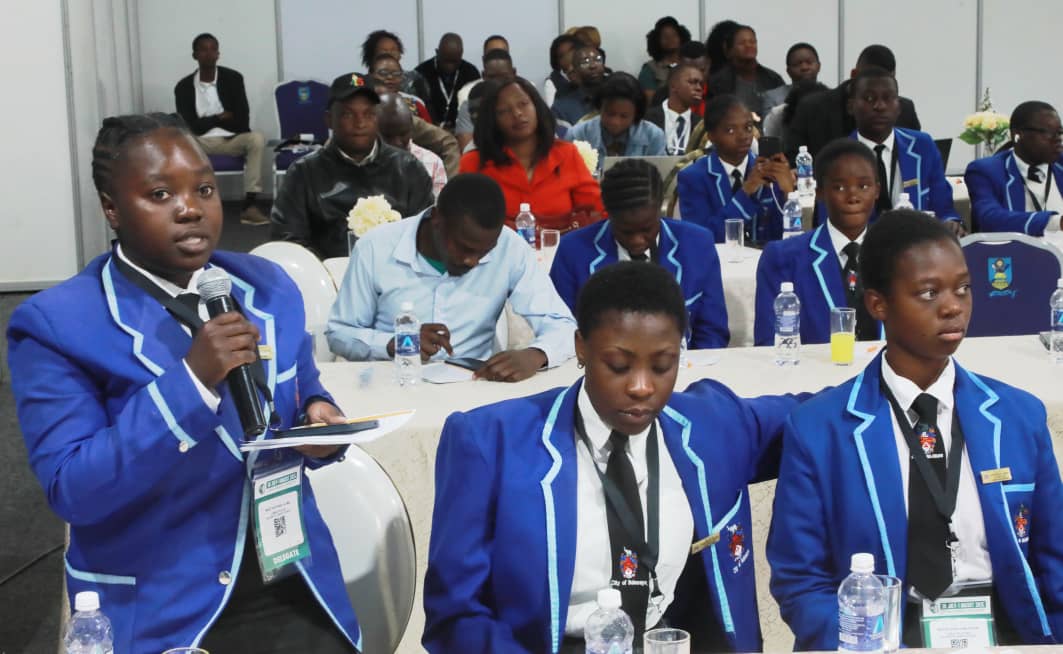
Thereafter, there will be a panel discussion on the topic ‘Developing a Future-Fit Workforce: What Industry Needs Now….and Next.”
Dr Nomathemba Ndiweni, Deputy Chairperson, Public Service Commission (PSC), Professor Eddie Mwenje, Vice Chancellor, Bindura University of Science Education, Dr Busiso Mtunzi, Executive Dean – Faculty of Engineering, National University of Science and Technology (Nust), Dr Cornelius Dube, Chief Economist, Confederation of Zimbabwe Industries (CZI) and Mr Unathi Nyoni, Deputy Board Chairperson, Zimbabwe Youth Council (ZYC) will be the keynote speakers during the panel discussion, set to be moderated by Mr Patrick Maseko an Innovation and Entrepreneurship champion.
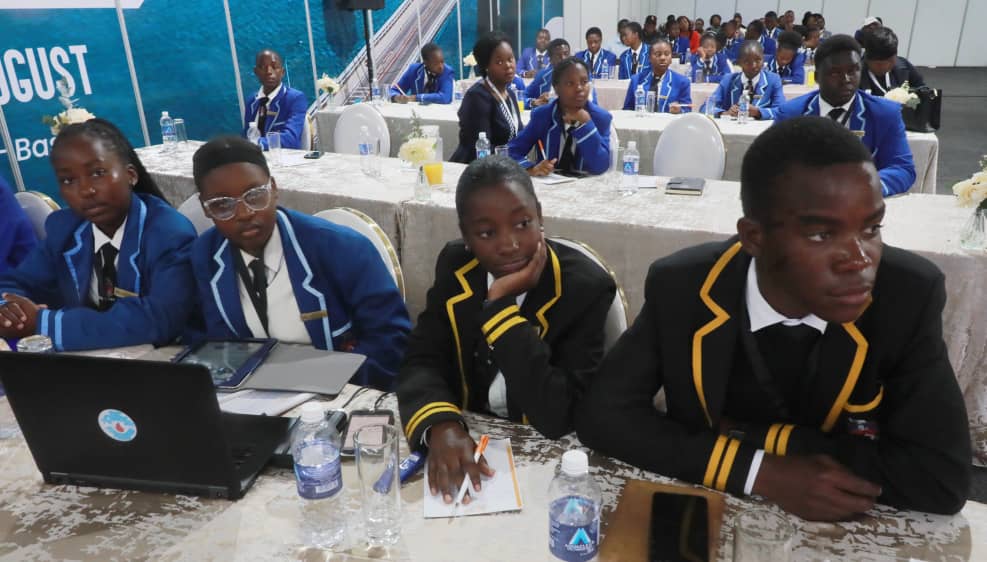
After the panel discussion, Chief Dakamela and Ms Sunga Mzeche will then speak on how Heritage-Based Education cultivates economic resilience before His Excellency Zhou Ding, Ambassador of the People’s Republic of China to Zimbabwe, takes to the podium to present a paper on ‘Fostering Innovation and Talent Competitiveness: Lessons from China’s Education and Industrial Transformation.’
Skills Audit and Development Minister Dr Paul Mavima will be the final speaker, where he will speak on the topic, ‘Bridging the Skills Gap: Aligning Education with Industry Demands: A Policy Perspective.’
“We are the now, not just tomorrow”: Lunga tells youths to rise to opportunities

Youth have been urged to seize the opportunities available to them at the ongoing Scholastica Expo.
The call was made by Junior Parliament’s Minister of Education, Bonginkosi Lunga, during his presentation on ‘Building a Future that Works for Us: A Youth Perspective’ at the Scholastica Conference in Hall Two.
“To the youths present and absent today, I say let us rise to these opportunities, the bridges that connect dreams to reality. When barriers are broken down and doors opened wide, we unlock the potential for every individual, empowering a generation ready to innovate, lead and creating a lasting change,” said Lunga.

He said while President Mnangagwa’s mantra is Ilizwe lakhiwa ngabanikazi balo,’ as youths there is Ilizwe lakhiwa ngabantwana balo.
“We are often referred to as the tomorrow, yet we are the now. But just as the flame does not become a fire on its own as it needs the warmth of older flames to grow. We cannot create on our own as the youths, but we need to help of our elders,” said Lunga.
He said a nation is not built by bricks and mortar alone but by dreams, voices and actions of its children, adding that the youths are the hands that will shape tomorrow.
Zimbabweans urged to embrace culture and heritage as key to meaningful development
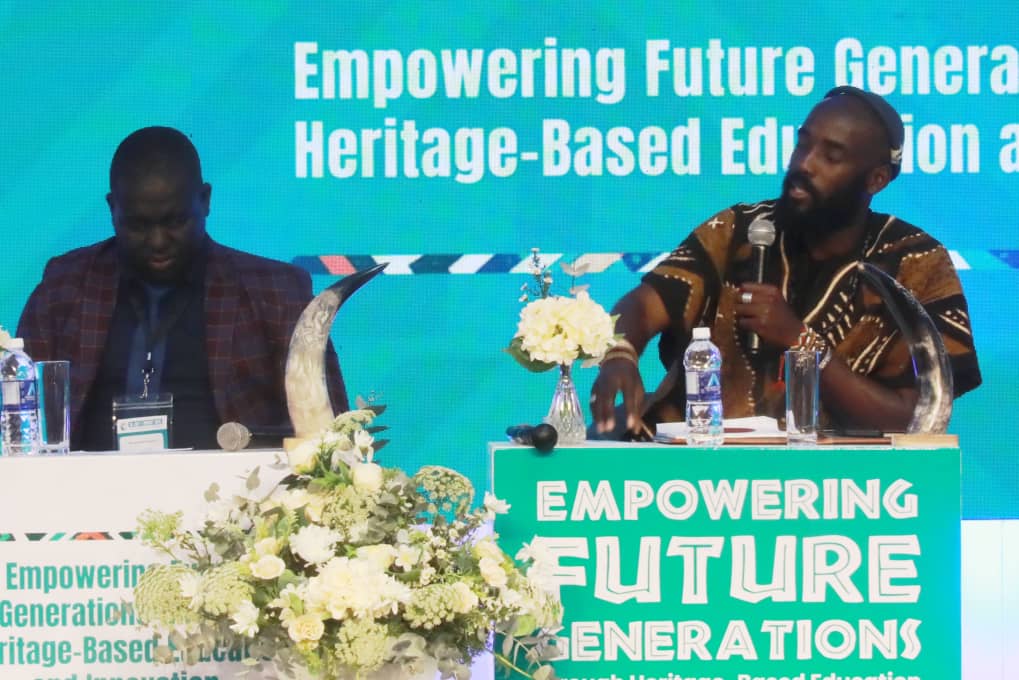
ZIMBABWEANS need to redefine themselves by being proud of their culture and heritage if they are to realise any meaningful development, a traditional leader has said.
Contributing at the Scholastica Conference, which is being held concurrently with the Scholastica Expo 2025, Nkayi’s Chief Dakamela said the country cannot proceed to develop as long as citizens are not defining themselves as to who they are.
The Chief was one of the two panelists on the topic, “Beyond the relics: How heritage-based education cultivates economic resilience.”
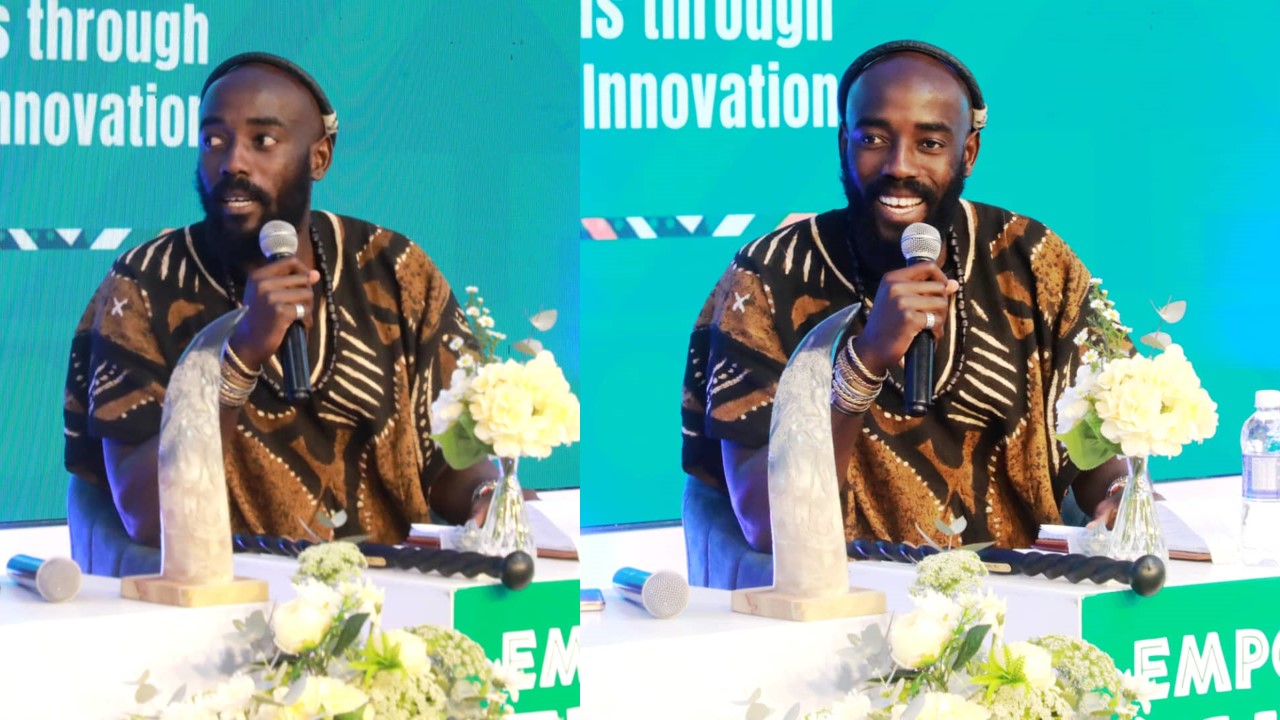
“Other nations like China and Britain are so particular about their culture and heritage, everything they do aligns with their culture, they do not make a mistake about that. If you look at us now, we are presenting on heritage, but look at what everyone is putting on, it’s all because the British invested so much in their heritage and culture,” said Chief Dakamela.
He said there is a need, therefore, to redefine how things are done and that means jealously guarding heritage and culture.
Chief Dakamela expressed satisfaction with the Heritage-Based curriculum, describing it as a good thing that will help in the preservation of the nation’s heritage and culture.
“I am happy that conversations around heritage and culture are starting to emerge because I think that is where we were losing it as a country,” said Chief Dakamela.
China-Zimbabwe strategic partnership fuels Vision 2030 progress through education, industrial innovation
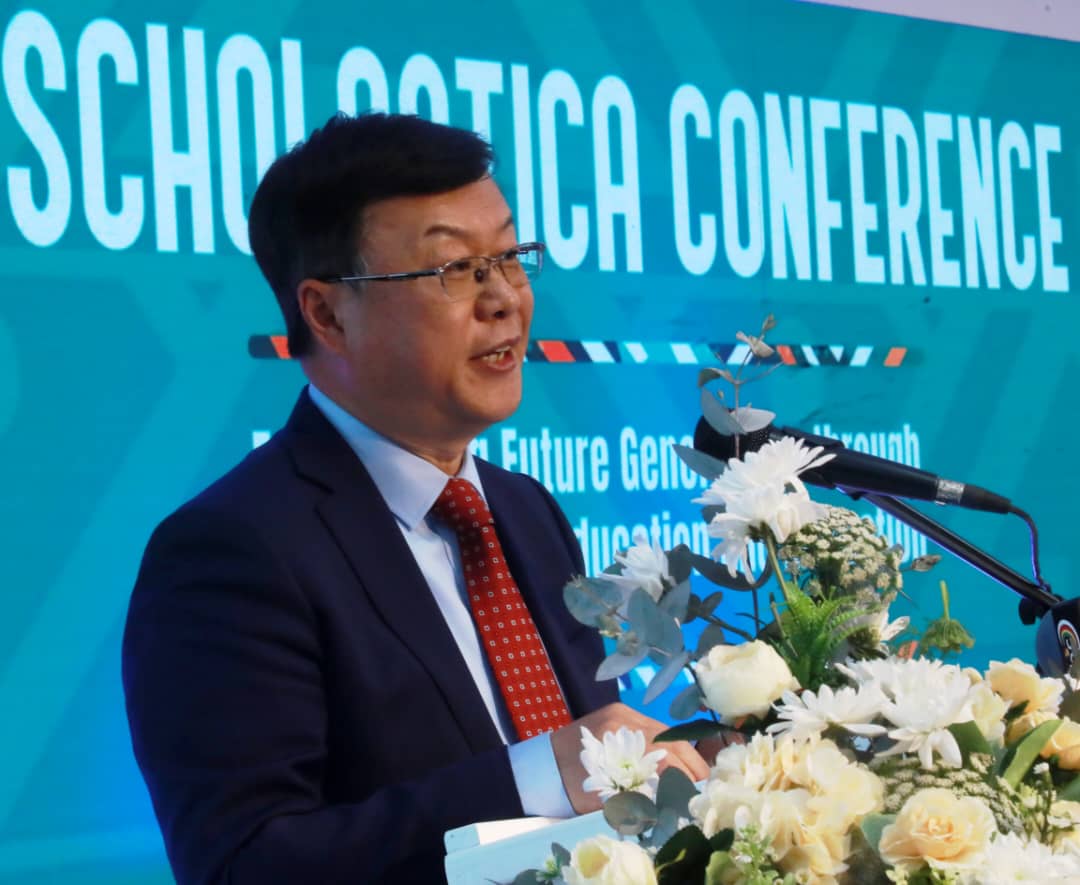
China’s journey to modernisation aligns closely with Zimbabwe’s Vision 2030 and Heritage-Based Education 5.0.
As a strategic partner, China’s development continues to drive Zimbabwe’s progress, boosting momentum in the country’s economy.
Speaking a presentation of a paper on the topic Fostering Innovation and Talent Competitiveness: Lessons from China’s Education and Industrial Transformation at the Scholastica Conference, People’s Republic of China’s Ambassador to Zimbabwe, Zhou Ding said under the leadership of President Xi Jinping and President Mnangagwa, the two countries have proudly witnessed their comprehensive strategic partnership of cooperation blossom into an exemplary model of South-South cooperation.
He said this comes as China actively contributes to Zimbabwe’s education and industrial transformation through three synergistic pathways.
“First, our bilateral cooperation energises Zimbabwe’s development through strategic infrastructure projects. The Hwange and Kariba South Power Stations have reinforced the nation’s energy security, while the modernized Victoria Falls and Robert Gabriel Mugabe International Airports have boosted its global connectivity,” said Amb Ding.
He said the NetOne Broadband Project has accelerated its digital transformation while the High Performance Computing Center has unlocked its technological potential.
The ambassador said the landmark projects have laid a critical foundation for Zimbabwe’s industrialization and modernisation.
“Our partnership strengthens Zimbabwe’s industrial base and workforce through transformative private-sector engagement. Flagship projects-such as the $1.5-billion Dinson Steel Plant, $1-billion Titan New Energy Complex, and multi-billion-dollar Palm River Energy and Metallurgical Economic Zone-go beyond conventional outputs, they generate thousands of skilled jobs and facilitate critical technology transfer, laying foundations for Zimbabwe’s sustainable growth,” said Amb Ding.
He said Chinese technology giant Huawei also acts as a digital enabler with its “Seeds for the Future” programme nurturing the next-generation innovators, its ICT Academies building institutional technical capacity and its ICT Competition sparks excellence in digital skills.
“Furthermore, initiatives like Harare Polytechnic’s partnership with multiple Chinese enterprises and vocational colleges cultivate industry-ready talent through hands-on training. Ultimately, our shared progress is measured not just in tons of steel or megawatts of energy, but in empowered communities, shared knowledge, and transformed lives. Our collaboration nurtures Zimbabwe’s talent ecosystem.
“Guided by the profound Shona proverb – “Dzidzo inhaka yevana” (Education is the inheritance we bequeath our children)-China and Zimbabwe have forged a holistic educational partnership, constructing primary and secondary schools, establishing university facilities, awarding Government scholarships, and fostering university-to-university partnerships,” said Amb Ding.
He said beyond academia, in the past two decades, China’s capacity-building initiatives have equipped over 6 000 Zimbabwean officials and professionals with advanced management and
technical skills yet these were just glimpses of the deepening collaboration between the two countries with new ventures continually taking shape.
Scholastica Expo 2025: A Leap towards Zimbabwe’s Vision 2030

THE Scholastica Expo 2025 has been described as an event that acts as an assurance to Government’s collective commitment to reimagining and remapping Zimbabwe’s educational landscape to meet the demands of a rapidly evolving local and global economy.
In a speech read on his behalf by the Minister of Skills Audit and Development, Professor Paul Mavima, the Minister of Higher and Tertiary Education, Innovation, Science and Technology Development, Ambassador Frederick Shava said the nation stands at a pivotal juncture of being five years away from the climax of the national Vision 2030 strategy.
He said Zimbabwe’s National Development Strategy 1 (NDS1) (2021-2025) places Heritage-based education 5.0 as an enabler to achieve an Empowered and prosperous Upper Middle-Income Society by 2030.
“Our Heritage-Based Education 5.0, which is a transformative philosophy for all levels of education, integrates Zimbabwe’s natural endowments, cultural values, history, and indigenous knowledge systems with STEM fields for the production of goods and services that benefit the nation,” said Amb Shava.
The Minister cited the country’s higher learning institutions that have established Al based platforms that are solving digital challenges and enhancing business operations such as the Reserve Bank of Zimbabwe payment system, Fuel Management system (to combat fuel smuggling) developed by Harare Institute of Technology, the Smart Agriculture platform which connects the farmers to the market and advise on crop diseases and mitigation.
“These innovations are enhancing business operations and the ease of doing business. A good education system produces innovators, entrepreneurs, and solution-providers who can address local challenges with local solutions, ultimately contributing to national development.
“We must teach our youth to appreciate the economic value in our traditions, our natural resources, and our unique cultural expressions,” said Amb Shava.