Online Reporter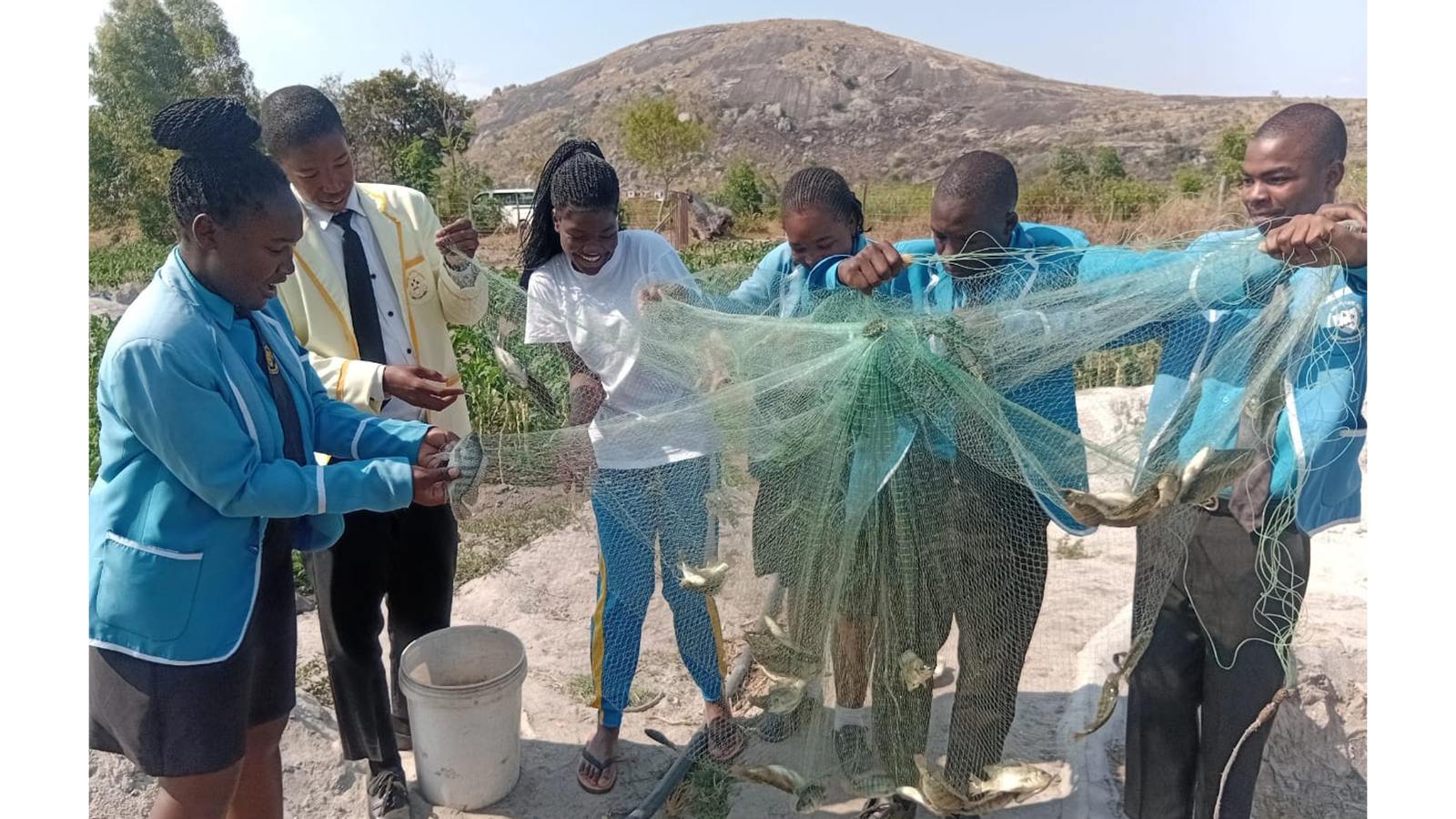
Oliver Kazunga recently in Mutoko
MUNASHE High Private School in Mutoko, Mashonaland East Province is spearheading rural industrialisation through practical education initiatives, in sync with the Government’s Education 5.0 policy and Vision 2030 agenda.
The Education 5.0 model — which focuses on teaching, research, community service, innovation, and industrialisation — has been a key pillar in driving inclusive growth and youth empowerment in rural areas.
Under this education system, learning institutions are expected to become vehicles for transformation, economic empowerment, and self-reliance in Zimbabwe’s rural communities.
And through Vision 2030 that is anchored on the National Development Strategy 1 (NDS 1), a five-year economic blueprint that expires this year and will be superseded by NDS 2 which runs for the next five years starting next year, the Government seeks to attain an upper middle-income society by 2030.
In a recent interview, Munashe High Private School director Mr Archiford Gwangwadze said in line with Education 5.0 policy and Vision 2030 thrust, his institution has implemented a series of projects aimed at equipping learners with industrial skills to foster local economic activity.
The school’s initiatives directly support the national agenda towards a modern, industrialised, and knowledge-driven economy by 2030.
“We are taking Education 5.0 seriously by ensuring our learners attain not just academic knowledge, but skills that allow them to create employment and contribute meaningfully to the economy,” he said.
With a total enrolment of 444 learners, the institution has become a model for integrating production into education through hands-on ventures in poultry farming, fisheries, horticulture, rabbit farming (cunniculture), and sculpturing.
One of the school’s flagship ventures is its fisheries project, which houses over 20 000 fish, providing both learning opportunities and a potential food and income source for the surrounding community.
Mr Gwangwadze said the projects are meant to prepare students for real-world economic participation.
In a unique partnership with the Zimbabwe Prisons and Correctional Services (ZPCS), the school has also ventured into tombstone carving, allowing learners to acquire artisanal skills while engaging in productive collaborations with state institutions.
And beyond education, Mr Gwangwadze has extended his impact to community development.
Recently, he led a philanthropic project to rehabilitate the Mutoko District Heroes Acre where his school carved 74 tombstones of unknown heroes and heroines killed during the liberation struggle in Mutoko.
The initiative is aimed at honouring Zimbabwe’s liberation history and preserving national heritage.
“We believe that education must not exist in isolation.
“Our role extends into the community — and that includes maintaining the dignity of our national monuments,” said Mr Gwangwadze.



 daniel chigunwe