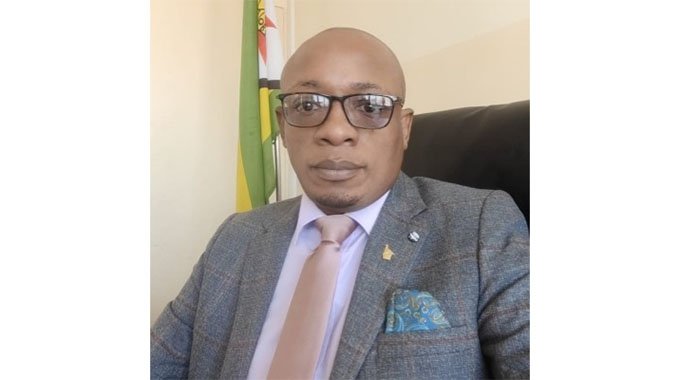
Peter Matika
PUBLIC and private schools that are illegally charging registration and enrolment fees for the first term have been sternly warned by the Government, which has described the practice as exploitative, discriminatory, and a direct violation of standing national education policies.
The warning comes amid rising concerns from parents seeking Grade One and Form One places for their children, many of whom say they are being forced to pay various unapproved fees before their applications are even considered.
Following the release of Grade 7 results last week, reports have surfaced of schools demanding payments ranging from US$100 to as much as US$200 as registration fees, while others reportedly require parents to deposit money upfront as enrolment, administrative, or processing charges.
Some schools are even demanding payment of full fees even before the start of the New Year.
Director of communications and advocacy in the Ministry of Primary and Secondary Education, Mr Taungana Ndoro, said such charges are illegal and that the ministry is prepared to take decisive action.
“No public school is permitted to charge registration or enrolment fees, none whatsoever. Any school found demanding money before a learner is placed will be acting outside the law, and the ministry will institute disciplinary measures.
“Parents must be aware of their rights and report these illegal practices immediately. All fees are applied for and approved through the ministry. We conduct audits to verify and authenticate such funds,” said Mr Ndoro. He said enrolment into public schools is meant to be free, transparent, and guided strictly by official ministry circulars, adding that schools do not have the authority to create their own enrolment charges under any circumstances.
The concerns come as some parents are trying to secure Grade 1 and Form 1 places through both onsite and online application platforms.
However, for many families, particularly those in low-income communities, the process has become not only stressful but financially draining.
Ms Rudo Maphosa of Emganwini, who is seeking a Grade 1 place for her six-year-old son, said some schools are taking advantage of the demand for places to impose unreasonable charges.
“We are being told to pay just to submit an application. It is not officially called a registration fee, but the message is clear: no payment, no consideration,” Ms Maphosa said.
“For parents like us who are struggling with fees, uniforms, and transport, these additional charges are unbearable. It feels like only those who can pay are being prioritised.”
Another parent expressed frustration as he tried to secure a Form 1 place for his niece.
“It has become a form of extortion. Parents are afraid to complain because they fear their children will be disadvantaged. Schools know this, and they are using it to their advantage. The Government must intervene before this becomes the norm,” said a parent.
Other parents pointed out that the increasing monetisation of the enrolment process is undermining fairness and placing disadvantaged families at a significant disadvantage. Some said the pressure is even greater at private schools, where parents feel compelled to comply with requests just to improve their child’s chances.
Mr Ndoro said that genuine school development levies can only be introduced after learners have been successfully enrolled, through a proper School Development Committee (SDC) process, and with documented approval from parents.
“Schools must follow the law. No development levy can be demanded at the point of application. Any financial contribution must be transparent, approved by parents, and paid after a learner is admitted, not before,” he said.
Mr Ndoro urged parents not to yield to pressure or coercion, insisting that the ministry is committed to protecting learners’ constitutional right to education. He encouraged parents to make full use of the ministry’s digital application platforms, saying the system is designed to promote fairness.
“Placement is merit-based and not influenced by unofficial payments,” he said.
As the rush for placements continues, the Government has reiterated that it will not tolerate any form of financial gatekeeping in public education. The Government’s recent move to decentralise the registration of primary and secondary schools is a significant and timely intervention that promises to restore order, strengthen accountability, and enhance quality in Zimbabwe’s education sector.
The announcement came at a moment when the nation is grappling with a critical shortage of schools and a growing number of illegal institutions.
Zimbabwe has long prided itself on high literacy levels and a strong tradition of valuing education. Yet, beneath this reputation lies a system increasingly stretched by surging demand and limited infrastructure.
With a national deficit estimated at between 1 900 and 2 000 schools, the pressures on families— particularly those in rural areas—are tangible and often painful.