


 malvernmugadzikwa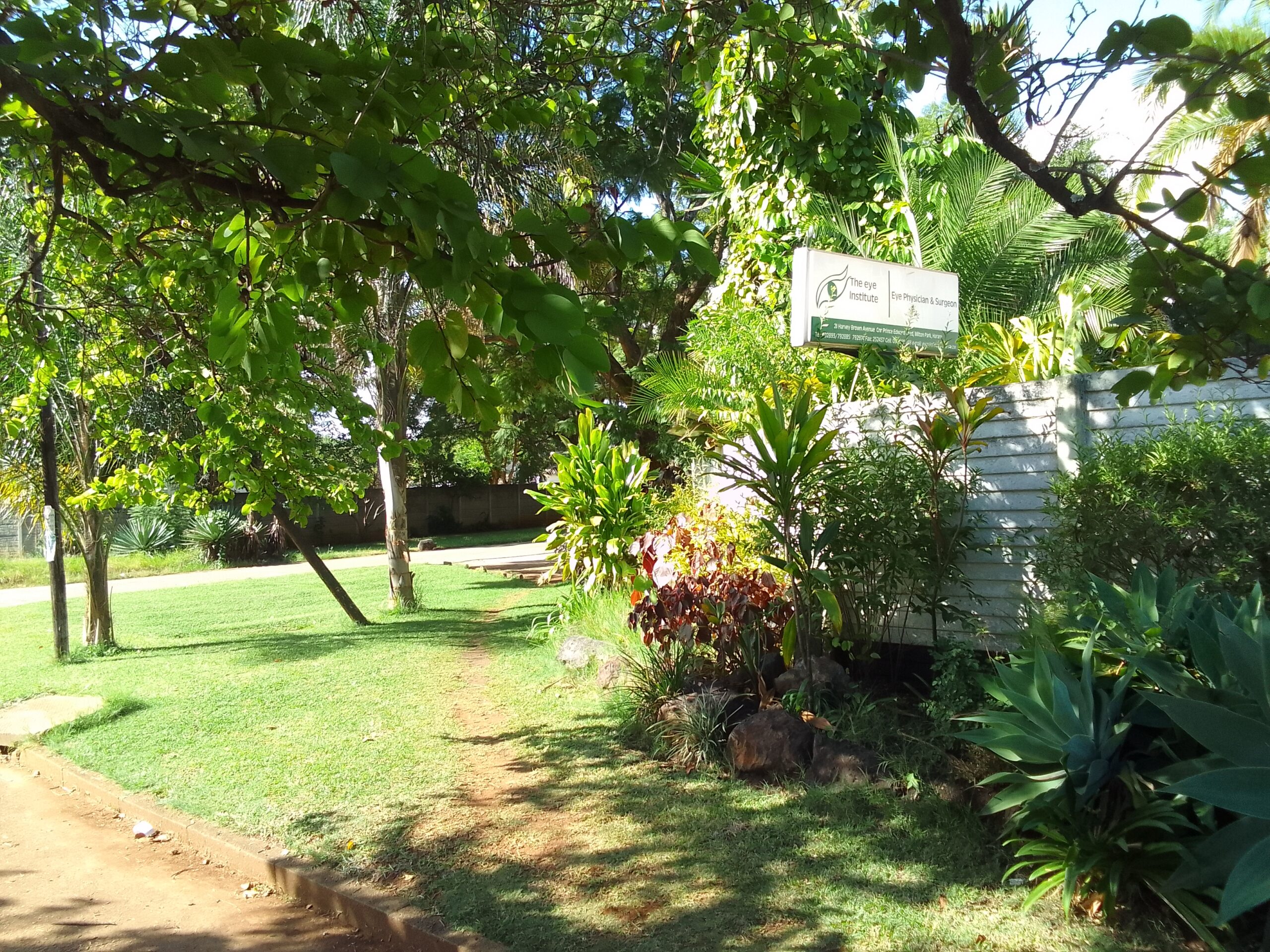
Andrew Mangwarara
VISITING the Eye Institute in Milton Park, Harare, was an eye- opener for me.
Those in charge of the facility have used sculptures to transform the surrounding garden into an ideal place for their patients to relax amidst an array of colourful plants.
The institute is the brainchild of Dr Ronald Mhizha. It was opened in 1998 with the vision to promote affordable eye care to locals.
I feel sculpture has a great role to play in both indoor and outdoor settings, and can blend well with greening efforts. Such artefacts can be made out of various materials, for example, wood, stone or metal.

Though their subject matter differs, they usually reflect a certain social spirit of the times. So, sculptures can be positioned in specific locations to tell a particular story.
This art form can be figurative or abstract.
A figurative sculpture is clearly derived from a real object, for example, an actual animal or plant. ‑On the other hand, abstract sculpture does not represent a specific subject. It can be used for symbolic meaning.
Garden sculpture can be used to express a trend or characteristics of a certain time. It can even be used to express feelings of the garden landscape.

A sculpture can serve as a symbol of a city or even an era.
One needs to choose the location or positioning of the sculpture carefully as this determines how it eventually expresses itself.
Be prepared to move it around at first until you find a perfect spot, where there is enough space, light and visibility. Also, consider how it relates to the topography and other existing features.
If your intention is to let the sculpture speak, then do not use a lot of bright-coloured plants nearby as they will act like a distraction.
Sculpture can also be used to enhance a landscape in other ways, especially in combination with features such as ponds or rockeries.
In choosing a piece, always consider the proportion, that is, its size versus that of the garden.
Do not use a piece that is too small or too large as it can either get lost in the landscape or become disturbingly visible.
Also, try to match the sculptures with the colours in the garden, whilst creating some dialogue between the two.
It is also wise to use a sculpture that symbolises or represents something that relates to the plants. Choose pieces that can change in colour as the seasons pass.
If you would like to be featured in our green-up campaign, contact us on the number above. Feedback: [email protected]



 Bongani Ndlovu
 Online Reporter