admin
admin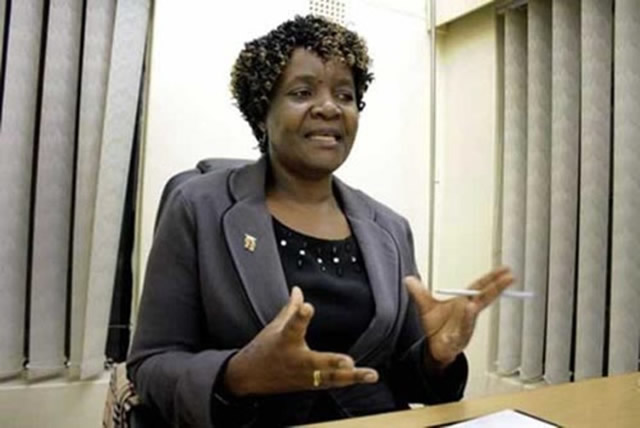

Noble Ncube Business Reporter
THE Government has said the second tranche of the Distressed and Marginalised Areas Fund, which is still under discussion with possible financiers, will target companies that will add value to primary products and create employment.
Value Addition and Beneficiation is one of the four clusters listed in the country’s economic blue print, Zim Asset. In a written response to questions, Permanent Secretary in the Ministry of Industry and Commerce Mrs Abigail Shonhiwa said it was Government’s target that the money be used to benefit companies which will improve the economy through beneficiation.
“It is expected that Dimaf 2 will address lessons learnt from Dimaf 1 and ensure that the facility benefits those sectors which add value to primary products and create employment in the process,” she said.
Mrs Shonhiwa said Government was engaging interested financial institutions among them Old Mutual to map out
terms of agreements for the release of Dimaf 2.
“We further note that negotiations are ongoing regarding the terms of the agreement of Dimaf 2.”
She said among the discussions were the issue of applicable interest rates and selection criteria for beneficiaries.
“Dimaf 2 is also expected to address Non-Performing Loans and corporate government issues by introducing a Business Advisory component to the facility,” said Mrs Shonhiwa.
Dimaf 2 is part of Government efforts to mobilise a rescue package for ailing companies following the first such programme five years ago.
Dimaf, a targeted $40 million facility was first introduced in 2010 during the time of the Inclusive Government to help companies retool while disbursement started in 2011. Government and Old Mutual were supposed to inject $20 million each but Government struggled to meet its end of the agreement. Since 2011, 48 companies, about half of them from Bulawayo, have received loans worth $28 million from the fund.
Companies hardest hit by the economic challenges of the past decade were mainly located in Bulawayo, once the country’s industrial hub that employed thousands of people. However, Dimaf continues to be a contentious issue with some companies in the designated areas complaining that accessing the fund was almost impossible.



 Online Reporter