Online Reporter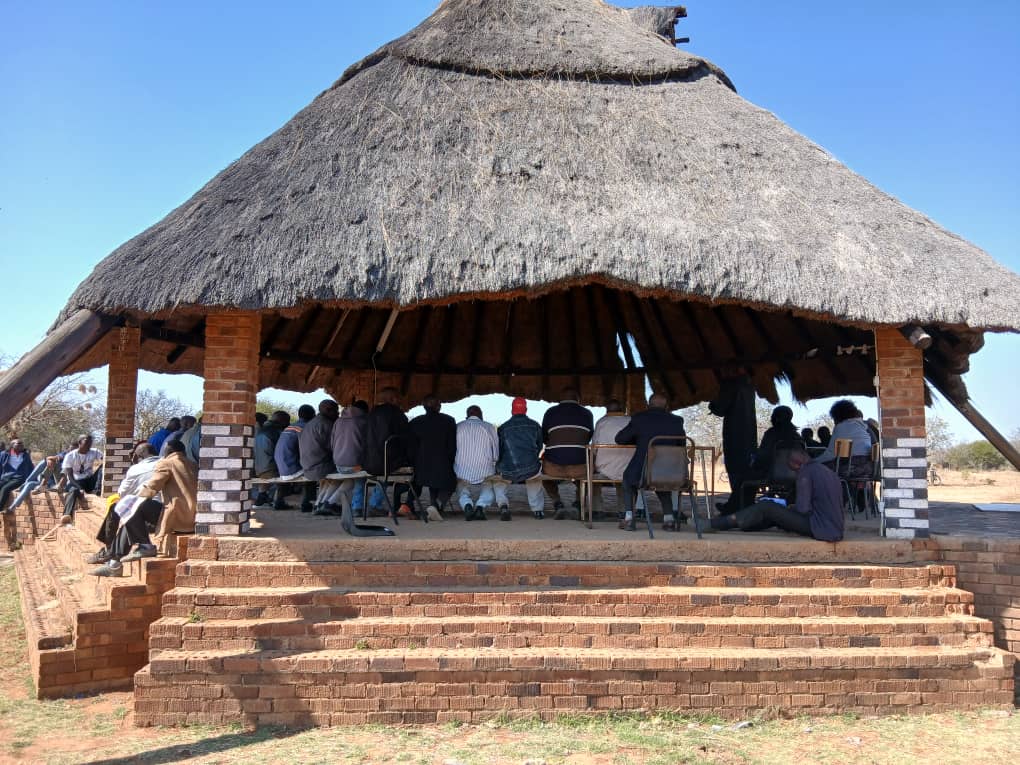
Mthabisi Tshuma, [email protected]
FOR years, the Masendu Cultural Centre in Bulilima District stood as a symbol of broken promises. Grass grew where people once gathered. Thatch roofs that had sheltered cultural activities began to collapse. The main arena deteriorated, while a place that was once filled with music, dance and community life slowly fell silent.
Many residents watched with disappointment as the centre, which had been built to celebrate and preserve local culture, gradually turned into an abandoned facility.
Today, however, there is renewed hope.
A community-led effort involving local residents, traditional leaders, government officials and the area’s Member of Parliament, Cde Dingumuzi Phuti, is underway to restore the Masendu Cultural Centre and bring it back to life. More importantly, stakeholders say they want to ensure the centre never falls into neglect again by placing ownership firmly in the hands of the community.
If successful, the project could transform the facility into a thriving cultural and economic hub for Bulilima and surrounding areas.
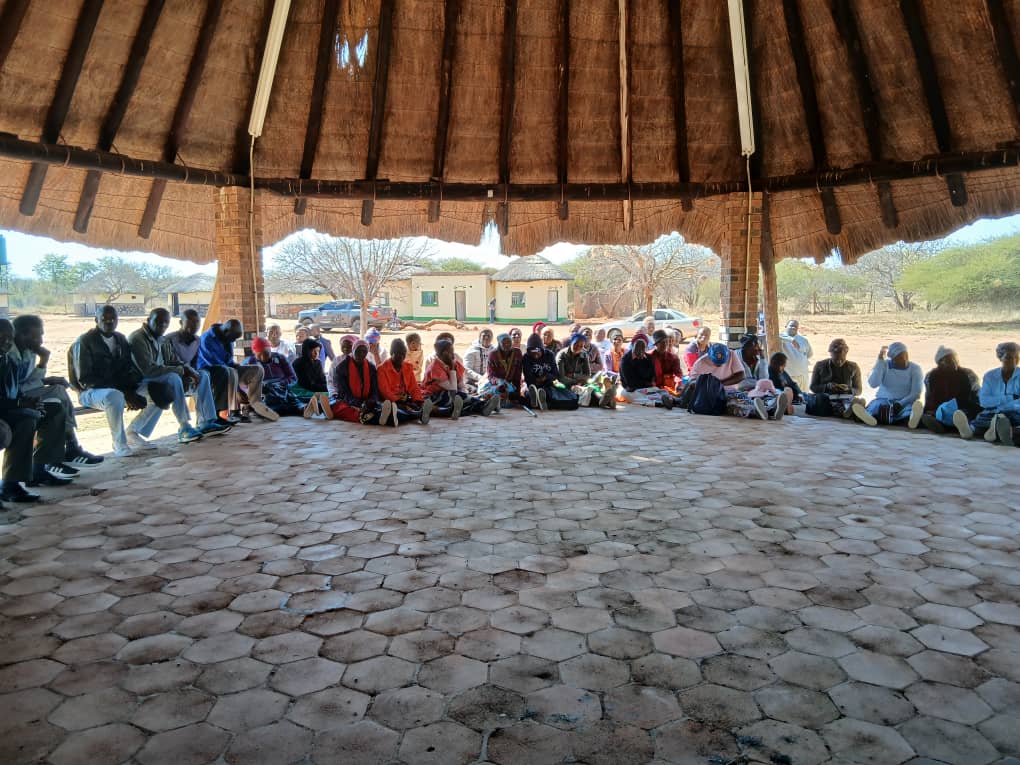
The revival is expected to begin in earnest with a major cultural festival scheduled for September, the first significant event to be held at the centre in more than a decade.
For many people in the area, the festival will mark the beginning of a new chapter.
When the centre first opened, it carried enormous expectations. It was designed to be a place where artists could showcase their work, musicians could perform, and communities could gather to celebrate their heritage.
It was also intended to play a key role in preserving Kalanga culture, one of the district’s most important cultural identities.
For a time, that vision became a reality.
Traditional performances, cultural gatherings and community activities gave the centre life and purpose. It became a place where people met, shared ideas and celebrated their traditions.
But sustaining the facility proved difficult.
Without consistent funding and strong structures to support its operations, maintenance work gradually declined. Buildings were neglected and activities became less frequent until eventually the centre was no longer serving the purpose for which it had been built.
The decline was particularly painful because many residents understood the importance of having a dedicated space where culture could be preserved and passed on to younger generations.
Across Matabeleland South, communities continue to rely on language, storytelling, dance, music and traditional crafts to preserve their identity.
These traditions carry history, values and knowledge that cannot easily be replaced.
As older generations pass on, many communities face the challenge of ensuring that traditional skills and cultural practices are not lost.
This is one of the reasons why the resurrection of the Masendu Cultural Centre is generating so much interest.
Supporters believe the facility can once again become a home for cultural learning and creativity.
Young people could learn traditional dance and music. Skilled craftspeople could teach weaving, beadwork and woodcarving. Local poets and musicians could perform in indigenous languages and share stories rooted in their communities.
Rather than culture being confined to history books, the centre could help keep it alive and relevant.
The renewed initiative is also focusing on economic opportunities.
Plans are already being discussed for workshops, youth arts programmes and small business activities that can help generate income while keeping the facility active throughout the year.
Organisers believe that giving people practical reasons to use the centre regularly will help ensure its long-term survival.
Unlike in the past, when the centre relied heavily on outside support, the current approach emphasises community ownership and participation.
Stakeholders argue that lasting success can only be achieved if local people see the centre as their own.
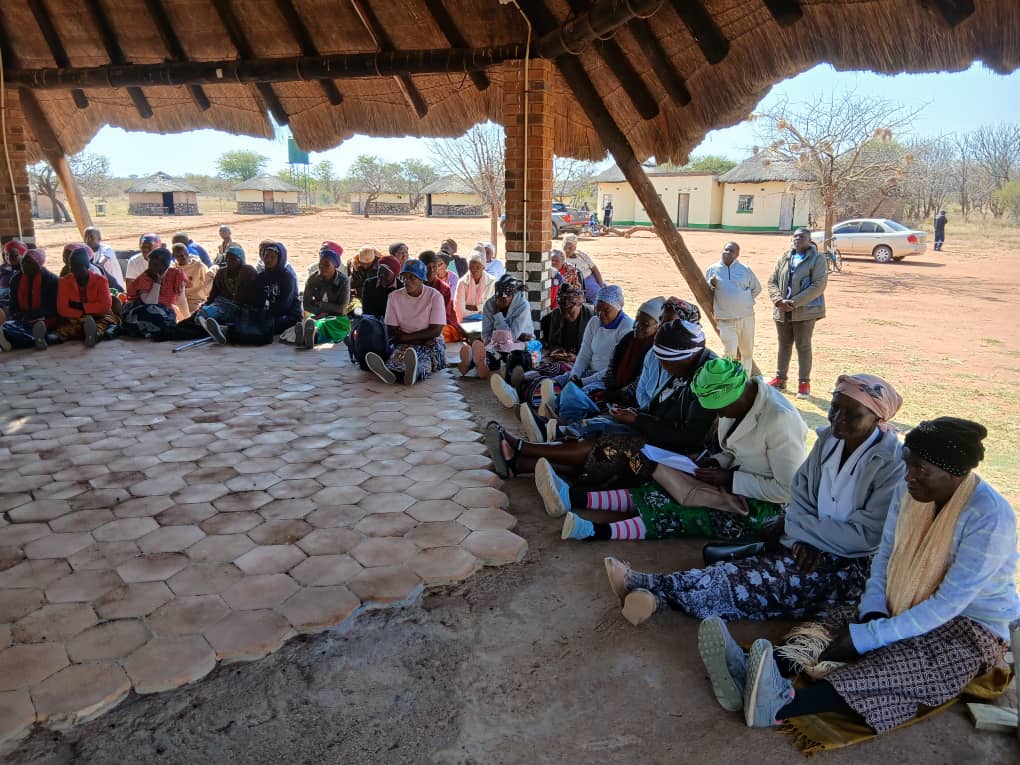
Speaking after a recent stakeholders’ meeting, the Ministry of Sport, Recreation, Arts and Culture’s Bulilima Arts and Culture
Officer, Mr Nkosilathi Mswela, stressed the need for broad community involvement.
“The meeting went well. Only Makumbi and Luvuluma were not represented because of delimitation. It was agreed that the two villages must be approached so they participate in all cultural activities as they fall under Chief Masendu’s jurisdiction,” he said.
Mr Mswela said every village should play a role in the restoration and future management of the centre.
“The resuscitation, construction and renovation of the centre should be village driven. Each village will be represented by a culture hut. The revival of centre committees was also revised.”
The proposal to establish culture huts representing different villages has been welcomed as a way of ensuring that every community has a sense of belonging and participation.
Supporters believe it will encourage greater local involvement while helping preserve the unique traditions and histories of each village.
Mr Mswela said efforts were also being made to ensure the centre remains active throughout the year rather than only during major events.
Master craftspeople are expected to lead training programmes aimed at passing valuable skills from one generation to another.
“The diaspora must work hand in glove with the local community for positive development. Local Authority must come on board for sustainable development. Traditional leaders must be capacitated on their roles and duties. They need to understand the Traditional Leaders Act,” he added.
His comments highlight the wide range of partners expected to contribute to the centre’s revival.
Traditional leaders, local authorities, community members and people living outside the country all have a role to play in ensuring the project succeeds.
Many residents believe this collective approach offers the best chance of avoiding the mistakes that contributed to the centre’s decline in the past.
The September festival will provide the first major opportunity to test whether the new model can work.
The event is expected to feature traditional dance groups, live music performances, visual art exhibitions, poetry and food stalls run by local vendors.
Organisers hope it will attract people from across Bulilima and beyond while demonstrating the potential of the centre as a vibrant cultural space.
Beyond the entertainment, the festival will serve as a statement of intent.
It will signal that the community is determined to reclaim a facility that once played an important role in local life.
For Bulilima residents, the revival of the Masendu Cultural Centre is about much more than repairing buildings or hosting events. It is about safeguarding culture, creating opportunities for young people and building pride in local identity.
If the initiative succeeds, the centre could become a model for rural cultural institutions across Zimbabwe.
More importantly, it could prove that when communities take ownership of their heritage, culture does more than survive. It grows, creates opportunities and continues to inspire future generations.
After more than a decade of silence, the people of Masendu are hoping the sound of music, dance and celebration will once again echo through the centre’s grounds. This time, they are determined to make sure it stays that way.