Online Reporter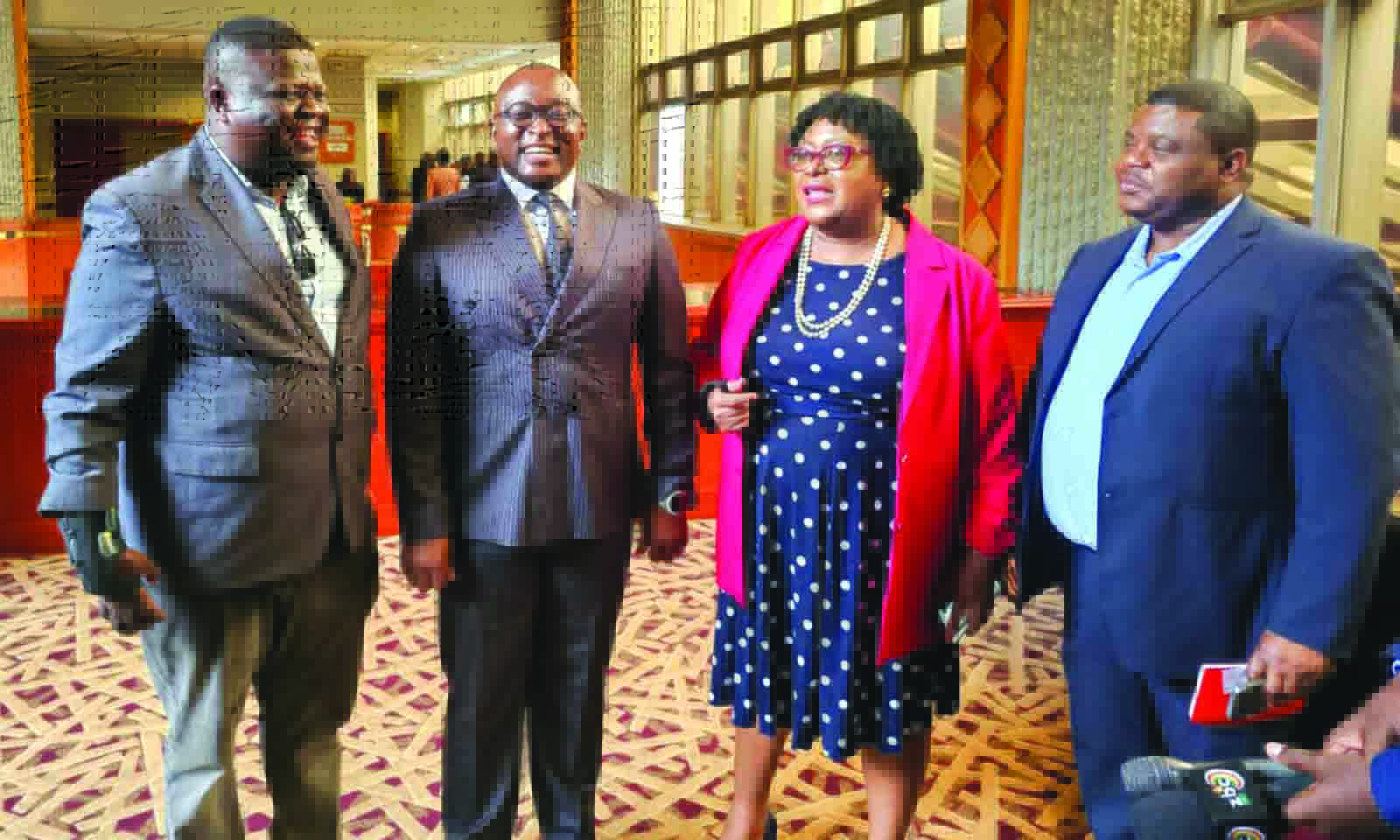
Herald Reporter
The Second Republic is committed to reforming the media industry, promoting freedom of expression and enhancing professionalism, Information, Publicity and Broadcasting Services Minister Dr Jenfan Muswere has said.
In his remarks at the 2025 annual media stakeholders conference in Harare yesterday, Dr Muswere said the Government is expanding media training programmes and revising curricula to align with the evolving needs of society and the digital age.
“Through strategic partnerships with institutions of higher learning and international organisations, we are equipping journalists with the competencies required to operate ethically, innovatively and professionally in a dynamic information environment,” he said.
Dr Muswere said President Mnangagwa has made it clear that the media “is not a peripheral sector”, but is central to national democratic consolidation, national cohesion and socio-economic transformation.
As the nation advances towards the realisation of Vision 2030 of an empowered upper-middle income society, the media sector must be recognised as a strategic pillar in achieving set targets, he said.
“Government has prioritised access to information, digital transformation and media pluralism as key enablers of inclusive and sustainable development. Through targeted reforms and investments, we are building a vibrant media ecosystem that supports economic growth, national cohesion and citizen empowerment.
“Complementing the Media Policy framework is the National Artificial Intelligence Policy, which positions Zimbabwe as a forward-looking nation ready to embrace the Fourth Industrial Revolution. This forward-thinking initiative provides strategic guidance on the ethical and innovative use of AI in media production, content moderation and digital engagement, ensuring that technological advancement is pursued responsibly and inclusively,” he said.
The media is also seen by the Second Republic as critically important in telling the Zimbabwean story. “We must move beyond narratives of deficit and despair and instead amplify stories of innovation, resilience and national pride.
“Our media must be empowered to document our journey, celebrate our successes and reflect the aspirations of our people.
Currently, the Media and Information Literacy Policy is being drafted to empower citizens to distinguish between truth and disinformation or misinformation,” he said, adding that the media should do more in publishing the numerous milestones achieved under the Second Republic.
“The new media policy is very clear in terms of the objectives and its pillars and principles; that the media sector has a shared responsibility to defend the image of Zimbabwe, to promote Zimbabwe as a country, to promote investment, tourism and media diversity.
“For us to be able to achieve an upper middle-income society, it is the responsibility of each and every media house to be able to uproot the vices, to raise awareness on critical issues, to fight corruption, to hold the executive accountable, but also to contribute towards national economic development in our country,” he said.
Dr Muswere also said no one should just call themselves journalists when they are not.
He added that just like no ordinary person can write a prescription for a sick person or draw a house plan without being an architect, no one should just call themselves journalists and want people to follow them.
During the conference, development partners such as UNESCO commended Zimbabwe for launching its media policy back in May, while also conveying its unequivocal support to the growth and development of the sector.
International Media Support (IMS) expressed their commitment to support the development of the country’s media industry.
Zimpapers board member Dr Alexander Rusero presented on the need for a National Employment Council (NEC) for the media industry.
“This chaotic nature of the media industry can only be addressed if we put in place a fully-fledged National Employment Council because it is the NEC that will then bridge the gap between the employers and the employees,” he said.
Zimpapers group political editor Ranga Mataire participated in a panel discussion at the indaba, highlighting how the country’s largest diversified media outlet is presently on a transformative journey. He also shared experiences on Artificial Intelligence and how it is impacting the media industry.
Also in attendance were Director Media Services George Chisoko, Zimpapers acting chief executive officer Mr William Chikoto and The Herald Editor Victoria Ruzvidzo, among other media industry stakeholders.