Online Reporter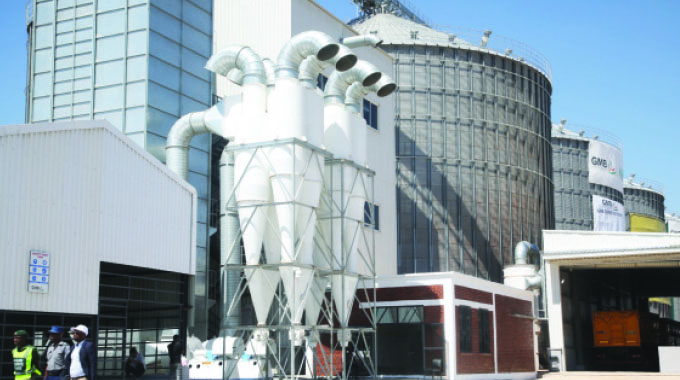
Gibson Mhaka, Zimpapers Politics Hub
SURVIVING economic sanctions is a complex and demanding undertaking. While strategies such as economic diversification, strengthening domestic industries, forging new alliances, and adapting to evolving circumstances are widely acknowledged, transformative and inward-looking policies — such as those championed by the Second Republic under President Mnangagwa — have played a pivotal role in mitigating the impact of sanctions imposed on Zimbabwe by Western nations over the past 24 years.
The illegal economic sanctions have significantly hindered Zimbabwe’s access to global lines of credit. In response, President Mnangagwa’s administration has embraced innovative, home-grown development financing models to sustain the country’s developmental trajectory.
This inward-looking approach was emphatically endorsed at the recent Zanu-PF 22nd National People’s Conference held in Mutare. Far from being a routine end-of-year political gathering, the conference served as a beacon of national development and a premier policy-making forum, critically evaluating progress towards Vision 2030.
The resolutions adopted at the conference established Zimbabwe’s official national stance, injecting renewed momentum and technical clarity into SADC’s collective position.
This ensured that the regional bloc’s subsequent call for action against sanctions on October 25 was unified, assertive and grounded in a clear national directive.
The conference resolutions play a pivotal role in shaping Zimbabwe’s nation the impact of economic sanctions.
These policies are transformative and inward-looking, designed to strengthen domestic capacity while reducing reliance on external systems.
Central to the strategy are four strategic pillars: microeconomic stability, beneficiation and value addition, infrastructure development and utilities, and the overall state of the economy, with a particular emphasis on food security and nutrition.
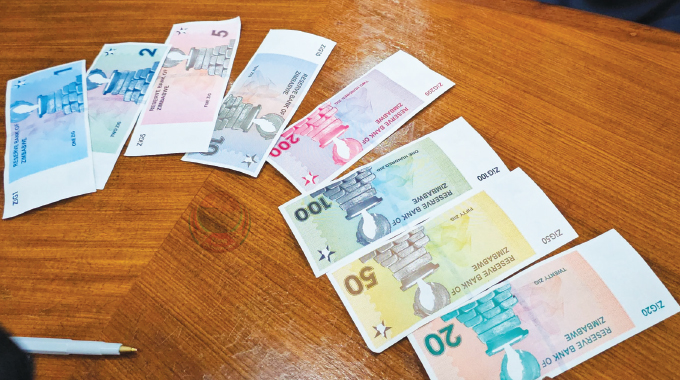
Resolutions on Microeconomic Stability are geared towards fostering self-reliance and confidence in Zimbabwe’s financial system. A key directive is the reinforcement of the Zimbabwe Gold (ZiG) currency as the sole legal tender, including for fuel purchases.
This move seeks to internalise economic transactions, stabilise the exchange rate, and reduce reliance on foreign currencies, which are often restricted by sanctions.
Measures such as the removal of the Intermediate Money Transfer Tax (IMTT) and the reduction of bank charges aim to promote formalisation and banking, making ZiG more attractive and accessible. Enhancing the durability and circulation of ZiG notes further supports market stability.
Importantly, the enforcement of anti-corruption and anti-money laundering laws targets illicit financial flows and speculative activities — areas often exploited by sanctions. Accelerating venture capital support for SMEs strengthens domestic productive capacity, making it more resilient to external financial shocks.
Collectively, these efforts are designed to cultivate a stable, locally controlled financial environment.
The strategy of Beneficiation and Value Addition seeks to maximise national wealth from local resources and shield the economy from external supply chain disruptions. By discouraging the export of raw materials without value addition, the Government aims to retain the full economic value of Zimbabwe’s mineral and agricultural resources.
This approach creates local employment, enhances industrial capacity, and boosts export revenues from finished goods, which are generally less vulnerable to sanctions than raw commodities.
For example, the development of a comprehensive coal mining policy that promotes beneficiation into products such as fertiliser, tar, gas, and benzene supports import substitution in key industrial and agricultural sectors.
Similarly, promoting the local manufacture of solar panels and lithium batteries reduces dependence on imported energy infrastructure, thereby enhancing energy security.
The continuation of the ease of doing business initiative complements this strategy by removing trade barriers for local industries.
Infrastructure Development and Utilities represent a long-term strategy to build a resilient and self-sufficient economic foundation.
Upgrading border posts, rehabilitating highways and roads, and revitalising railway infrastructure are essential for efficient domestic and regional trade, lowering transport costs and reducing reliance on international logistics systems that may be affected by sanctions.
Accelerating the completion of dams such as Gwayi-Shangani and Kunzvi, and maintaining water bodies, ensures a sustainable water supply for agriculture and industry — especially crucial when international climate adaptation funding is limited.
Expanding universities supports the development of a skilled local workforce, driving technological innovation and self-reliance. Scalling up renewable energy sources directly addresses energy security and reduces exposure to volatile international energy markets.
The provision of low-cost housing is a social development strategy that enhances livelihoods and contributes to national stability.
Resolutions concerning the State of the Economy — particularly Food Security and Nutrition — are central to achieving self-sufficiency in food production, a vital aspect of national security that is especially vulnerable to sanctions.
These measures aim to stabilise the agricultural sector by ensuring that all outstanding payments to farmers are cleared and that future deliveries are paid promptly, thereby encouraging continued participation.
To boost national output, the Government is capacitating the Rural Infrastructure Development Agency (Rida) and the Agricultural and Rural Development Authority (Arda) to support small-scale farmers.
To reduce reliance on imported processed foods, the strategy promotes the production, value addition, and consumption of traditional foods. This enhances nutrition and public health, aligning with the philanthropic and gastronomic tourism initiatives led by Her Excellency, the First Lady, Cde Dr Auxillia Mnangagwa.
Modernising village business units, expanding irrigation schemes, and rehabilitating existing ones are key to increasing agricultural productivity and food security, making Zimbabwe more resilient to external pressures.
To address financing constraints caused by sanctions, the acceleration of title deed programmes provides farmers with collateral, unlocking private financing even in the absence of international credit lines.
Finally, the strategy ensures consumer protection by strengthening the capacity of the Consumer Protection Commission of Zimbabwe and other regulatory bodies to monitor the retail sector and safeguard citizens from counterfeit and unsafe products.
President Mnangagwa’s address at the SADC Anti-Sanctions Day commemorations in Harare reaffirmed Zimbabwe’s national position and celebrated the effectiveness of the Second Republic’s policies in countering the impact of sanctions.
Despite the impact of illegal sanctions, the President emphasised the positive trajectory of the national economy.
“Under the Second Republic, we continue to record notable increases in foreign currency earnings, driven by export receipts, diaspora remittances, and foreign direct investment inflows,” he said.
He further acknowledged the resilience and growth demonstrated by the manufacturing, mining, and infrastructure development, energy and tourism and hospitality sectors.
“Zimbabwe is Open for Business, and concrete measures to enhance the ease of doing business in our country are ongoing,” he added.
President Mnangagwa underscored that the nation’s future lies firmly in the hands of its people, echoing the national development philosophy: “Nyika inovakwa, inotongwa, inonamatigwa nevene vayo / Ilizwe lakhiwa, libuswe, likhulekelwe ngabanikazi balo.”
He stressed that this philosophy emboldens the nation as it confronts “challenges and shocks such as these illegal, heinous sanctions, climate change-induced droughts, and other public health emergencies.”
He affirmed the collective national resilience, stating, “We, the Zimbabwean people, are masters of our own destiny. The flame of our independence, freedom, and sovereignty burns ever brighter.”
He reiterated the progress made in fostering a self-sufficient and food-secure nation through comprehensive, people-centred agricultural programmes and projects.
Zimbabwe’s strategy for navigating economic sanctions under the Second Republic, championed by President Mnangagwa, centres on a determined shift towards transformative, inward-looking policies.
The resolutions from the Zanu-PF 22nd National People’s Conference — covering Microeconomic Stability, Beneficiation and Value Addition, Infrastructure Development, and Food Security — provide a comprehensive domestic blueprint for building resilience.
As President Mnangagwa affirmed during the Sadc Anti-Sanctions Day commemorations, this home-grown approach, guided by the philosophy “Nyika inovakwa, inotongwa, inonamatigwa nevene vayo / Ilizwe liyakhiwa, liyabuswa njalo liyathandazelwa ngabanikazi balo,” ensures the nation maintains a positive growth trajectory despite external pressures, ultimately asserting that the future of the country lies firmly in the hands of the Zimbabwean people.