

 admin
admin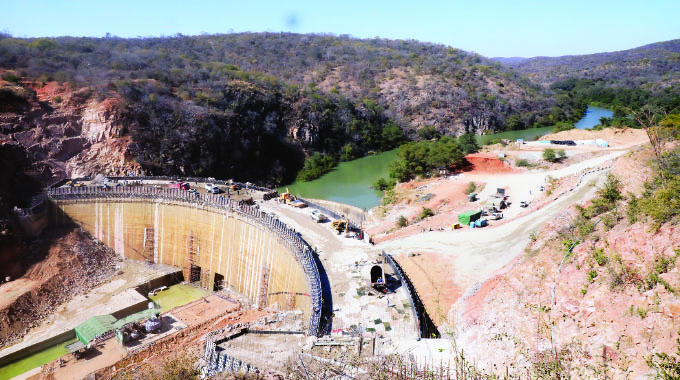
Year project was first proposed: 1912
Year construction started: Concrete placing in the foundation was done in October 2017
Contractor: China International Water and Electric Corp (Pvt) Limited
Gross capacity of lake: 650 million cubic metres
Size compared to other dams: Becomes the third largest inland dam after Tugwi-Mukosi and Lake Mutirikwi of Masvingo
Employment created: Over 600 workers so far
Progress on lake wall: 39 metres of wall covered as of yesterday
Total lake height: 72 metres
Dam wall crest length: 361 metres
Bottom width: 24 metres but it narrows as it goes up
Expected completion date: Targeting to reach full supply level by August 2023
Catchment area: 38 000 square metres extending up to Gweru
Benefits:
- It will provide 220 mega litres of water per day to Bulawayo for the next 80 years
- It will generate 10MW hydro electricity
- Many irrigation projects to be set up – 10 400 hectares of land earmarked for irrigation in Hwange, Lupane and Binga districts
- Hwange to get 240 hectares, Binga 2 000 hectares and Lupane to be the biggest beneficiary with 7 000 hectares
- Tourism opportunities such as boat cruising expected
- Community benefits include employment at construction site, irrigation agriculture, boost to local businesses
- There are plans to set up fishery projects
- Lake Gwayi Shangani will boost rural industrialisation drive on back of agricultural projects
- There will be clean water for communities in line with the National Development Strategy 1
- Livestock in surrounding areas, and along the pipeline will get water
- Electricity will be used to power local institutions such as business centres, clinics, schools
- Large parts of Matabeleland region will have irrigation projects along the 252km pipeline from Gwayi to Bulawayo, turning region into a green belt
- Wild animals will also get drinking water
- Water from other dams that are supplying Bulawayo will be channelled towards more irrigation projects in the provinces. – Compiled by Africa Moyo.



 Online Reporter