Online Reporter
Zimpapers Politics Hub
FOR decades, the story of women in Zimbabwe was largely told through the language of exclusion — exclusion from boardrooms, political decision-making, access to capital, productive resources and positions of influence.
But that narrative is increasingly being rewritten.
Under the Second Republic, women are not only being positioned as beneficiaries of Government empowerment programmes, but are increasingly emerging as decision-makers, entrepreneurs, legislators, professionals and leaders shaping the country’s socio-economic trajectory.
This transformation is neither accidental nor isolated.
It is part of a deliberate policy thrust by the Government led by President Mnangagwa to create an inclusive development model in which women and girls are given greater opportunities to participate in, and contribute to, national development.
The significance of this shift lies in the fact that empowerment is most meaningful when it moves beyond the distribution of resources to changing who makes decisions, who owns productive assets, who controls businesses and who sits at the table when national policies are formulated.
Zimbabwe’s women are increasingly occupying strategic positions in Government, Parliament, the judiciary and the corporate sector, reflecting a broader effort to dismantle some of the historical barriers that have limited their participation in public and economic life.
The elevation of women to senior positions in the judiciary and other key institutions is another reflection of this changing landscape.
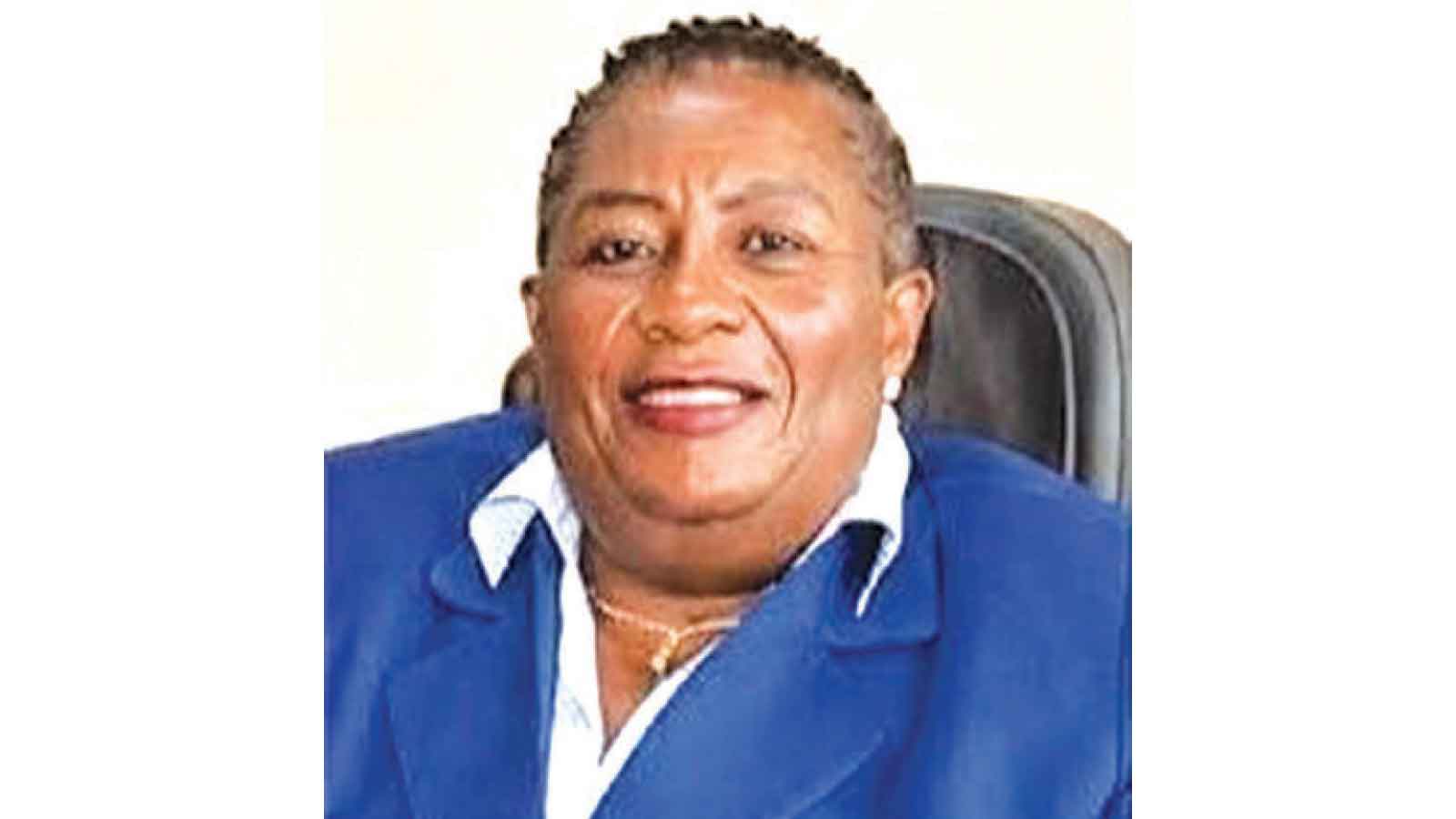
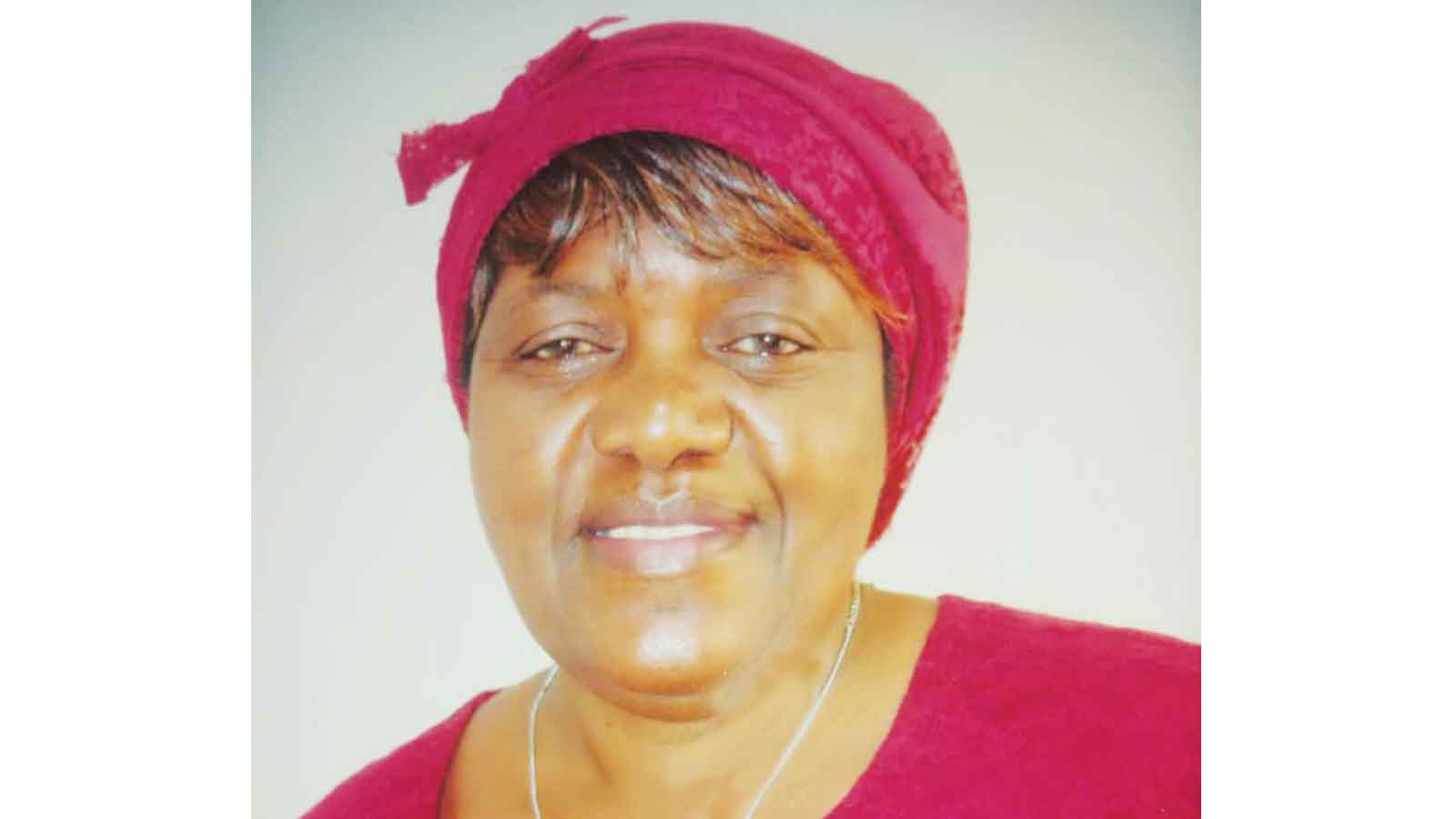
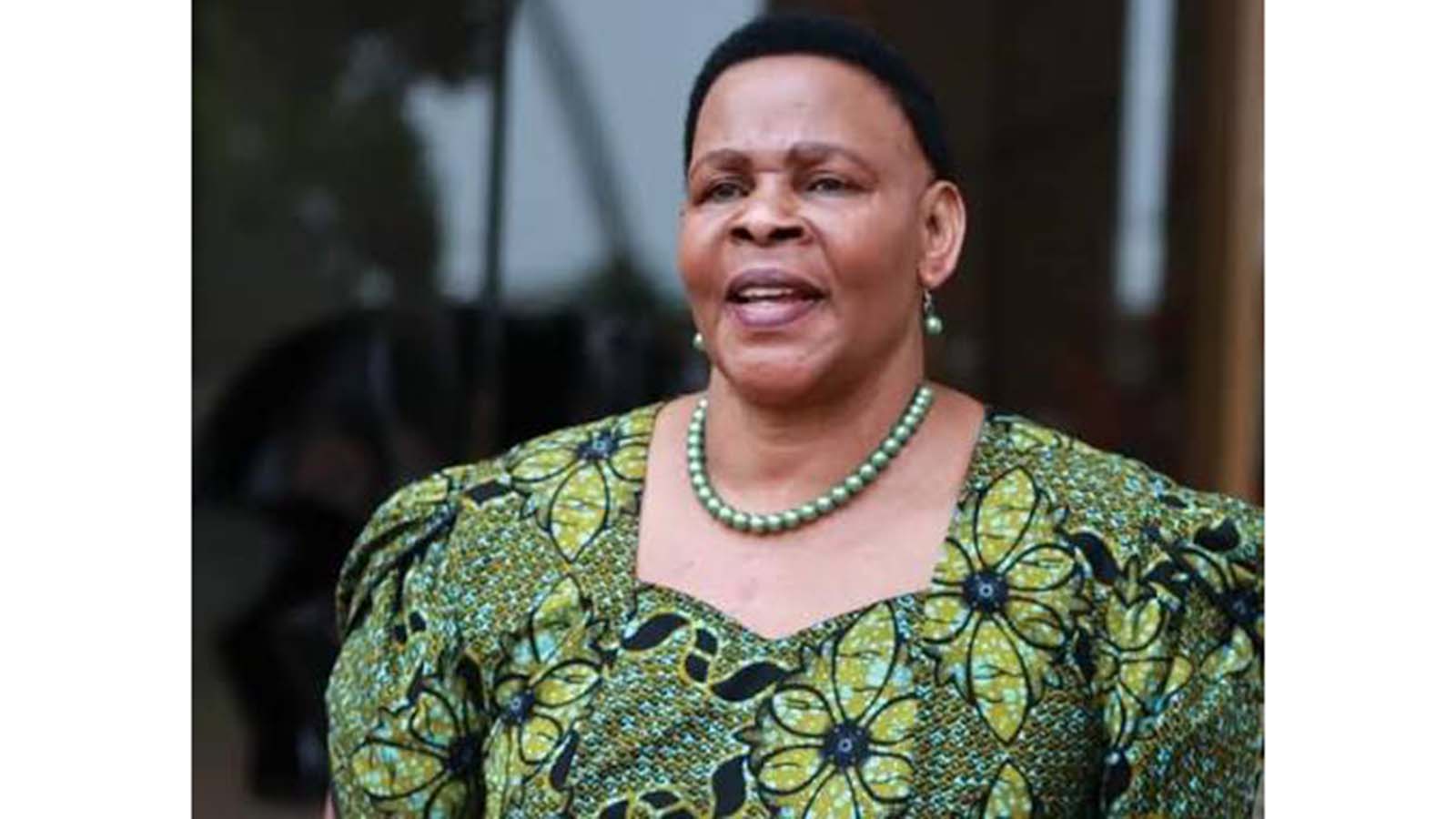
The Second Republic has made significant strides in empowering women, with landmark appointments such as Chief Justice Elizabeth Gwaunza, Attorney-General Virginia Mabhiza, Prosecutor-General Loice Matanda-Moyo and Judge President Mary Zimba-Dube.
These appointments demonstrate a deliberate national policy to promote capable women to strategic leadership positions and ensure their meaningful participation in shaping the country’s governance and justice systems.
For the Second Republic, however, women’s empowerment is not merely about appointing women to senior positions. It is also about creating the economic foundation that enables women to become self-reliant and active participants in the national economy.
This was the central message delivered by President Mnangagwa when he addressed more than 8 000 women at the Young Women for Economic Development (YW4ED) Convention in Harare recently.
The President challenged women to move decisively into enterprise development, innovation and industrial growth, while assuring them that Government would continue working to remove structural barriers, particularly those relating to access to finance and workspaces.
“Be assured that my Government stands ready to scale up support for a gender sensitive development agenda that is inclusive, accommodating all the people and entrepreneurs in our country,” President Mnangagwa said.
That statement captures an important feature of the Second Republic’s approach: empowerment is increasingly being viewed not as an act of benevolence, but as an investment in national development.
When women have access to capital, skills, markets and productive infrastructure, the benefits extend beyond individual households.
Women-led enterprises create employment, support families, stimulate local economies and expand the country’s productive base.
This explains why the President has repeatedly linked women’s empowerment to the broader national objective of moving citizens from poverty into prosperity.
“The importance of women’s empowerment as one of Government’s pertinent strategies for lifting the people out of poverty into prosperity, gender equality and realisation of broader inclusive sustainable development cannot be over-emphasised,” he said.
The emphasis on moving from beneficiaries to producers is particularly important.
For years, women have often been viewed primarily through the prism of vulnerability — as recipients of social protection, beneficiaries of development programmes or victims of economic exclusion.
While such interventions remain necessary, the Second Republic’s empowerment agenda is increasingly seeking to change that paradigm by placing women at the centre of production.
The roll out of the Empowerment Fund, skills development programmes, support for small and medium enterprises and cooperatives, as well as market access initiatives, all represents more than a collection of Government programmes.
These interventions are intended to provide women with the tools to build sustainable enterprises and participate meaningfully in the formal and informal economies.
“Under this approach, we are accelerating the roll-out of the Empowerment Fund; skills development programmes; SME and Cooperative support, as well as market access initiatives,” President Mnangagwa said.
The President’s message, however, goes beyond urging Government to provide resources.
He has also challenged women to make productive use of the opportunities being created.
“I challenge you to seize the various economic opportunities and position yourselves at the forefront of enterprise development, innovation, and industrial growth,” he said.
This is where the empowerment debate takes on a more important political and economic dimension.
Access to funds alone does not constitute empowerment.
True empowerment occurs when a woman can turn capital into a viable enterprise, create employment, develop a product, access markets and ultimately become a contributor to the national fiscus.
It is the difference between receiving assistance and building economic power.
President Mnangagwa has, therefore, emphasised accountability and productivity in the utilisation of empowerment facilities.
Women, he said, must use empowerment resources with greater transparency and a results-oriented approach so that the funds become catalysts for increased production, productivity, growth and diversification of women-led enterprises.
This approach fits into the Second Republic’s wider development philosophy of creating a productive citizenry capable of participating in the attainment of national development targets.
It also explains the emphasis on decentralising empowerment programmes.
The President commended efforts to strengthen the operational capacity of women’s organisations and said the deployment of resources, including vehicles, to sub-national structures should improve coordination and grassroots mobilisation.
The message is clear: empowerment cannot remain concentrated in urban centres or confined to policy documents in Harare.
It must reach the woman running a small business in a rural community, the young entrepreneur seeking workspace, the cooperative attempting to enter formal markets and the woman who wants to transform an idea into a commercially viable enterprise.
That is the meaning behind the Second Republic’s “leaving no one and no place behind” philosophy.
“In line with the Second Republic’s people-centred development philosophy of leaving no one and no place behind, I am pleased that the Presidential Empowerment Fund is having a transformative impact on the social and economic well-being of women and the youth, including members of this organisation,” President Mnangagwa said.
The political significance of this transformation should not be underestimated.
Women constitute a substantial component of Zimbabwe’s population and their participation in leadership and economic production has direct implications for the country’s development prospects.
A country cannot credibly pursue inclusive growth while large sections of its population remain spectators in the economy.
Equally, national development cannot be sustainable if women remain under-represented in institutions where decisions affecting communities, businesses and families are made.
The increasing presence of women in senior Government positions, Parliament, the judiciary and business therefore represents more than a gender statistic.
It is gradually changing the architecture of decision-making.
The appointment of women to influential positions sends a powerful message to young girls that leadership is not the preserve of men and that professional excellence can open doors previously considered inaccessible.
But the journey is not complete.
Women still face barriers relating to access to finance, productive spaces, markets, technology and skills.
Cultural expectations and economic inequalities can also constrain their ability to scale businesses and compete on an equal footing.
The challenge now is to ensure that the momentum generated by the Second Republic’s empowerment policies translates into durable economic ownership and leadership.
That requires women themselves to take the next step — from accessing programmes to building institutions, from receiving support to creating opportunities for others, and from occupying positions to exercising meaningful influence.
President Mnangagwa has urged women to identify niches in which they can compete and produce goods for both domestic and external markets.
The call for “Made in Zimbabwe” products is particularly significant as the country seeks to deepen local production, value addition and industrialisation.
“As you pursue the various economic empowerment programmes being implemented by our Zanu-PF-led Government, I urge you to stand firm as champions of unity, peace-building, social cohesion, and harmony,” he said.
“You are the emerging heroines of our nation. Nyika inovakwa, inotongwa, inonamatigwa nevene vayo/Ilizwe lakhiwa, libuswe, likhulekelwe ngabanikazi balo.”
That declaration — that the country is built, governed and prayed for by its owners — places women firmly within the national development narrative.
The emerging picture, therefore, is of a woman who is no longer expected merely to benefit from development, but to help drive it.
The real measure of the Second Republic’s women empowerment agenda will ultimately be seen in the number of women who move from micro-enterprises to thriving companies, from beneficiaries to employers, from participants to policymakers and from being represented in decision-making structures to actually shaping decisions.
Zimbabwe’s development story is increasingly becoming a story of women taking their place at the centre of the national project.
From the factory floor to the boardroom, from Parliament to the judiciary, from community cooperatives to the technology and innovation space, women are steadily moving into positions where they can influence the direction of the country.
The task now is to consolidate those gains. For if empowerment is the bridge, economic ownership and decision-making are the destination.
And the Second Republic’s message is increasingly clear: Zimbabwe’s women should not simply wait for a seat at the table. They must be equipped, encouraged and empowered to help build the table — and take their rightful place around it.