admin
admin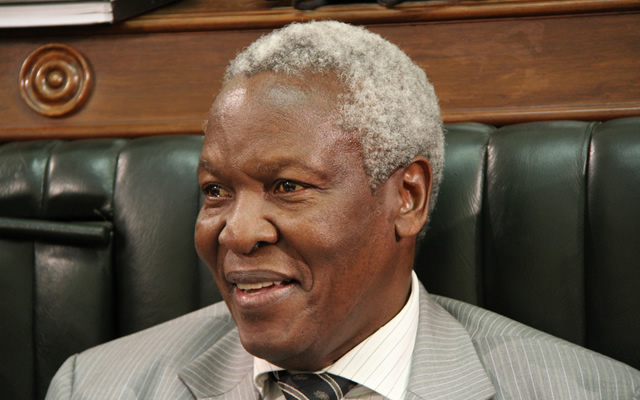
 Leonard Ncube Victoria Falls Reporter
THE 8th ordinary meeting of the African Union Ministers of Defence ended here on Friday amid calls for the continent to desist from overdependence on foreign help in times of crisis.
This comes at a time when Africa is bedevilled by instability due to terrorist activities.
In his official remarks, chairperson of the AU Ministers of Defence and Security, Dr Sydney Sekeramayi, urged member states to be cautious of dependence on foreign military help in resolving problems.
Dr Sekeremayi, who is also Zimbabwe Defence Minister, said AU should be guided by principles of founding fathers of the continental body as well as the need to safeguard the fundamental freedoms of future generations.
“This meeting comes on the backdrop of rising insecurity and terrorism. We need to combine our efforts most importantly now when our continent is bedevilled by instability,” he said.
He said it was imperative that AU member states use home grown solutions.
“We should remain united in line with the aspirations of our own founding fathers and be cautious of being over-dependent on foreign assistance in resolving our problems. The intended operationalisation of the Africa Standby Force (ASF) will be a positive development in maintaining peace on the continent. It will also minimise involvement of foreign nations,” he said.
Dr Sekeramayi said the conference, which started on Monday with the meeting of experts on Defence, Safety and Security followed by African Chiefs of Defence Staff and Heads of Safety and Security Services sessions, was part of efforts by the continent to develop home grown solutions.
The Defence Minister said in the past, AU would “run” to the United Nations in times of crisis. He said such past actions would end once ASF was operationalised in December this year.
He said the meeting discussed crisis situations in countries such as Togo, Burundi where there was a coup attempt recently, Mali where a peace deal was signed last week, Somalia and Central African Republic.
He said countries were committed to mobilising resources despite internal challenges.
Speaking on the same event, AU Commissioner for Peace and Security, Smail Chergui said terrorist activities, which include radicalism and extremism, were on the rise in West Africa, North Africa and East Africa.
“You’ll also agree with me that the rise of terrorism and extremism is the major challenge that’s negatively affecting some parts of our continent. Terrorist activities have expanded in our continent with East Africa, West Africa and North Africa being the most affected regions,” said Chergui.
“While it’s important to address some of the contributing factors such as poverty and lack of opportunities, it’s very urgent that we mobilise the necessary intelligence to effectively fight terrorism and to address the conditions that give rise to radicalisation and extremism.”
Chergui said the continent was committed to fighting instability, hence the need to operationalise ASF as a matter of urgency.
He said the ASF, which should be in place by year-end, would also be used in fighting health threats brought about by pandemics such as Ebola.
Chergui commended member states for their commitment to the establishment of a unified force within the set deadline.
The AU official reiterated the organisation’s gratitude to the body’s chairperson, President Mugabe for his leadership and dedication to the African cause for prosperity, security and stability, evidenced by his recent visit to Mali where he witnessed the signing of the peace deal.
AU needs about $1 billion to operationalise the ASF whose members will be stationed in their respective countries ready for rapid deployment to hot spots across the continent.



 Online Reporter