Online Reporter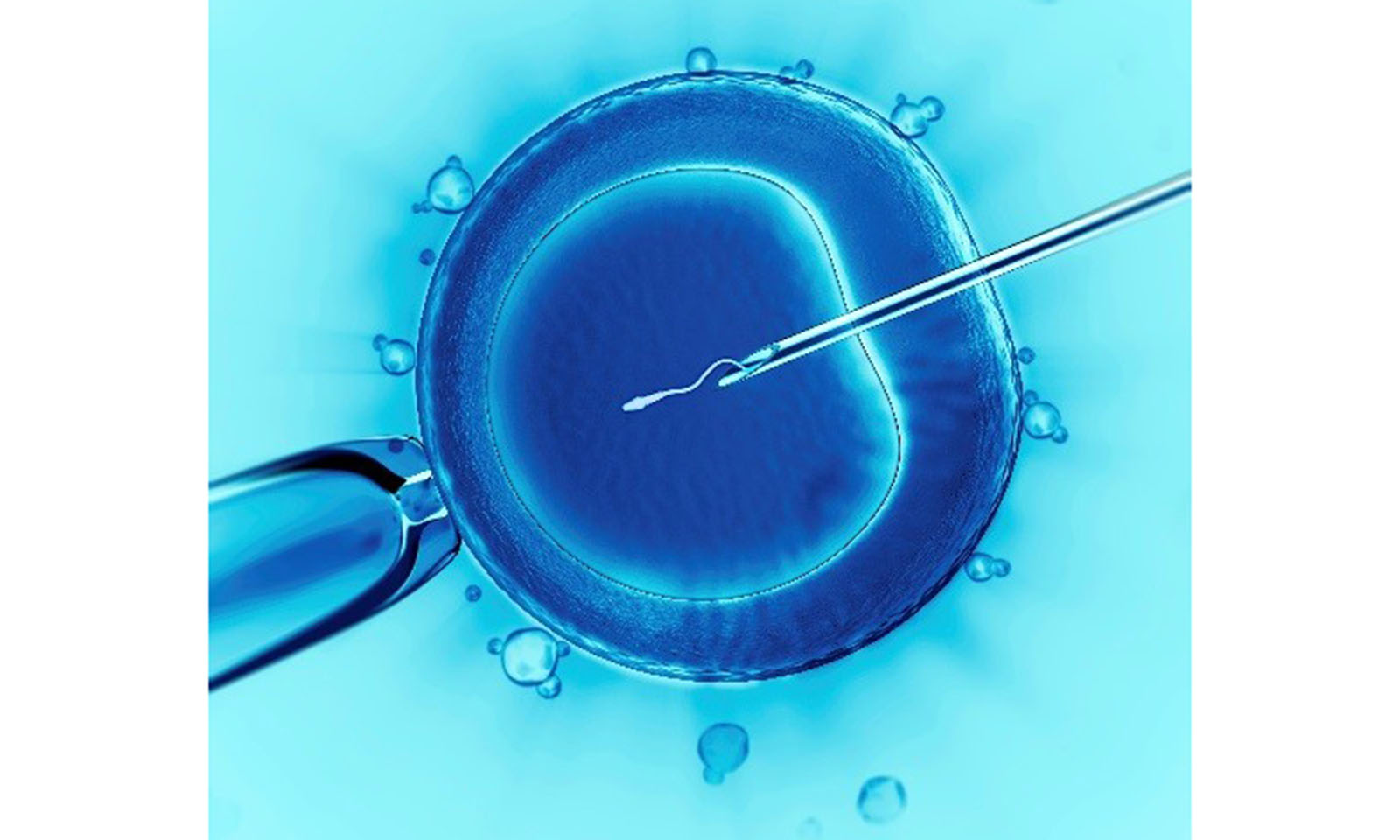
Flora Fadzai Sibanda
THE silence in her home was a constant reminder of the dream Ntombizodwa Dangala desperately clung to.
At 37, after seven years of relentless hope and crushing disappointment, the path to motherhood seemed to be fading into an impossible distance. Her journey had already cost US$25 000 and countless tears, marked by three unsuccessful in vitro fertilisation (IVF) cycles and five failed rounds of intrauterine insemination (IUI), a direct sperm insertion fertility treatment.
Each attempt chipped away at her resolve, but just as she stood at the precipice of giving up entirely, Ntombizodwa and her husband made a monumental decision: one final, defiant attempt at IVF.
That courageous choice became their miracle, welcoming their beautiful twin boys, who are now almost two years old.
IVF is a form of assisted reproductive technology (ART) where eggs are fertilised by sperm outside the body in a laboratory. The resulting embryo is then transferred to the woman’s uterus in the hope of establishing a pregnancy. Medication is used to stimulate the ovaries to produce multiple eggs. Ntombizodwa shared that she had struggled with infertility for seven years before finally welcoming her sons.
“I got married in 2015, and in 2019, after trying for a baby for some time, I was diagnosed with fibroids and had them removed,” she said.
Ntombizodwa believed that once the fibroids were removed, conceiving would be straightforward — only to have her hopes dashed once again.
She recalled trying various herbal remedies in an effort to conceive, as some people suggested her infertility was the result of bewitchment, before eventually turning to IVF.
“After some time, my husband and I decided to try IVF. In the first cycle, I produced five follicles, but only two matured into embryos. Sadly, the transfer was unsuccessful. In the second cycle, I had three follicles, and only one matured,” said Ntombizodwa.
The mother of two said she was overjoyed when the pregnancy test came back positive, only to be devastated when she miscarried at eight weeks. She tried again, but the pregnancy was unsuccessful.
“That’s when the doctor I was seeing advised us to try IUI. I went through five cycles, all of which failed. At that point, I had given up — we had spent nearly US$25 000,” she said.
Just as she had resigned herself to a life without children, a friend encouraged her to try one last time with a different doctor. Though hesitant, her husband persuaded her to give it one more shot.
“With the new doctor, we harvested 18 follicles, which resulted in nine embryos.
‘‘Two were transferred, and seven were frozen. After the transfer, I became pregnant with twin boys, who will be turning two very soon,” she said.
Ntombizodwa described the journey as traumatic, admitting that at times she grew weary of the constant injections. She said her family had been supportive of her decision to pursue IVF, knowing how deeply she longed to have children.
“One thing I can say to other women going through this journey is that God’s timing is perfect, and people should not give up. I was told I might be entering early menopause and would need donor eggs, but God came through and gave me my own double blessing,” she said.
“My other piece of advice is for men to be especially supportive of their partners. My husband stood by me through everything, even when I had lost all hope.”
In an interview with Chronicle, gynaecologist Dr Jephat Moyo, who is also the director of the Bulawayo Assisted Reproductive Technology Centre (BART), said IVF success rates depend on several factors.
“These include, but are not limited to, the woman’s age, the cause of subfertility — such as tubal blockages — and the clinic being used,” said Dr Moyo.
He noted that, on average 40 percent of women who undergo IVF worldwide achieve successful outcomes. Dr Moyo added that public perception of IVF has evolved, with many people now embracing the procedure.
“People are not only open to routine IVF but also to other options such as egg donation, surrogacy and genetic testing,” he said.