Online Reporter
Fairness Moyana recently in Jambezi
A community-based women’s empowerment initiative is transforming livelihoods in Hwange District, with dozens of women in Victoria Falls and Sidinda ward acquiring practical sewing skills that are opening up new economic opportunities and strengthening household incomes.
The programme, spearheaded by Reachout Trust, was launched in 2025 as a pilot initiative aimed at equipping women and youth with income-generating skills.
Since its inception, the project has expanded into an annual programme, building a growing network of self-reliant women across the district.
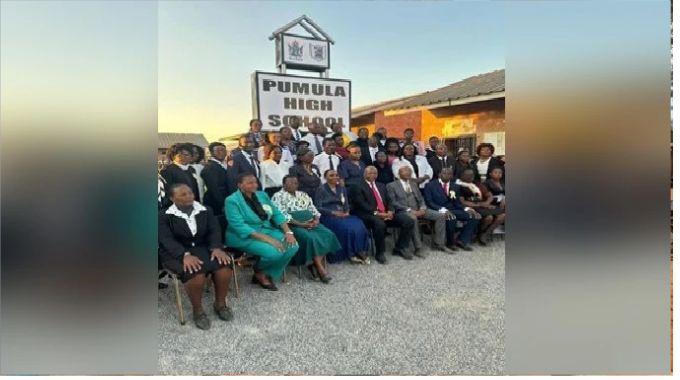
Speaking on the sidelines of a graduation ceremony in Sidinda, Reachout Trust programmes officer Ms Miriam Mutale said the initiative was deliberately designed to move women from vulnerability to economic independence.
“We are proud to have successfully trained and graduated 20 women from Sidinda ward, most of whom we identified at grassroots level based on their economic status. Our goal is to give them sustainable livelihood skills so they can take care of themselves and their families,” she said.
The latest graduation follows an earlier cohort of 35 women, who completed the training in Victoria Falls in November 2025, bringing the total number of direct beneficiaries to 55.
The Sidinda ceremony drew traditional leaders, Government officials and international visitors, underscoring growing recognition of the programme’s impact.
Beyond garment production, the sewing initiative is emerging as a catalyst for economic transformation, with beneficiaries now able to establish small enterprises, provide tailoring services and generate income to support their households.
Ms Mutale said the benefits were already extending beyond participants, with 120 family members benefitting indirectly, including 60 children, who are now attending school, as well as 40 spouses and parents whose livelihoods have improved.
“The impact goes beyond income. Women are now participating more in household decision-making and contributing meaningfully to family welfare. This is critical for sustainable development,” said Ms Mutale.
The programme has also created a platform for broader social change, with participants engaging in discussions around key community issues such as child protection, drug and substance abuse, domestic violence and early marriages.
“As women come together, they are not only learning a skill but also building confidence and awareness. They are now able to speak out and influence positive change in their communities,” said Ms Mutale.
The initiative’s success has generated increased interest, with more women enrolling for future courses, reinforcing a positive cycle of empowerment.
Graduates are already exhibiting their products at community showcases, while others have secured employment with local tailors, highlighting the programme’s practical impact on livelihoods.
To further bolster household resilience, Reachout Trust is integrating the sewing initiative with complementary agricultural projects. These include goat rearing, poultry production and nutritional gardens aimed at improving food security and income diversification.
“This integrated approach ensures that families have multiple sources of income and access to nutritious food, ultimately improving overall well-being,” said Ms Mutale.
Plans are also underway to roll out the initiative to additional wards, extending its reach and impact across the district.