admin
admin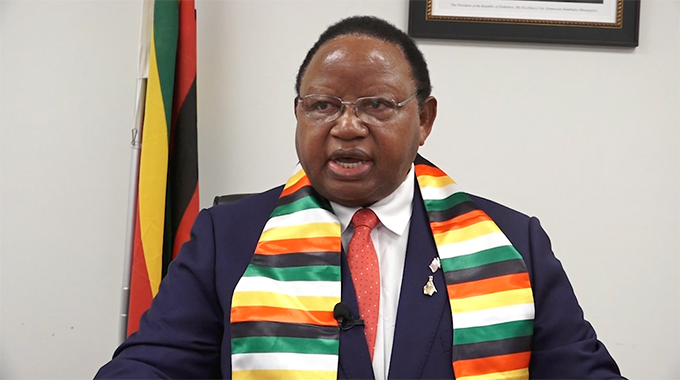
Africa Moyo-Deputy News Editor
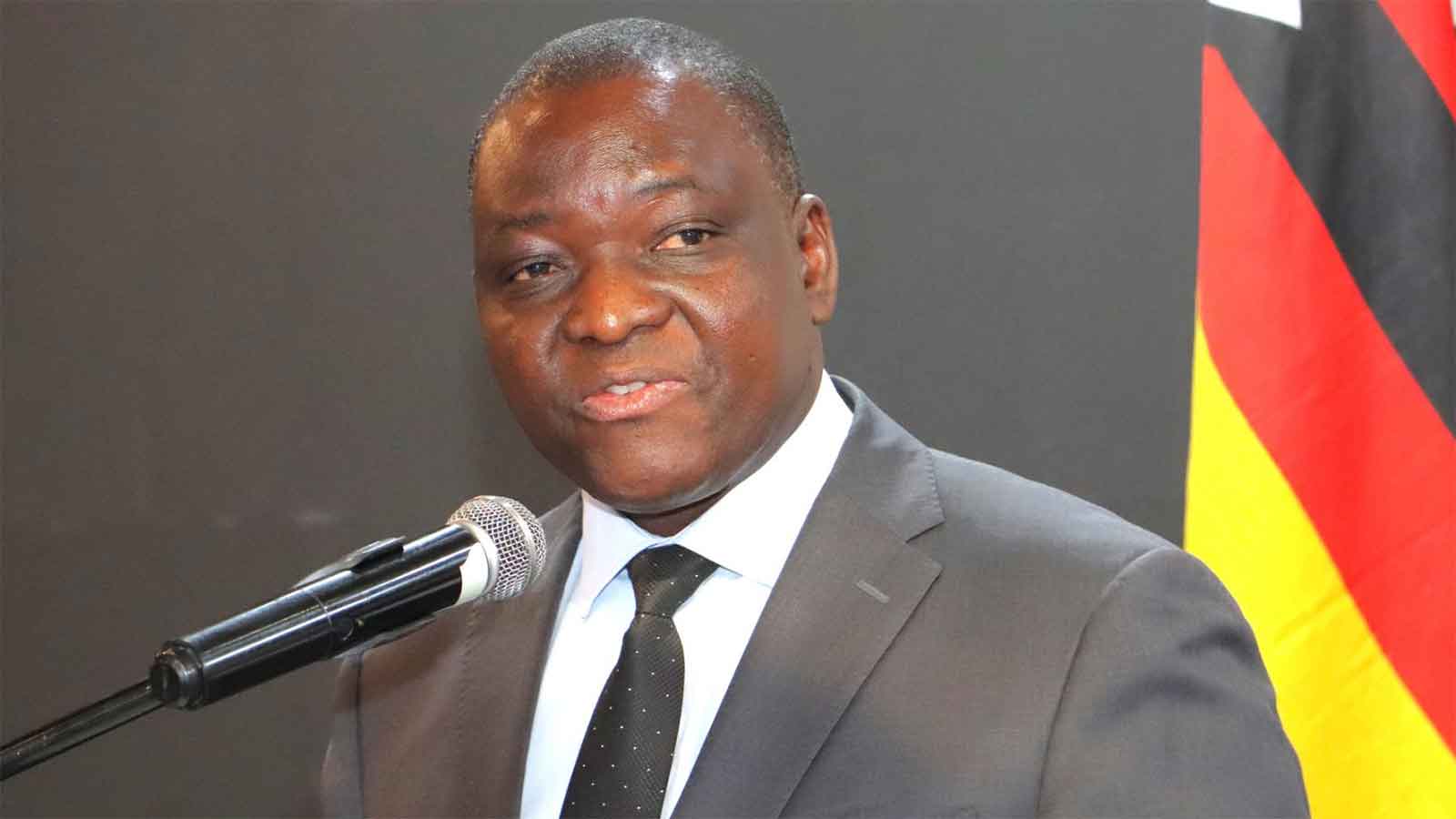
Zimbabwe wants to deepen relations with Nordic countries, with particular focus on trade and economic cooperation than aid and development assistance, Foreign Affairs and International Trade Minister, Ambassador Frederick Shava, has said.
He was speaking yesterday at the ongoing 21st Nordic-Africa Foreign Ministers meeting in Copenhagen, Denmark.
Ambassador Shava said Africa’s partnership with Nordic countries has rich historical roots starting all the way from their engagement in the continent’s struggles against colonialism and apartheid.
“This rich foundation has helped us maintain our vibrant partnership in various areas including peace and security, capacity building and implementation of the Sustainable Development Goals,” he said.
“Looking at the next five to 10 years, we must now bring our relationship up to date by focusing more on trade and economic cooperation than aid and development assistance.”
Some possible areas of cooperation, said Ambassador Shava, include deepening collaboration beyond the supply of raw materials, but right through the value chains, and strengthening participation in trade expositions and business investment forums.
“In Zimbabwe we have two major trade expositions that happen annually, namely the International Trade Fair in April and the Agricultural Show in August.
“We also have the Sanganai/Hlanganani World Tourism Expo which will take place in September (which Nordic countries can attend),” he said.
Nordic and African countries can mutually benefit from cooperating in technology and skills transfer, technical and financial support and access to markets, amongst others, said Ambassador Shava, adding that bilateral engagements could be facilitated between governments to move data, designs, inventions, software and technical knowledge.
This will aid poverty alleviation in African countries, he said.
“Reducing poverty in Africa is also beneficial to industrial countries in many respects, for example, those goods that Nordic countries have an absolute advantage in can find a market of over 1,2 billion people who can afford to purchase them at full market value.
“Africa is ripe for innovative financial solutions due to its rapidly growing small and medium businesses.
“There is, therefore, an opportunity for the development of tailor-made financial packages to African countries at accessible interest rates which could benefit Nordic financial markets.
“Key to this is the need to get the Nordic private sector to gain a more intimate understanding of the investment landscape on the continent so as to eliminate risk stereotypes,” said Ambassador Shava.
The African Continental Free Trade Area (AfCFTA) guarantees access to markets for Nordic firms that will set up in Africa through elimination of tariffs and non-tariff barriers across the continent.
In addition, Special Economic Zones that have been set up in Zimbabwe and other countries, offer attractive incentives for all foreign investments. Rebates on capital equipment for investments are also in place as an additional incentive.
Ambassador Shava said Nordic and African countries can also forge an alliance at the World Trade Organisation (WTO) in areas of mutual interest, particularly in the agriculture negotiations.
“Importantly, some of the Nordic countries are members of the European Union, which has established Economic Partnership Agreements (EPA) with Africa.
“Zimbabwe has an EPA with the EU under the auspices of the Eastern and Southern Africa Group of Five (ESA 5).
“Lastly, we can join hands to revitalise our multilateral organisations by promoting multilateralism as opposed to unilateralism in all instances. Our world is sorely in need of bridge builders,” said Ambassador Shava.
Algerian Foreign Minister Ahmed Attaf said the United Nations was being progressively disqualified, with one of its central bodies, the Security Council, gradually falling into a state of paralysis.
“To mention just one case, the unfolding situation in Gaza embodies alone all these dysfunctionalities that challenge nowadays in a direct and blatant manner, the very essence of a rules-based system to which we are all committed.
“The continued inability of the international community to act in a united and decisive manner to put an end to the atrocities being committed against the Palestinian people has reignited doubts and scepticism about the very raison d’être (reason) and relevance of international law in its entirety. These are certainly not ordinary times,” said Minister Attaf.
Danish Foreign Minister, Mr Lars Løkke Rasmussen, agreed with African Ministers when he noted that traditional power balances were being disregarded, which he said was a cause for serious concern and a sign of new prospects, hope and breeding ground for new, true partnerships.
Ambassador Shava is also taking advantage of his visit to Denmark to have bilateral discussions with some of his counterparts, both from the Nordic and African countries in line with the Second Republic’s engagement and re-engagement policy driven by President Mnangagwa.


 Online Reporter