Online Reporter
Theseus Shambare
TRADERS in Harare can rightfully claim to have seen it all.
They have undoubtedly experienced good times and weathered countless storms.
On a grey October morning, the corner of Chinhoyi Street and Speke Avenue lay eerily quiet.
Shutters of burnt-out buildings dangled like broken teeth, with black smoke still staining the walls.
Just weeks earlier, clothing shops were bustling with activity while punters crowded in a betting shop.
However, only silence now hangs over the ashes.

For many small traders, the flames that consumed their stock were the latest blow in a month that saw many Harare businesses being closed as the city council intensified its crackdown on unlicensed shops, illegally partitioned buildings and shop owners who were not paying rates.
Flames in the capital
The fire at the intersection of Chinhoyi Street and Speke Avenue on September 9 left businessman Takunda Chokoda devastated.
“I lost goods worth over US$20 000. Years of work went up in smoke within hours,” he said quietly, standing beside the charred skeleton of his shop.
Another victim, Ignatius Kweya, was also counting his losses.
“I had just stocked up ahead of the festive season. Close to US$30 000 worth of clothing is gone.
“I do not know how I will recover from this,” he lamented.
On September 23, another fire broke out at the corner of Leopold Takawira Street and Bute Street, razing shops and destroying livelihoods.
“The increasing presence of informal traders in and around commercial buildings heightens fire risks,” said Harare City Council (HCC) chief fire officer Lovemore Mafukidze.
“Many premises are overcrowded, with poor electrical connections and blocked escape routes. Even when we respond promptly, such conditions make fire control extremely difficult.”
Blitz
Since August, the HCC has shut down more than 2 000 shops in an operation dubbed “CBD (central business district) Order Restoration”.
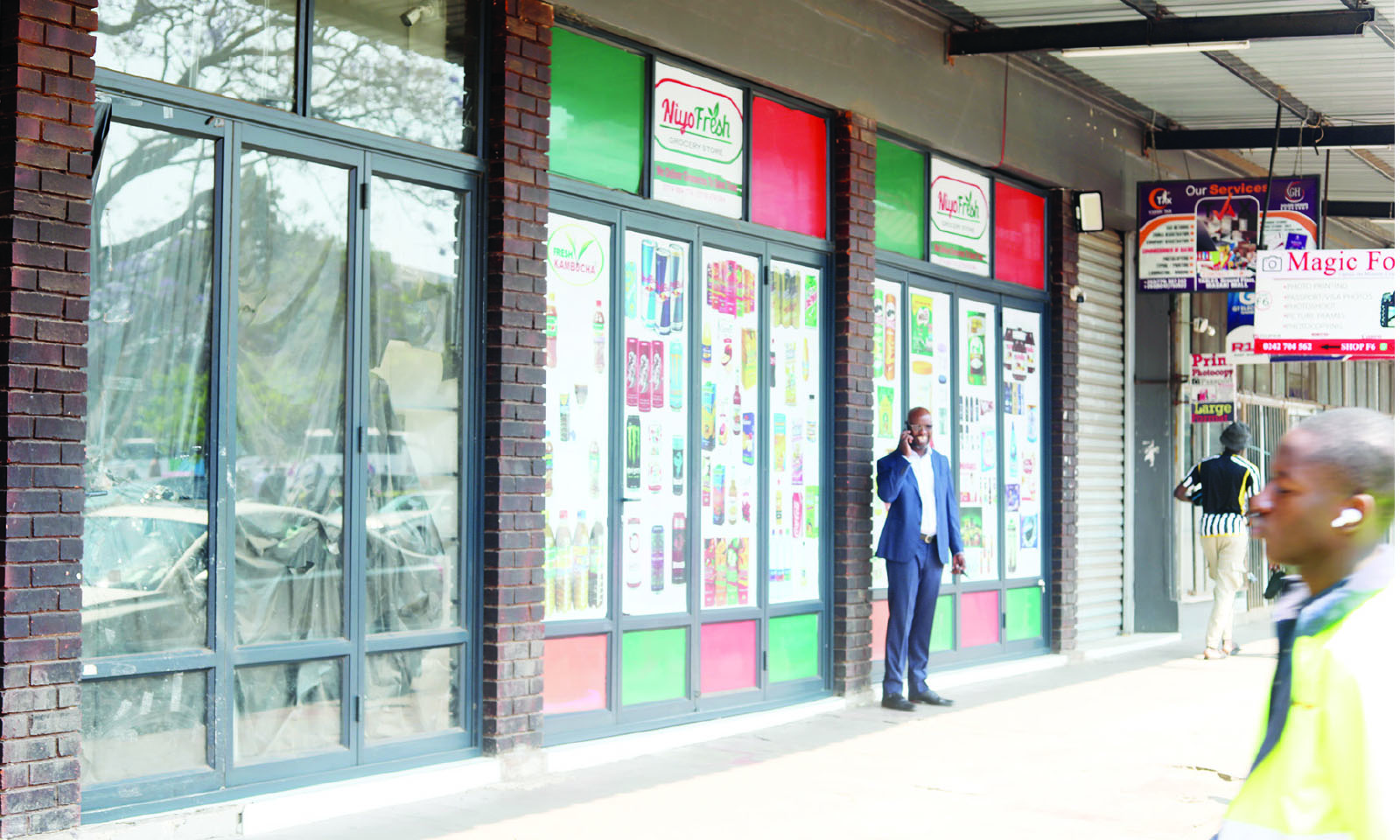
Officials insist the campaign is about protecting lives and restoring order in a commercial landscape sliding into chaos.
Harare Mayor Jacob Mafume defended the tough stance.
“We cannot continue to have businesses operating illegally, partitioning buildings without safety approvals or refusing to pay licences and rates,” he said.
“This operation is not meant to destroy livelihoods but to restore order, enforce safety standards and build investor confidence in our city.”
The local authority’s acting head of revenue collection, Alfred Guni, recently revealed that ratepayers owe the council more than ZiG8 billion — a debt choking service delivery.
“The bulk of the arrears come from residential property owners, who owe ZiG5 billion, followed by commercial and industrial operators.
‘‘Government and parastatals also owe significant amounts.
“We urge all stakeholders to settle their debts or risk losing property through court action,” Guni said.
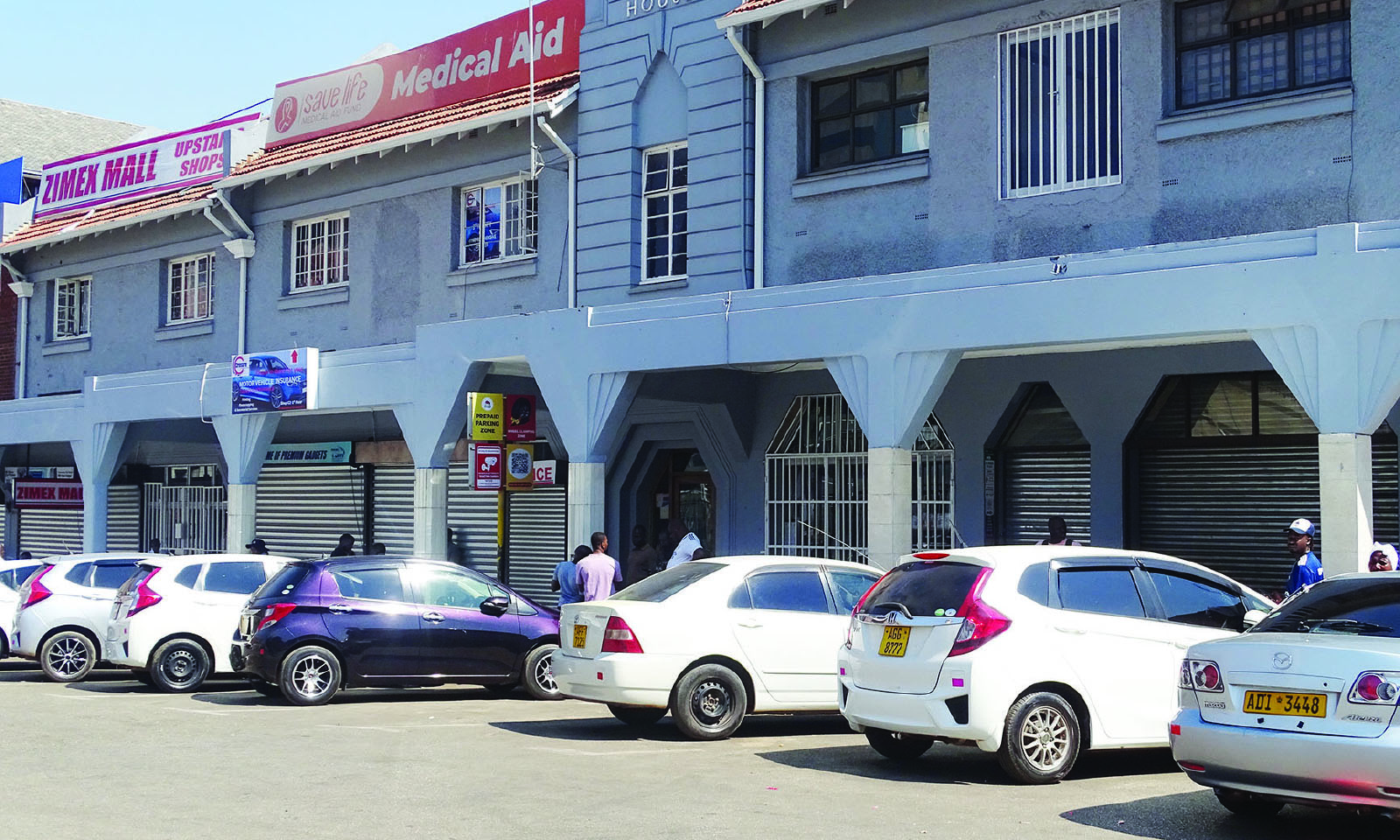
Council officials stress that businesses which regularise operations can reopen, while those that defy orders to close will face further penalties.
Expansion
The operation is no longer confined to the city centre.
Council spokesperson Stanley Gama said inspections are spreading to suburbs such as Eastlea, Milton Park, Belvedere, Belgravia and the Avenues.
The council also emphasised that businesses defying compliance orders will face legal action, in accordance with the law.
“The operation is still ongoing and has intensified. Many residential properties have been converted into commercial use without approval and very few have complied,” Gama said.
Opinion is divided on the council’s ongoing blitz.
“Our suburb had become too noisy. Cars parked everywhere, rubbish piling up. This was supposed to be a residential place, not a market,” said Ruth Moyo, who lives near Fife Avenue.
But Tendai Muzeyo, who runs a small printing business from a converted flat, fears the worst.
“I pay rent every month. Now, I am told my landlord did not get approval to change the use of the building. Why should I suffer for something beyond my control?”
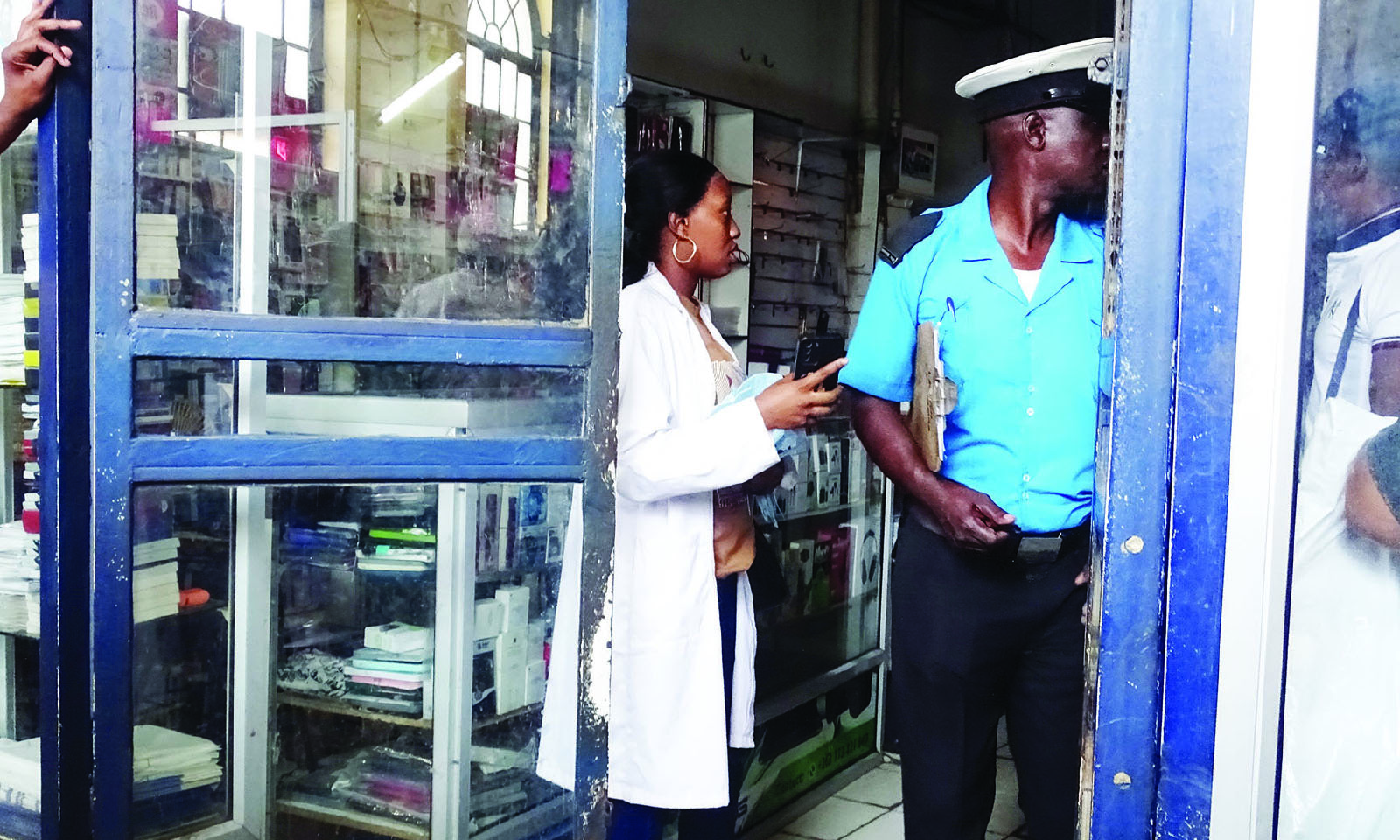
Amid closures and fires, a deeper question lingers: Can residents trust the City of Harare to act fairly?
Harare Residents Trust director Precious Shumba was blunt.
“The City of Harare has once again demonstrated that it acts without putting much thought into its actions,” he said.
“What is most shocking is that they are requesting businesses to produce certificates of occupation for buildings that have operated since the 1960s and 1970s. They should already have these documents.”
He accused the local authority of relying on inaccurate billing systems.
“Businesses should be protected against an arrogant institution that thrives on chaos and hides behind force to assert its legitimacy. They should be professional, efficient and effective — not shutting down businesses on a whim while property taxes remain prohibitive.”
Shumba added that property owners should not be intimidated and must demand accountability.
The council, however, insists reforms are underway and unstoppable.
Officials argue that enforcement is necessary to prevent billions in unpaid rates from crippling service delivery and exposing residents to safety risks from overcrowded buildings.
Ticking time bomb
The Harare blitz exposes deeper urban planning failures.
Many of the buildings consumed by fire or shut down had been illegally partitioned into makeshift shops and offices.
While these conversions provided short-term business opportunities, they ignored safety, electrical and fire regulations.
For years, the council allowed this to happen.
Shumba warned: “These buildings have been operating for decades without proper approvals.
“The city’s failure to plan and enforce safety standards has created preventable disasters.
“Fires and closures are not just bad luck — they are the consequence of ignoring foresight and proper planning.”
Experts agree that proactive planning is far more effective than reactive measures.
Regular inspections, zoning enforcement and purpose-built commercial spaces could have prevented the human and financial toll seen last month.
Lessons
Globally, cities are adopting modern commercial spaces to manage urban growth safely.
In Singapore, Orchard Road integrates shopping malls with leisure, safety and accessibility standards.
Dubai’s Mall of the Emirates combines retail, entertainment and hospitality spaces under regulated, fire-safe environments.
Even Johannesburg’s Sandton City has long provided structured commercial zones for small and large businesses
alike.
Harare, by contrast, has relied heavily on informal adaptations of residential and commercial buildings, often compromising safety and efficiency.
Urban planners argue that adopting a similar model of well-regulated, multifunctional commercial spaces could
help the city reduce fire risks, prevent chaotic partitioning, centralise trade in safer, properly serviced environments, boost investor confidence and align
with the vision of becoming a world-class city.
The lesson is clear: Reactive enforcement alone cannot replace foresight.
Harare must embrace strategic urban planning that anticipates growth, enforces standards and provides traders with safe, compliant spaces.
For small-scale operators, the twin threats of closures and fires have been devastating.
Along Leopold Takawira Street, James Ndlovu, who sold second-hand furniture, stared at charred remains.
“I had just stocked up for the holiday season. Now, it is all gone.”
Others, like Rufaro Manyenga, a young salon owner in Milton Park, feel trapped.
“I want to comply, but the fees are too high. Every day I am shut, I lose money. Every day I open without approval, I risk closure.”
Some, however, see the operation as necessary.
Erina Chigumba, a Belvedere resident, said: “Yes, people are hurting, but we need order. Fires show the danger of cutting corners.”
Towards a safer city
Mayor Mafume acknowledges the pain but insists the city must push forward.
“We sympathise with traders who have lost goods, whether to closures or fire. But our mandate is to build a safe, orderly city where businesses operate legally and residents live in dignity.
“Compliance is the only way forward,” said Mayor Mafume.
The council, he added, encourages businesses struggling with compliance costs to arrange payment plans.
The operation, initially expected to end in September, will continue until full compliance is achieved.
For Harare’s entrepreneurs, survival now depends on navigating both enforcement and risk. Some are pooling resources to reopen in compliant spaces, while others are exploring insurance for the first time.
As the sun sets over the city, rows of closed shutters reflect the uncertainty of a capital in transition.
Yet amid hardship, a quiet resilience endures.
Traders swap stories of loss, share tips on regularising papers and cling to hope that tomorrow brings not just survival, but a safer, more sustainable business environment.