Online Reporter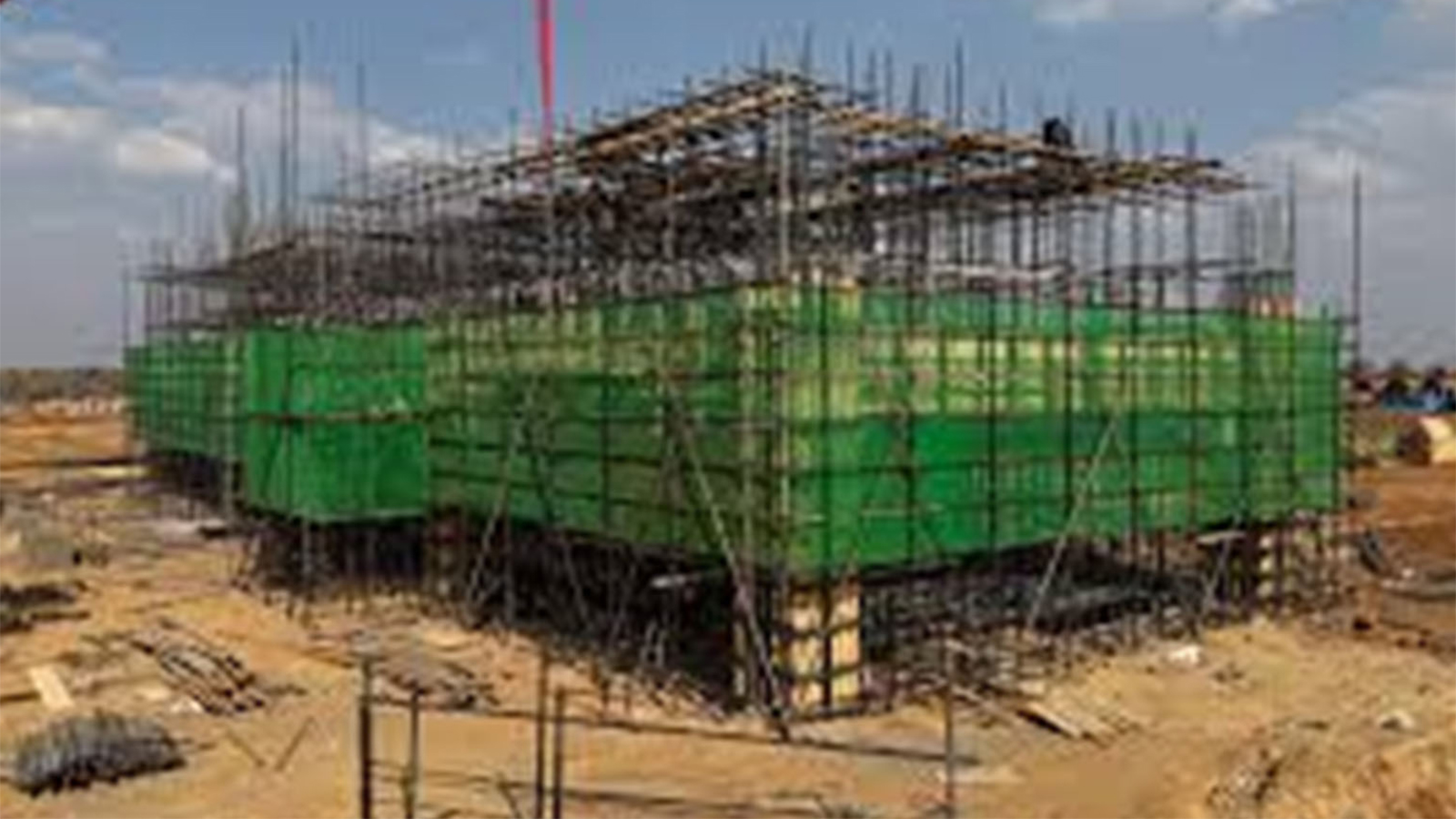
Conrad Mupesa
Mashonaland West Bureau
Chinese-owned cement manufacturer Shuntai Investments will establish a 50-megawatt (MW) thermal power plant at its US$100 million cement manufacturing project in Chegutu, a move aimed at securing reliable electricity for its operations while supplying excess power to the national grid.
The investment underscores growing private sector participation in power generation as Zimbabwe seeks to strengthen energy security, support industrialisation and ease pressure on the national electricity network.
Shuntai Investments administrator Mr Jack Zhang said the company was investing in its own power generation infrastructure to ensure uninterrupted operations once the cement plant becomes operational.
“We want to be self-sufficient in our operations. We are also setting up a 50-megawatt thermal power plant with the view to feed excess power into the national grid,” he said.
The Chegutu cement plant, which is now more than 90 percent complete, is expected to be commissioned in September after experiencing delays caused by challenges in accessing critical construction materials.
Mr Zhang said the company had completed most of the civil works and was now entering the installation phase.
“We are coming to the final stages. We are expecting to complete all construction works and start operating by September this year. At the moment, all civil works are at around 90 percent, and we are now moving to the installation stage,” he said.
The project had initially been scheduled for completion in May, but disruptions to global supply chains linked to geopolitical tensions in the Middle East delayed the delivery of key materials required to finalise construction.
During an inspection tour of the project last week, Mashonaland West Minister of State for Provincial Affairs and Devolution Marian Chombo said Government was closely monitoring progress on strategic investments in the province.
“As Government, we are following up on all high-impact projects in the province, assessing progress made, challenges being faced, and also looking for more opportunities. We were supposed to have commissioned this particular project in May, but due to conflicts in the Middle East, they could not access the much-needed materials for completion,” she said.
Once operational, the plant is expected to produce about 800 000 tonnes of cement annually, significantly increasing domestic production capacity while creating employment opportunities.
The facility will become the third cement manufacturing plant in Mashonaland West Province after Whi-Zim in Majunje and Zimbabwe Huaxin Industry in Mt Hampden.
The project also adds to a growing number of private sector energy investments across Zimbabwe, where companies are increasingly developing captive power projects to secure reliable electricity supplies while contributing surplus power to the national grid.
Mining giant Zimplats has invested heavily in solar power generation at its Mhondoro-Ngezi operations as part of efforts to reduce dependence on grid electricity.
Other mining companies, particularly in the platinum and gold sectors, have also turned to renewable energy projects to support production.
Independent power producers have similarly expanded investments in solar energy projects across the country, complementing Government efforts to increase electricity generation through initiatives such as the Hwange Power Station expansion project.
Growing investment in thermal, solar and other alternative energy sources is expected to strengthen Zimbabwe’s energy security, support industrial growth and help drive the country’s broader economic development agenda.