Online Reporter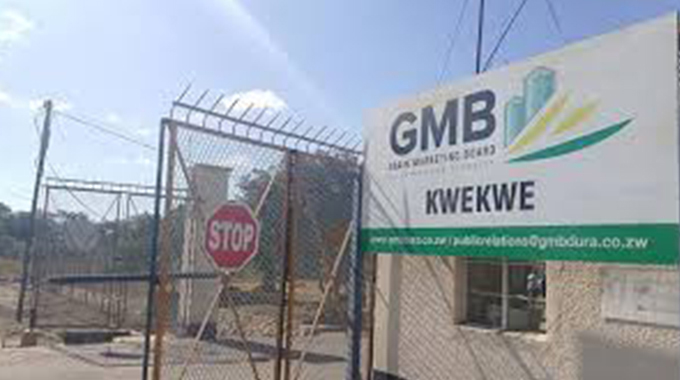
Ray Bande in Mutare
Statutory Instrument (SI) 87 of 2025 does not apply to the production and sale of wheat, and therefore cannot be used to justify any increase in the price of bread, Government and major milling industry stakeholders have said.
Authorities confirmed the statutory instrument is primarily designed to protect local farmers by ensuring they have guaranteed buyers — off-takers — for their grain produce, specifically excluding wheat from its provisions.
The measure aims to secure markets for local agricultural output while maintaining stability in the prices of essential food commodities.
In an interview on the sidelines of the ongoing official commissioning of AI-powered smart silos at GMB Mutare yesterday, Permanent Secretary in the Ministry of Lands, Agriculture, Water, Fisheries and Rural Development Professor Obert Jiri said there is no justification for any bread price increases since wheat is not affected by the recent statutory instrument.
“SI 87 of 2025 is allowing the importation of grains by agro-processors, millers and stock feed manufacturers, so it essentially allows importation of that.
“But, also, we are in the same vein, trying to protect our local farmers so that they have off-takers who can get their grain when they produce. It also emphasises that these millers and stock feed manufacturers support the local industry and local farmers.
“It now makes it legal for these millers and agro-processors to contract farmers to produce at least 40 percent of their raw material requirement. So, this is what essentially the law is addressing.
“The Minister of Lands, Agriculture, Fisheries, Water and Rural Development, from time to time, will issue, through the AMA Act, guidelines on how the SI unrolls.
“So, currently, the SI is affecting maize importation, where the Minister has guided that the agro-processors will pay US$10 per metric tonne on application for the import.
“The rest of the money that is within the parity would then be utilised by the agro-processor or a stock-field manufacturer to invest in production of at least 40 percent production that they must do of their raw materials.
“So that is essentially what this SI does. Yes, there have not been any changes on wheat, which is still being imported free of charge, on soya beans, and other grains. So, at the moment, it’s really affecting the maize importers. But as you know, maize is still out there.
“Our farmers have harvested enough, and we still see very good prices in terms of maize grain on the local market, and also of maize meal in our shops. There is no justification for any bread or flour price hike because the Minister has not issued anything in terms of wheat grain importation,” said Professor Jiri.
In a separate interview, prominent Mutare flour milling company Mega Market Managing Director Mr Shiraan Ahmed weighed in, saying prices of bread and flour will remain stable and the millers will continue engaging the Government to ensure continued stability of prices.
“I have read in a press statement by AMA (Agricultural Marketing Authority) clarifying the modalities of SI 87 that came out this morning. I think the press statement is very clear that the $10 per tonne only applies to maize and it does not apply to any wheat imports. I think after the clarity, the ambiguity is no longer there and I am confident that the prices will remain stable for both flour and bread.
“I am sure millers will continue engaging the Ministry to ensure the bread remains at $1 and there is no price increment in the market. On Maize, there is a $10 levy, but I think the world markets have also come down by a similar amount. So, I don’t anticipate any price increase in mealie-meal as well, given the clarity that’s come out from the AMA statement,” he said.
In a statement, AMA clarifies the SI and the importation fee mechanism.
“SI 87 of 2025 was promulgated on the 5th of September 2025 to establish a transparent, structured mechanism for the importation of grains, oilseeds and their by-products. The instrument seeks to promote value chain financing by ensuring contractors secure a significant portion of raw materials locally; encourage investment in local agricultural production; prevent opportunistic importation that undermines domestic farmers and distorts market signals and enable limited and targeted importation of raw materials to address production gaps AMA derives its regulatory authority from the Agricultural Marketing Authority Act (Chapter 18:24). Part V of the Act empowers the Authority to impose levies on agricultural produce, including imports, for the development, orderly marketing, and regulation of agricultural products,” read the statement.