Moffat Mungazi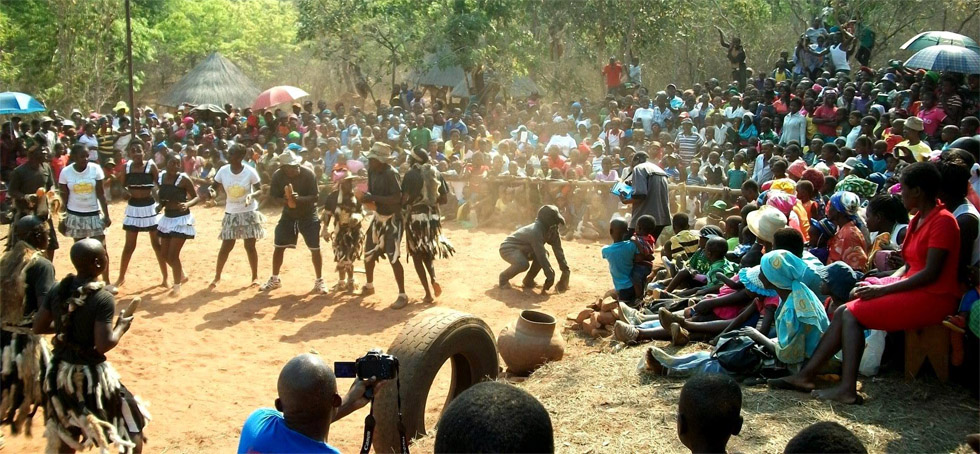
Rodgers Irimayi
Cultural Perspectives
HAVING mentioned the importance of safeguarding and maintaining artifacts from our historical background in my previous presentation, it is imperative to highlight the fact that even colonial artifacts have to be preserved as they provide insights and an understanding of Zimbabwe’s colonial history.
The pre-colonial, colonial, and post-colonial eras are characterised by distinct artifacts that reflect the social, political, and cultural life of the people during those periods.
Pre-colonial artifacts
Pre-colonial artifacts are the medieval city’s stone structures, walls, and artifacts, such as the Zimbabwe bird statue and other such structures in our communities which are yet to be recorded and recognised for tourism purposes.
There are artifacts such as the Matobo Hills rock art where ancient rock paintings and engravings depict hunting scenes, animals, and human figures.
These works are also found at Great Zimbabwe Monuments and Khami Ruins where there are ancient stone walls, pottery, and other artifacts.
Colonial heritage artifacts
There are many missionary and colonial architecture in the form of churches and schools established during the colonial era. T
hese include early colonial missionary establishments such as St Augustine’s Mission, St Faith’s Mission, Old Mutare Mission, Triashill, Mt Selinda, Nyazura Mission, and many structures such as the Anglican Church of St Mary built in the early 20th century reflect European architectural styles, often using locally sourced materials.
Mutare Museum, originally built as a post office, is housed in a colonial-era building, and it houses displays on the history, culture, and natural heritage of Manicaland.
There is also the Railway Station which was also established during the early 20th century.
It is an important colonial structure that facilitated trade and transportation.
Another existing structure is Chimanimani Hotel which in the Chimanimani Ranges, and was originally established in the early 1900s as a rest stop for white travellers.
The Christmas Pass, near Mutare, is a mountain pass that serves as a scenic route through the Eastern Highlands.
The place is named after the time of the year it was completed in 1935, that was around Christmas time.
It is famous for its impressive views of the mountainous environs and undulating geological formations.
It is depicted by a road that winds through a captivating landscape that is defined by luxuriant vegetation, rolling hills, and colourful fauna.
The beauty has made it a popular spot for photography and sightseeing.
The pass has a historical significance, having been used as passage for transportation and trade from the Eastern Highlands of the country during the colonial era.
Other important heritage things that ought to be taken note of are the colonial coins and banknotes which portray the currency used during colonial times.
These are displayed in the museums for accessibility to learners.
They carry the significance of the economic systems and trade practices that were introduced and used by colonial powers.
In the area of photography and visual culture, there are colonial pictorial displays which show images taken during colonial times that document the lives and landscapes of Zimbabwe, capturing both indigenous peoples and colonial settlers.
These can be found in museums, National Art Gallery and at the National Achieves.
Literature and publications such as pamphlets, books, and newspapers which promoted both the colonial agenda and indigenous resistance, contributing to the literary heritage have been reserved in libraries such as The Manica Post, The Herald, New Ziana, Mutare City Council’s Turner Memorial Library, and records at the National Archives for easy access.
Colonial artifacts also include Cecil Rhodes’ papers and historical documents related to the British colonialist.
There are likewise liberation war artifacts that relate to Zimbabwe’s struggle for independence, such as uniforms, guns, and photographs.
It should be noted that there are many liberation war veterans who are still alive, and can be a source of narration for the war and the struggle for the country’s independence.
If these are recorded, they can be rich and reference documents for future generations.
There are also decorative art works such as furniture and household items that reflect colonial lifestyle, including European-style furniture, ceramics, and glassware that were introduced during the colonial period.
These can be found in old hotels established in the colonial periods.
Post-colonial artifacts
These relate to Zimbabwean art that showcase contemporary paintings, sculptures, and installations that reflect the country’s modern culture and identity.
Contemporary artworks such as works from artist and current sculptors create works that reflect Zimbabwe’s complex culture, often addressing themes of colonisation, land, and identity.
There are literary works such as post-colonial literature like novels, poetry, and essays by authors such as Mordecai Hamutyinei, Dambudzo Marechera, Charles Mungoshi and Tsitsi Dangarembga that explore subjects of identity, nationalism, and the effects of colonial legacy.
National symbols such as flags and emblems represent the national pride and identity which provide a reflection of the values and aspirations of the nation post-independence era.
There are also cultural festivals and performances which include traditional music and dance such as Harare Festival of the Arts, Chibuku Road to Fame, Ndau Festival, Matendera and many others at local, national and international levels.
These festivals are related to performing instruments like the mbira (thumb piano) and traditional costumes used in dance performances.
Documentary films and productions that explore Zimbabwe’s history, culture, and social issues serve to educate and inform both local and global audiences.
The artifacts from the pre-colonial, colonial, and post-colonial periods provide a rich tapestry of Zimbabwe’s heritage as they reflect not only the daily lives, beliefs, and artistic expressions of the people but also the broader historical contexts that shaped the nation.
They also underscore the continuity and cultural dynamics, offering valuable insights into both the historical struggles and achievements.
There is need to ensure the country’s history is preserved for the benefit of the future generations.
Rodgers Irimayi is the Ministry of Information, Publicity and Broadcasting Services Masvingo Provincial Information Officer. He writes in his personal capacity and can be contacted on +263778246098 or [email protected].



 Online Reporter