
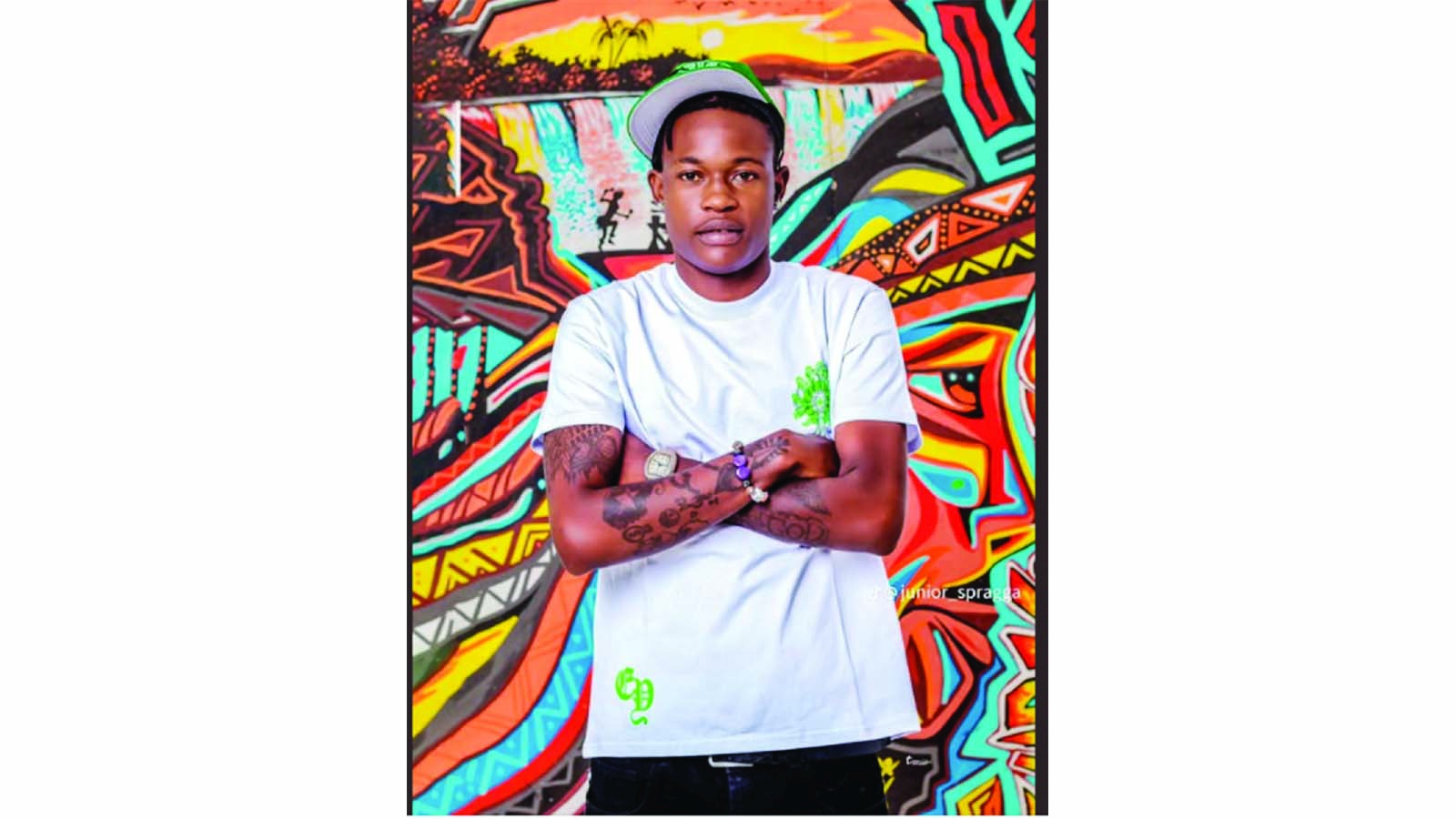
Langalihle Mhiti
Simbarashe Mpofu has challenged Zimbabwean music fans to move away from artist-centred rivalries and focus on appreciating music, warning that growing hostility among fan bases could undermine the development of the local industry.
Mpofu, a digital creator, Pan-Africanist and social commentator, made the remarks following discussions surrounding Jnr Spragga’s latest release, Dinga, which has sparked comparisons with other musicians’ songs, including the popular Hulengende tracks.
Mpofu said he was concerned that conversations were shifting from musical quality to debates about which musician had outperformed the other.
“What concerns me is that the conversation is slowly shifting away from the quality of music and the enjoyment it brings. People are now more interested in establishing who has beaten who, who is better than who, and whose favourite artist has won the imaginary competition,” he said.
He argued that some listeners were allowing their loyalty to particular musicians to influence their judgment, resulting in songs being dismissed before they were given a fair hearing.
Mpofu described the behaviour as musical tribalism, saying it was doing more harm than good to an industry that needs constructive criticism and appreciation to grow.
He urged fans to understand that supporting one musician should not mean discrediting another.
“You can enjoy Dinga without diminishing Nhepfu-Tepfu. You can appreciate Hulengende without having to discredit Jnr Spragga,” he said.
According to Mpofu, turning music into a battlefield of personalities discourages creativity, suffocates emerging talent and damages the industry that fans claim to support.
He encouraged listeners to focus on analysing lyrics, appreciating production and offering constructive criticism rather than allowing personal loyalties to dictate their musical preferences.
However, Mpofu clarified that he was not against comparisons between musicians, arguing that healthy competition was necessary for the growth of Zimbabwean music.
He believes comparisons can challenge artists to improve their craft, experiment with different sounds and raise their musical standards.
“I appreciate comparisons and competition when they are healthy. In fact, I believe they are necessary in our music industry. Healthy comparisons challenge artists to push harder, improve their craft and continuously work towards perfecting their musical abilities,” he said.
He added that every musician had a unique identity, with differences in musical styles, sounds and lyrical abilities that should be celebrated rather than used as reasons to attack one another.
Mpofu warned that competition becomes counterproductive when fans refuse to acknowledge good music simply because it comes from an artist they do not support.
Interestingly, he revealed that his contribution was not motivated by loyalty to either of the musicians at the centre of the discussions.
“And, for the record, I don’t listen to either of the two musicians. My concern is bigger than individual artists. It is about the culture we are creating around Zimbabwean music,” he said.
He maintained that the industry needed listeners who appreciate talent and allow competition to inspire excellence rather than hatred.
“Support the music. Appreciate the talent. Let the quality speak. Zimbabwean music must win, not individual fan bases,” he said.