Online Reporter
Robin Muchetu in Umzingwane
ZIMBABWE’S health sector received a significant boost this week with the launch of a new Human Papillomavirus (HPV) single-dose vaccine, a transformative development aimed at drastically reducing the burden of cervical cancer.
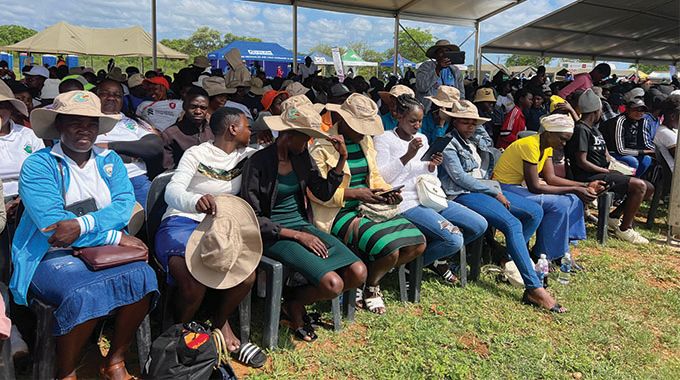
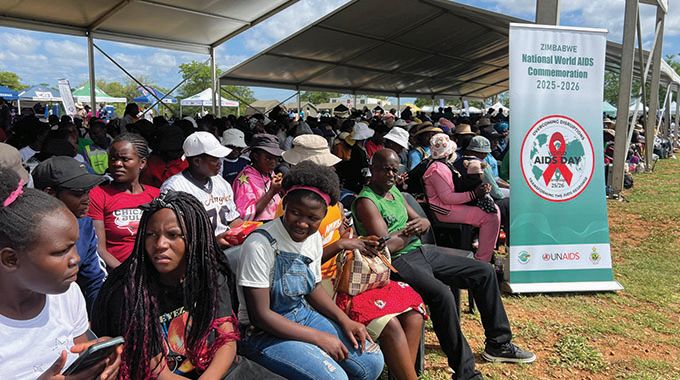
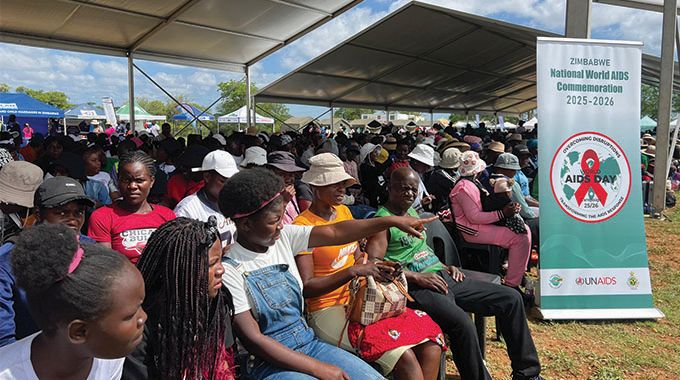
The vaccine, which offers lifetime protection against the virus — the leading cause of cancer-related deaths among women in the country — was rolled out in Matabeleland South Province on Monday, coinciding with World Aids Day commemorations.
Health and Child Care Minister, Dr Douglas Mombeshora, confirmed the new single-dose regimen offers better protection, targeting young girls before they become sexually active to prevent infection with the common sexually transmitted virus. The move addresses a critical public health challenge, as the National Cancer Registry has consistently shown cervical cancer to be the number one cancer killer of women in Zimbabwe.
“It has been proved beyond doubt that HPV causes cervical cancer — it is the primary cause of cervical cancer. There are about four or five virus types that cause the disease. When the vaccine was initially developed, it was recommended that two doses be administered to achieve effective control. This meant every child aged between 10 and 15 would receive two doses. But research has since shown that with slight modification, one dose provides sufficient protection,” said the minister.
He said that Zimbabwe is moving from two doses to one due to compliance challenges.
“We had issues of compliance — some would get one dose and never return for the second, meaning they were lost before completing the schedule. So, this is a major advantage. Anyone who receives one dose is now protected. There is no need to worry about follow-up. Another benefit is cost — we used to pay for two doses, now we pay for one at the same price. It’s a significant saving for the country,” said Dr Mombeshora.
Dr Mombeshora said another critical advantage of the single-dose HPV vaccine is that it enables wider coverage. He noted that the vaccination has been integrated into routine immunisation programmes across the country.
“We used to conduct school visits, but now people can access the vaccine wherever routine vaccinations are taking place. We have started administering the vaccines — it’s a continuous process. All children who reach 10 years old qualify for vaccination, and there are no fixed targets. Initially, we had targets and achieved over 80 percent coverage. Now, we are moving with routine immunisation,” he said.
The minister said uptake during the initial two-dose campaign was good and is expected to improve further with wider accessibility at all routine vaccination points. However, he acknowledged challenges with a few objectors, such as certain religious sects, who refused the HPV vaccine or any other vaccines recommended by the Ministry of Health.
“We hope with time they will be covered,” he said.
Dr Mombeshora highlighted that through collaborations with Unicef, the HPV vaccine is now more accessible, integrated into routine immunisation, and supported by community mobilisation.
“Women with HIV are six times more likely to develop cervical cancer, so protecting our girls today safeguards tomorrow’s mothers, leaders and innovators,” he said.
Unicef Representative Etona Ekole described the launch as a milestone.
“We are pleased to have introduced the HPV single-dose strategy.
“The likelihood of drop-outs is now significantly reduced. It’s a major breakthrough, and we are proud to have mobilised resources to support the Government in rolling out this initiative. It will make a huge difference to the lives of young girls in Zimbabwe — prolonging their lives and reducing the risk of cervical cancer,” she said.
Dr Bernard Madzima, Chief Executive Officer of the National Aids Council, said the HPV single-dose initiative is critical to ensuring Zimbabwe does not lose girls to cervical cancer later in life.–@NyembeziMu