Online Reporter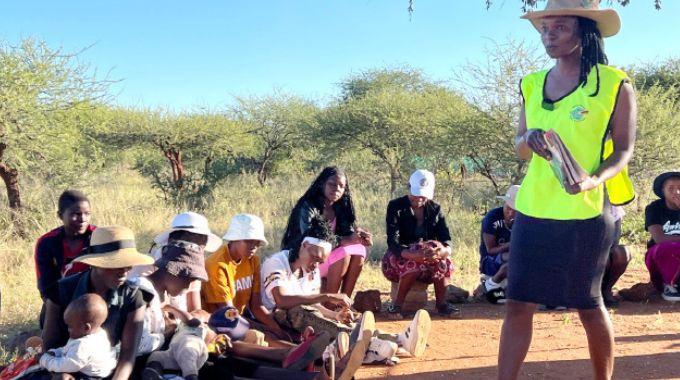
Thupeyo Muleya
Beitbridge Bureau
A NATIONAL Aids Council (NAC) programme is transforming the lives of young women in Insiza District by restoring dignity and keeping girls in school through access to sanitary wear and life skills training.
The Sista2Sista programme targets girls aged between 16 and 24 years and focuses on health, education and empowerment.
In Insiza, the initiative has created a safe space where young women can talk openly about menstrual health, HIV prevention and personal development.
For many years, vulnerable girls in the district struggled during menstruation. Some used cow dung or tree leaves, while others missed classes because they had no sanitary pads.
The situation affected their confidence and school attendance. Through the Sista2Sista, girls in Insiza have access to both disposable and reusable sanitary pads.
The programme also teaches them how to manage their health and make informed decisions about their future.
Insiza Acting District Development Coordinator Ms Siceco Gwayi said the impact of the project was being felt across all wards.
“The impact of this project is being felt across the wards, and we are seeing growing community support for the programme,” she said.
She added that more parents and traditional leaders were now coming forward to support the initiative.
“More parents and leaders are now involved in supporting girls to stay in school and complete their education,” she said.
Insiza District AIDS Coordinator [DAC] Mr Mpilo Maboyi said the district produces 800 graduates from the programme every year from 16 wards, and that 1 600 girls have benefited so far.
“We are producing 800 graduates annually from the 16 wards, and to date we have produced 1 600 girls through Sista2Sista,” he said.
“We have trained 16 mentors who are each handling two groups of 25 girls to ensure that the programme reaches more young women effectively.”
Traditional leader from Denje area Mr Stanley Ndlovu said the programme had changed attitudes in the community towards young girls and towards HIV and AIDS issues.
“This programme has changed the attitude of the community towards young girls and towards HIV and AIDS programmes,” he said.
He added that restoring dignity to girls had also improved how families treated them.
“When we restore the dignity of our girls, we also restore respect for them in families and in the community,” he said.
A mentor, Miss Siphathekile Ncube from Denje Village, said the demand for sanitary pads continued to grow.
“We are giving sanitary pads to at least 50 girls every month in this area. More girls still want to join the programme because they have seen the benefits and the support it gives them,” she said.