admin
admin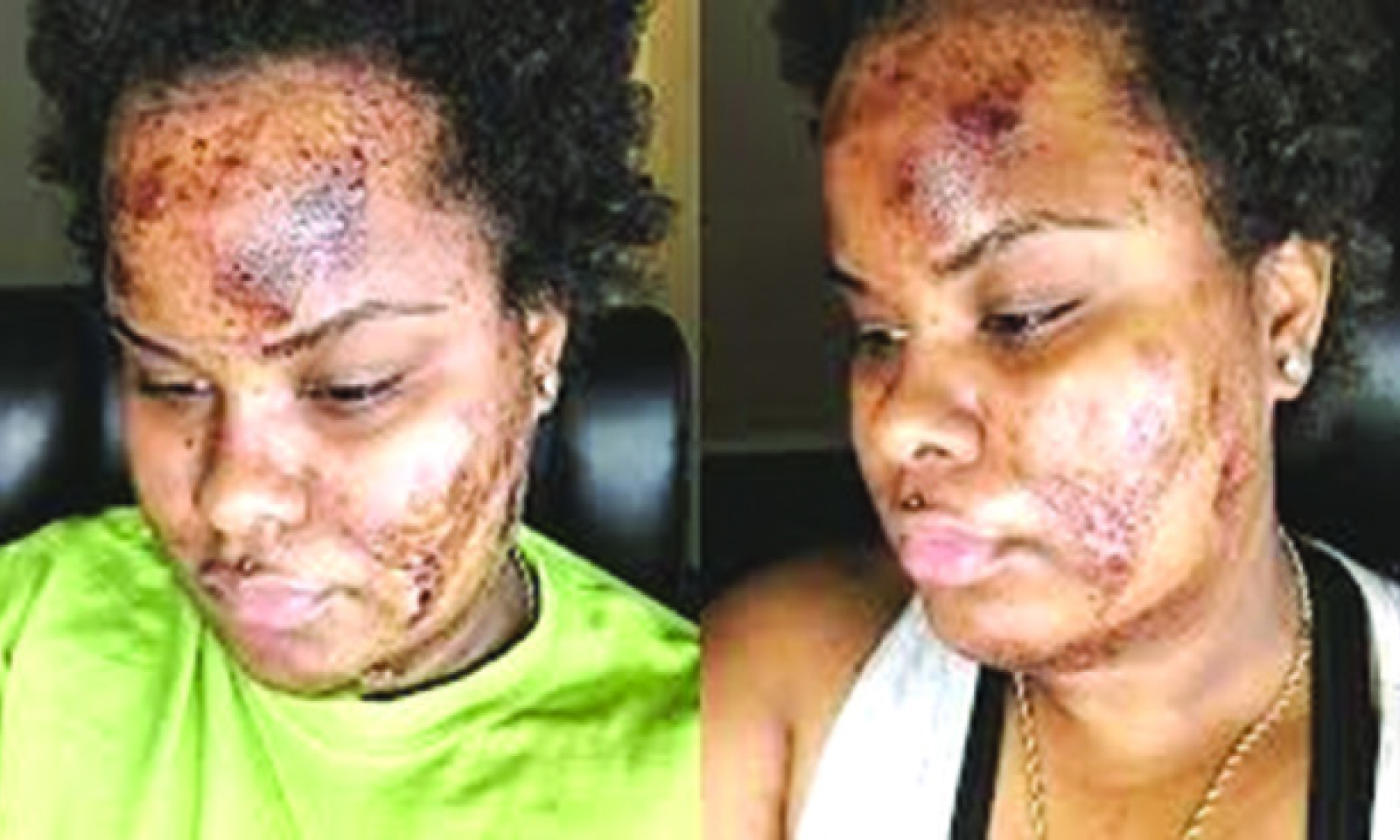
Rumbidzayi Zinyuke
Senior Health Reporter
Skin bleaching continues to be an escalating public health crisis in Zimbabwe and across Africa, with new findings from the World Health Organisation (WHO) revealing that around 25 to 80 percent of women in African countries regularly use skin lightening products.
In Zimbabwe, 31,15 percent of women use skin-lightening products despite strict regulations against harmful ingredients like hydroquinone, corticosteroids and mercury that are found in the creams.
According to a Regional Fact Sheet on skin bleaching in Africa compiled by the Africa Health Observatory under the WHO, the highest prevalence of bleaching was recorded in Nigeria, where a staggering 77 percent of women use skin lighting products.
Other African nations high on the users list include Congo-Brazzaville, where 66 percent of women use skin lightening products followed by Senegal (50 percent), Ghana (39 percent), 32 percent in South Africa and 25 percent in Mali.
Skin-bleaching, also known as skin lightening, skin toning, or skin whitening, is a global cosmetic practice to achieve a lighter skin tone.
It is often driven by cosmetic desires rooted in deep historical, economic, socio-cultural, and psychosocial factors. It involves the use of topical products containing corticosteroids, hydroquinone, mercury, or other agents to lighten the skin.
The use of potentially harmful agents such as mercury, is common in Africa and Asia.
The WHO attributes the continued use of skin lightening products to deep-seated cultural and psychological factors, where lighter skin is often associated with beauty, social mobility and economic opportunities.
“Understanding the potential risks associated with skin-bleaching doesn’t stop people from engaging in this behaviour, as their current psychological motivation outweighs the perceived risks.
“The motivations behind skin-bleaching are diverse, with respondents expressing a desire to appear important, look attractive, enjoy their lighter skin, and follow fashion trends.
“These motives underline the deep psychological roots of skin-bleaching, suggesting that it serves to cope with psychological needs and desires,” said the report.
The WHO noted that among the women who underwent skin bleaching, approximately 49,38 percent said they did it to get smooth and healthy skin.
Around 30,86 percent cited the desire to look beautiful while 20 percent reported seeking social benefits, including improved marriage prospects and better job opportunities.
Data also showed that people aged 30 years and under had the highest prevalence of skin bleaching at 55,9 percent followed by those aged 31-49 years at 25,9 percent.
Surprisingly, the majority of skin lightening product users (61.7 percent) were unsure about the active ingredients in their products.
Although many African governments, including Zimbabwe, have banned the sale of harmful bleaching agents, the products remain widely available through informal markets, street vendors, and online platforms.
The Medicines Control Authority of Zimbabwe has in the past issued warnings over the use of skin whitening products, most of which are neither tested nor approved.
Some of the products being used in the country include oral and injectable glutathione and injectable vitamins.
Over the years, cosmetic shops selling some products that range from creams, bath soaps, shower gels and ointments have sprouted across the country.
A study conducted by the 2018 Zero Mercury Working Group in collaboration with the Biodiversity Research Institute, examined over 300 skin lightening products from 22 different countries.
The findings showed that roughly 10 percent of these creams surpassed the authorised limit for mercury content.
Alarmingly, some of these products contained levels of mercury that were up to 100 times higher than the authorised amount
Skin bleaching is associated with several adverse health effects such as dermatitis, steroid acne, discolouration, changes in skin thickness, inflammatory disorders, and conditions such as mercury poisoning, nephrotic syndrome and exogenous ochronosis.
A history of long-term use of skin lightening products is found in patients with some skin cancers such as squamous cell carcinoma.
People with bleached skin also have slower wound healing due to thinner skin layers, delayed skin regrowth, reduced tissue support and impaired tissue formation.
Skin whitening products also reduce the presence of melanin (a pigment responsible for skin colour), protecting the skin from UV light.
When melanin levels decrease due to bleaching, the skin becomes more vulnerable to harmful UV light putting them at greater risk of sun damage and possible conditions such as melanoma.
The WHO has declared skin bleaching a global public health concern and has urged governments to implement stronger regulations to eliminate hazardous substances from cosmetic products.
Under the Minamata Convention on Mercury, a global treaty signed by 128 countries, which mandates that countries prohibit the production, import, and sale of cosmetics containing dangerous levels of mercury, governments are expected to take more decisive action.
Some nations, including Gabon, Jamaica, and Sri Lanka, have already launched initiatives to eliminate mercury from skin-lightening products and promote the beauty of all skin tones, with a combined investment of $14 million to combat the problem.



 Online Reporter