By Robin Muchetu
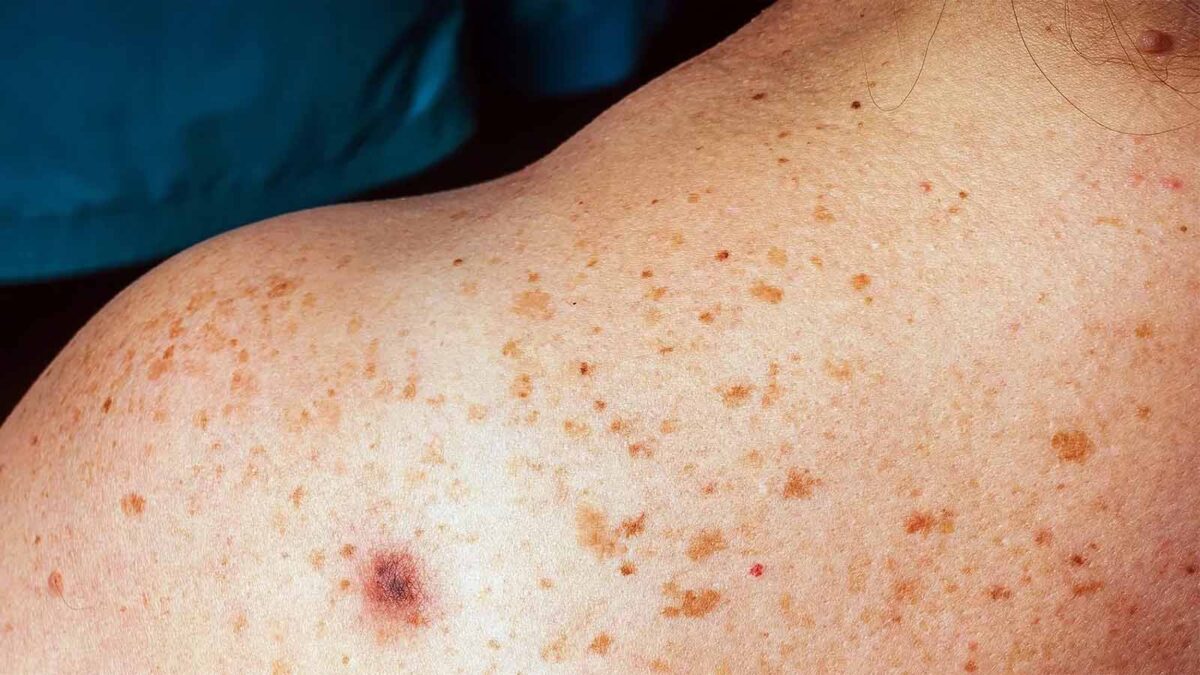
AN average of three people living with albinism die from skin cancer every month in Zimbabwe, amid growing concerns over soaring skin care costs, delayed treatment and poor access to specialist health services.
The statistic was shared by Noble Hands Zimbabwe executive director Willard Musiyarira, who warned that climate change and prolonged exposure to the sun were worsening the crisis facing people with albinism.
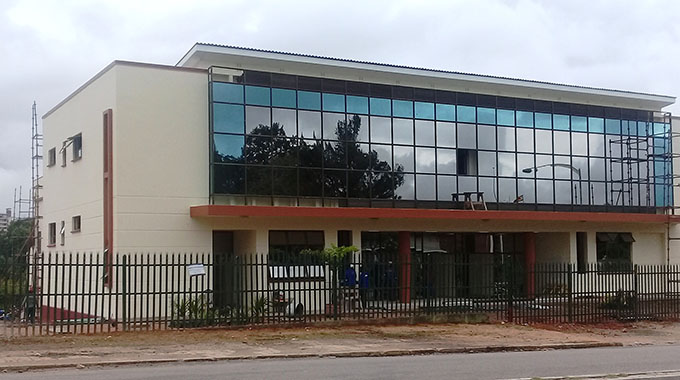
Speaking during an ophthalmology and dermatology surgical outreach programme at United Bulawayo Hospitals (UBH), Musiyarira said most deaths could be prevented if skin cancer cases were detected and treated early.
“On average, three people with albinism die from skin cancer every month in Zimbabwe,” he said.
“The major problem is that these cancers are referred late for treatment.”
Musiyarira said many people living with albinism in rural areas fail to access specialist care because of poverty, long distances and lack of information about the dangers posed by excessive exposure to the sun.
He said many survive on subsistence farming, artisanal mining and other informal jobs, making essential skin care products unaffordable.
The situation is made worse by the staggering cost of sunscreen, a lifeline for people living with albinism.
A single tube costs between US$15 and US$32, while an adult needs up to four bottles every month. Add lip balm and other protective products, and the monthly skin care bill can reach between US$65 and US$80.
For many families earning around US$200 a month, that cost is simply out of reach.
“People have rent, food, transport and school expenses to pay. Skin care becomes difficult to prioritise even though it is critical for survival,” said Musiyarira.
The result is that many develop suspicious skin lesions but delay seeking medical help until it is too late.
Musiyarira also revealed that some patients are trapped in a cycle of delayed diagnosis, with local clinics sometimes treating skin lesions with medication when specialist surgery is urgently needed.
By the time they are referred, some cancers would have spread or advanced to dangerous stages, limiting treatment options.
He said limited knowledge about albinism among frontline health workers in remote areas was also contributing to delayed referrals.
“There is a need to train health workers so they can recognise skin cancer signs early and refer patients quickly,” he said.
Zimbabwe has traditionally struggled with a shortage of dermatologists, a situation that has left many patients without specialist care.
However, Musiyarira welcomed efforts by the Government to strengthen dermatology services, saying the country now has five dermatologists and a dedicated dermatology department at UBH.
He expressed hope that improved specialist services would help reduce deaths from skin cancer among people with albinism.
In a bid to save lives, Noble Hands Zimbabwe has expanded its programmes beyond distributing sunscreen lotions, focusing instead on educating communities and training health workers to identify danger signs early.
The organisation is also working to improve referral systems between rural clinics and tertiary hospitals to ensure patients receive specialist treatment sooner.
During the UBH outreach programme, people with albinism received free skin cancer screening and eye care services through a partnership involving the Ministry of Health and Child Care, specialist dermatologists, development partners and the Embassy of Switzerland in Zimbabwe.